Shrubs
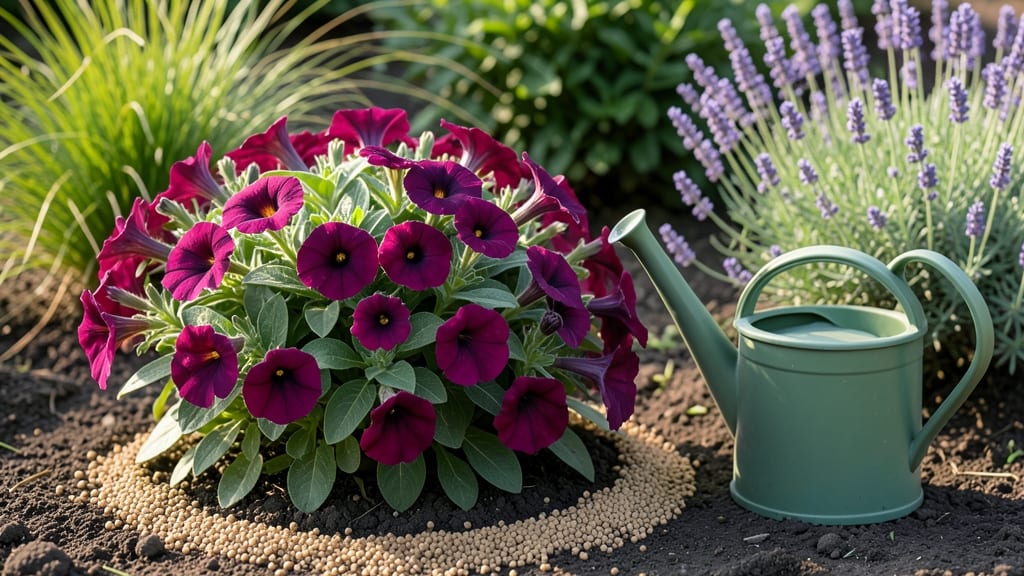
Keeping petunias flowering all season is easier than you think—it just takes deadheading daily and a few simple tricks I’ve perfected after years of growing them in both containers and garden beds.
The moment you let those spent blooms linger, the plant diverts energy into seed production instead of new flowers. That’s why my petunias stay in bloom from May until frost, even in hot summers when others fade.
You’ll need sharp pruners (or just your fingers), a balanced liquid fertilizer every 2 weeks, and at least 6 hours of sunlight daily. Water consistently at the base—never overhead—to prevent mildew and keep roots happy.
For containers, choose trailing varieties like ‘Supertunia’ or ‘Wave’ for that cascading effect, while in-ground types like ‘Mitchell’ stay compact and prolific. The key is consistency: prune, feed, and water at the same time each week.
What you’ll end up with is a nonstop floral display that turns heads at neighborhood gatherings. The blooms stay vibrant, the plants grow bushier with each deadheading, and you’ll harvest cut flowers for weeks if you keep up the routine.
Even in colder climates, a little winter protection (like moving containers indoors) ensures they bounce back stronger in spring.
This works for both beginner gardeners and seasoned pros—just remember: petunias reward patience. If you skip deadheading for a week, don’t panic; they’ll bounce back with a little extra care. The secret isn’t complicated—it’s just showing up consistently. Let’s get those blooms going!
📚 In This Guide
- What you need
- Instructions
- Tips and common mistakes
- Wrapping up and next steps
What you need
- ● Petunias: Healthy, well-established plants (choose grandiflora, multiflora, or wave varieties for best results).
- ● Pruning shears: Sharp, clean pair (avoid dull tools that crush stems).
- ○ Gloves: Lightweight gardening gloves (optional but helpful for messy blooms).
- ● Watering can or hose: With a gentle spray nozzle (petunias love consistent moisture).
- ● Balanced fertilizer: 10-10-10 or 20-20-20 (water-soluble, 1 tbsp per gallon of water).
- ● Compost or organic mulch: 2–3 inches (to retain moisture and feed roots).
- ● Sunlight spot: At least 6–8 hours of full sun daily (partial shade works for cooler climates).
- ● Deadheading scissors: Small, handheld pruners for quick trims.
- ● Slow-release fertilizer spikes: For low-maintenance nutrient boosts.
- ● Shade cloth: 30–50% coverage (if temps exceed 90°F/32°C).
- ● Epsom salt: 1 tbsp dissolved in 1 gallon of water (monthly magnesium boost).
- ● Plant supports (cages/tomato stakes): For trailing varieties like Surfinia.
Step-by-Step guide to sustaining petunia blooms all season
This method transforms petunias from occasional bloomers into continuous flowering powerhouses.
Understand the Deadheading Trigger
Petunias bloom prolifically because they're naturally self-cleaning, but they need a little help. The key is removing spent flowers before they form seed pods. When you see a bloom wilt completely—its petals curled and brown—it's ready for removal. This prevents the plant from diverting energy into seed production, which would halt flowering.
I like to check my petunias daily in the morning. Early removal means less stress on the plant and more energy directed toward new buds. Watch for buds that form below the first set of leaves—these are your next blooms waiting to open. The more you remove, the more the plant compensates by producing replacements.
Deadhead Using the Right Technique
Use clean, sharp pruners or your fingers to pinch off the entire spent bloom stem just above the first set of healthy leaves. This ensures the cut is clean and encourages branching. If you leave too much stem, the plant may regrow the same flower instead of producing new ones.
For trailing petunias, this means reaching into the foliage to find the oldest blooms. I often wear gloves to protect my hands from the sharp edges of the petals. The goal is to remove the entire flower head, including the small seed pod that forms at the base. This pod is the plant's signal to stop flowering and focus on reproduction.
Support with Proper Watering and Feeding
Deadheading alone won't sustain blooms without consistent moisture and nutrients. Petunias need 1 inch of water per week, delivered at the base to avoid wetting the foliage, which can invite disease. In hot climates, water daily in the early morning to prevent afternoon wilting.
Feed your petunias with a balanced, water-soluble fertilizer every 2 weeks during the growing season. I switch to a low-phosphorus, high-potassium formula once flowering begins to encourage more blooms and stronger stems. Always water the soil thoroughly before and after fertilizing to prevent root burn.
Manage Light and Prune for Bushiness
Petunias thrive in full sun (6-8 hours daily) but can handle partial shade in hotter regions. If you notice leggy growth or sparse blooms, the plant may need more light. Rotate containers weekly so all sides receive even exposure, preventing uneven growth.
Prune leggy stems back by one-third to encourage bushier growth and more flowering sites. This is especially important for trailing varieties, which can become top-heavy. Use pruners to make clean cuts just above a leaf node. The plant will respond by branching out and producing more flowers.
Monitor for Pests and Disease
Regular deadheading reduces pest pressure, but aphids and spider mites still target stressed plants. Inspect the undersides of leaves weekly for signs of infestation. A strong spray of water can dislodge aphids, while neem oil applied in the evening controls mites without harming beneficial insects.
Prevent fungal diseases like powdery mildew by ensuring good air circulation. Space plants 12-18 inches apart and avoid overhead watering. If you spot white powder on leaves, treat immediately with a fungicide and improve airflow by pruning crowded stems.
Tips & tricks for nonstop petunia blooms
Here's what nobody tells you about keeping petunias flowering like clockwork all season.
Timing Secret: The morning is your best time to deadhead—petunias are most receptive to pruning when they're cool and hydrated. I've found that removing spent blooms before 10 AM gives the plant the full day to redirect energy into new buds. If you're busy, even evening deadheading works, but morning removal prevents afternoon wilting from heat stress.
Precision Cutting: When pinching off spent blooms in Step 2, aim for a clean cut just above the first set of healthy leaves. This is where new growth will emerge. I use my fingernail to make a slight indent in the stem before cutting—this helps me find the exact spot without guessing. For trailing varieties, I wear thin gardening gloves to protect my hands from the sharp petal edges while still reaching those hidden blooms.
Watering Wisdom: The 1 inch of water per week guideline works for average conditions, but in extreme heat, I increase to daily watering in the morning. Always water at the base and avoid wetting foliage to prevent fungal diseases. I've learned the hard way that afternoon watering leads to wilting before evening, so timing matters just as much as quantity.
Fertilizer Strategy: That 2-week feeding schedule is perfect, but I switch to a high-potassium formula once flowering begins to boost bloom production. The key is applying fertilizer after watering to prevent root burn. I also dilute the fertilizer to half-strength when temperatures exceed 85°F, as concentrated nutrients can stress the plants in heat.
Pro Tips for Keep Petunias Flowering
- Here's what nobody tells you about keeping petunias flowering like clockwork all season.
- Timing Secret: The morning is your best time to deadhead—petunias are most receptive to pruning when they're cool and hydrated.
- Precision Cutting: When pinching off spent blooms in Step 2, aim for a clean cut just above the first set of healthy leaves.
Frequently asked questions
Got questions about keeping your petunias blooming like a pro? Here are some of the most common ones—plus quick, actionable answers to keep those flowers popping all season!
Why do my petunias stop flowering even after deadheading?
Petunias may quit blooming due to overcrowding, poor nutrition, or stress (like heat or drought). Check for yellowing leaves (a sign of nutrient deficiency) and ensure they get 6+ hours of sunlight daily. A balanced fertilizer (like 10-10-10) every 2–3 weeks can revive their energy!
How often should I deadhead petunias for continuous blooms?
Deadhead daily (or at least every other day) during peak bloom season to encourage nonstop flowers. Use clean pruners or pinch spent blooms with your fingers—it takes just 5 minutes per plant! If you’re swamped, aim for 3–4 times a week to still see great results.
Can petunias bloom in partial shade, or do they need full sun?
Petunias prefer full sun (6+ hours), but they’ll still bloom in partial shade (3–4 hours)—just expect fewer flowers. In hot climates, provide afternoon shade to prevent wilting. If your petunias are in shade, boost blooms with phosphorus-rich fertilizer (like 5-10-5) to support flowering.
What’s the best way to revive petunias that look leggy or sparse?
Leggy petunias often need a trim and feed! Prune back 1/3 of the plant to encourage bushier growth, then fertilize with a high-phosphorus formula. Also, ensure they’re in well-draining soil—root rot from soggy conditions can stunt blooms. Pinch back new growth tips to promote compact, flowering stems!
Are there petunia varieties that bloom longer without deadheading?
Yes! Trailing (like ‘Wave’ or ‘Supertunia’) and grandiflora varieties (e.g., ‘Mitchell’) produce self-cleaning blooms, meaning they drop spent flowers naturally. While they still benefit from occasional deadheading, they’re lower-maintenance for continuous color. Look for disease-resistant hybrids too—they’ll bloom longer with less fuss!
Wrapping up and next steps
Keeping your petunias blooming nonstop is totally within reach—just deadhead regularly, give them the right sunlight, water, and soil, and stay on top of pests and diseases. With a little consistency, your garden will burst with vibrant, continuous color all season long! 🌸
Ready to put these tips into action? Grab your pruners and start deadheading today! Your petunias will thank you with a dazzling display of blooms that’ll make your neighbors green with envy. Happy gardening! 🌿