
Propagation
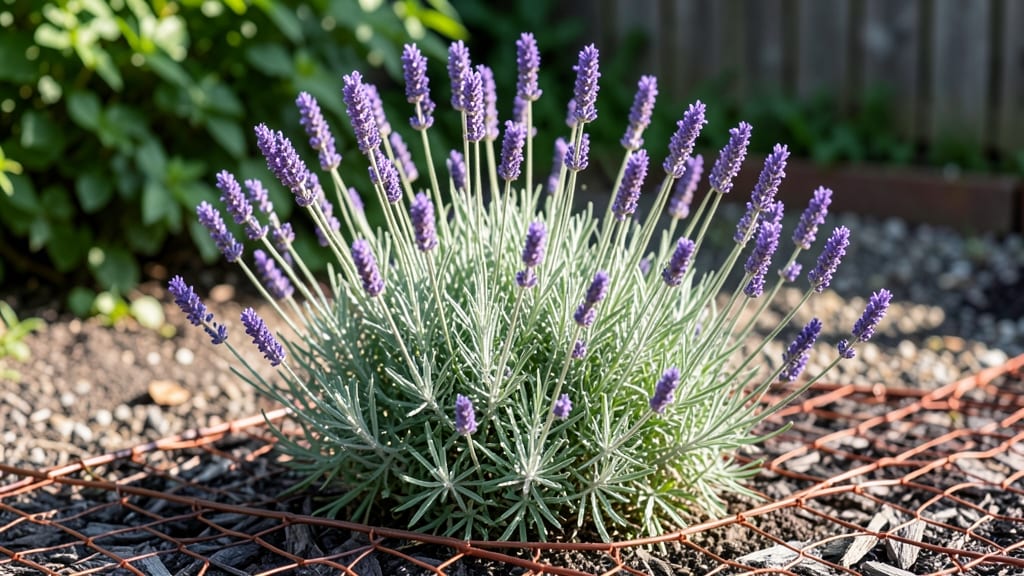
Learning how to keep dogs from digging flower beds saved my once-trampled garden—here’s how Max finally stopped turning my blooms into a sandbox. 🌱 Physical barriers actually work—if you choose the right ones and install them properly.
I’ve tested everything from chicken wire to decorative rocks, and some solutions are far more effective (and humane) than others.
Most dogs dig out of boredom, instinct, or simply because the soil smells like buried treasure to them. The key is redirecting that energy while protecting your plants.
You’ll need materials like hardware cloth, edging stones, or even raised beds—nothing fancy, just smart solutions that keep both your garden and your pup happy. I’ll walk you through the best options, including what to avoid (like harsh repellents that can harm plants or dogs).
By the end, you’ll have a garden that stays intact and a dog that’s satisfied—no more muddy paw prints or destroyed petunias. The results are immediate: fewer dug-up beds, happier plants, and a dog who’s learned where he’s allowed to dig.
Plus, these methods keep your soil healthy and compost-friendly, so your garden thrives even after Max moves on to his next "project."
Whether you’ve got a backyard full of flowers or just a few prized annuals, these strategies scale easily. The secret is combining barriers with positive reinforcement—your dog will thank you, and so will your roses. Let’s get started!
📚 In This Guide
- What you need
- Instructions
- Tips and common mistakes
- Wrapping up and next steps
What you need
- ● Hardware cloth or wire mesh: ¼-inch or smaller (10–20 ft, depending on bed size). Pro tip: 💡 Use galvanized or plastic-coated mesh to prevent rust.
- ● Stakes or rebar: 12–18 inches long (4–6 per bed corner).
- ● Heavy-duty zip ties or wire: For securing mesh to stakes.
- ● Landscape fabric: 3–4 ft wide (enough to cover the bed’s surface).
- ● Gravel or pebbles: 1–2 inches deep (enough to fill the buried mesh area).
- ○ Mulch (optional but recommended): 2–3 inches of cedar, pine, or rubber mulch to deter digging.
- ● Spray bottle with water: For adjusting fabric fit.
- ● Decorative edging: Brick, stone, or metal borders to blend barriers into your landscape.
- ● Dog-safe plants: Lavender, rosemary, or marigolds (plant near the bed’s edge to distract diggers).
- ● Motion-activated sprinkler: Scares off dogs with a gentle spray (battery or solar-powered).
- ● DIY "dig box": Fill a shallow container with sand for your dog to excavate instead.
Step-by-Step guide to creating dog-proof flower beds
Here's how to stop your pup from turning your garden into a sandbox—without frustration.
🪴 Step 1: Choose the Right Physical Barriers
Start with materials that combine visibility and durability. I recommend wire mesh (at least 12 inches deep) buried 6-8 inches below the soil surface—this prevents digging while allowing roots to spread naturally. For above-ground protection, plastic or metal edging (like L-shaped aluminum strips) works well, but secure it firmly so curious paws can't pry it up.
If your dog is a determined digger, combine both: bury the mesh first, then add edging on top. The mesh stops underground tunneling, while the edging blocks surface scratching. Avoid chicken wire—it's too flimsy and can get chewed or pulled out easily.
🌱 Step 2: Install the Barrier System Properly
Dig a trench along the perimeter of your flower bed, 6-8 inches deep and 4-6 inches wide. This gives the mesh enough depth to discourage deep digging. Lay the wire mesh flat in the trench, overlapping sections by 4-6 inches and securing with galvanized staples or landscape staples every 12 inches. The mesh should extend 2-3 inches above ground level to prevent your dog from digging just outside the barrier.
For edging, press the L-shaped strips into the ground at a 45-degree angle so the vertical side is flush with the soil surface. Drive it in 2-3 inches deep—any less and a determined dog will tip it over. Use a mallet for stubborn sections, but don't hammer it so hard you damage the mesh underneath.
💧 Step 3: Add Visual and Sensory Deterrents
Dogs dig for reasons—boredom, anxiety, or instinct. To distract them, add gravel or pebbles (about 1-2 inches deep) along the barrier's top edge. The texture and sound deter pawing, and the shift in terrain signals "no digging here." I also sprinkle citrus peels or coffee grounds (both dogs dislike the smell) around the perimeter—refresh every 3-4 days for maximum effect.
For extra reinforcement, place large rocks or logs near the bed's edges. The irregular shapes break up the visual appeal of a flat digging surface, and the weight makes it harder for a dog to flip them aside. Avoid small rocks—your pup might try to dig under them instead.
☀️ Step 4: Maintain and Reinforce Over Time
Check the barriers weekly for gaps, especially after rain when soil can shift. If you notice the mesh is exposed or the edging is loose, press it back into place immediately. Dogs learn quickly—if they find a weak spot, they'll exploit it. I also rotate the placement of gravel and rocks every few weeks to keep the deterrents effective.
If your dog still digs, add plastic sheeting (like pond liner) over the soil surface for 1-2 weeks as a temporary training tool. The smooth, slippery feel discourages scratching, and you can gradually remove it as they adjust. Pair this with increased exercise and mental stimulation—a tired dog is a well-behaved digger.
Tips & tricks for dog-proof flower beds that last
Here's what I learned after dealing with my own determined digger—these tricks make all the difference between a temporary fix and a permanent solution.
Material Selection Matters: When choosing wire mesh in Step 1, opt for hardware cloth (1/4-inch mesh) instead of chicken wire—it's rigid enough to resist chewing and won't bend under pressure. For the 6-8 inch depth recommendation, I add a 12-inch extension along the top edge to create a vertical barrier that discourages surface scratching. This extra height prevents dogs from simply digging around the sides.
Installation Angle Tip: In Step 2, when pressing the L-shaped aluminum strips at a 45-degree angle, I use a level to ensure perfect alignment. The vertical side should be flush with the soil, not tilted outward—this prevents dogs from slipping their paws underneath. For stubborn sections, I pre-drill small holes in the mesh and edging before pressing them together, then secure with galvanized screws instead of staples for extra hold.
Sensory Deterrent Hack: For the citrus peels and coffee grounds in Step 3, I grind them into a fine powder first—this creates a stronger scent barrier that lasts longer. Mix the powder with a small amount of water to create a paste, then apply it directly to the soil along the barrier. The concentrated scent works better than loose peels, and you'll only need to refresh every 7-10 days instead of every 3-4.
Maintenance Shortcut: Instead of checking barriers weekly as suggested in Step 4, I set up a monthly visual inspection routine that takes just 10 minutes. I mark the corners with brightly colored flags (like orange survey flags) so I can quickly spot any gaps. After heavy rain, I give the edging a gentle tug test—if it moves at all, I know it needs re-securing immediately.
Pro Tips for Keep Dogs From Digging Flower Beds
- Here's what I learned after dealing with my own determined digger—these tricks make all the difference between a temporary fix and a permanent solution.
- Material Selection Matters: When choosing wire mesh in Step 1, opt for hardware cloth (1/4-inch mesh) instead of chicken wire—it's rigid enough to resist chewing and won't bend under pressure.
- Installation Angle Tip: In Step 2, when pressing the L-shaped aluminum strips at a 45-degree angle, I use a level to ensure perfect alignment.
Frequently asked questions
Got questions about keeping your pup’s paws out of your prized petals? You’re not alone—here are some of the most common concerns (and solutions!) from fellow dog owners.
Why does my dog dig in flower beds in the first place?
Dogs dig for a variety of reasons: boredom, instinct (like hunting or nesting), or even stress. Some breeds, like terriers or hounds, have a stronger urge to dig due to their genetics. If your dog is obsessed with your flower beds, it’s likely a mix of curiosity and physical need—like a lack of exercise or mental stimulation.
Will physical barriers like chicken wire or fencing harm my plants?
Not if installed correctly! Chicken wire or hardware cloth buried shallowly (just deep enough to deter digging) won’t damage roots. For delicate plants, opt for decorative barriers like rocks or mulch, which also suppress weeds. Just avoid anything sharp or toxic (like old fencing with rust) near your pup’s play zone.
How long does it take for a dog to stop digging after adding a barrier?
Patience is key—some dogs adjust in a few days, while others may take weeks (especially if digging is a habit). Consistency is critical! Combine barriers with positive reinforcement (treats, praise) when they avoid the area. If they’re still digging, reassess the barrier’s placement or add more distractions, like a sandbox or dig pit.
What’s the best DIY solution if I don’t want to buy commercial barriers?
Try these budget-friendly fixes:
- Mulch or gravel: Spread 3–4 inches over the soil—dogs hate the texture!
- Old carpet or rugs: Lay them down (securely) to create a "no-dig" zone.
- Potted plants: Place heavy, shallow pots on the edges of beds as a visual/deterrent.
My dog digs up my entire yard—what if barriers don’t work?
If barriers fail, dig deeper (pun intended) into the root cause. Schedule more exercise (30+ minutes daily), mental games (puzzle toys, training), or consider professional help like a dog behaviorist. Some dogs dig due to anxiety—rule out medical issues (like parasites) and consult your vet if behavior worsens.
Wrapping up and next steps
Keeping your pup from turning your flower beds into a playground is totally doable with the right strategies! 🌱 From physical barriers like chicken wire or decorative rocks to mental stimulation and training, you’ve got plenty of tools to protect your plants—and your sanity.
The key is consistency, patience, and a little creativity.
Ready to reclaim your garden? Start by picking one or two methods that fit your yard and your dog’s habits, then monitor and adjust as needed. With time, your flower beds will stay intact, and your furry friend will have plenty of other fun ways to explore! 🐾