Flowers
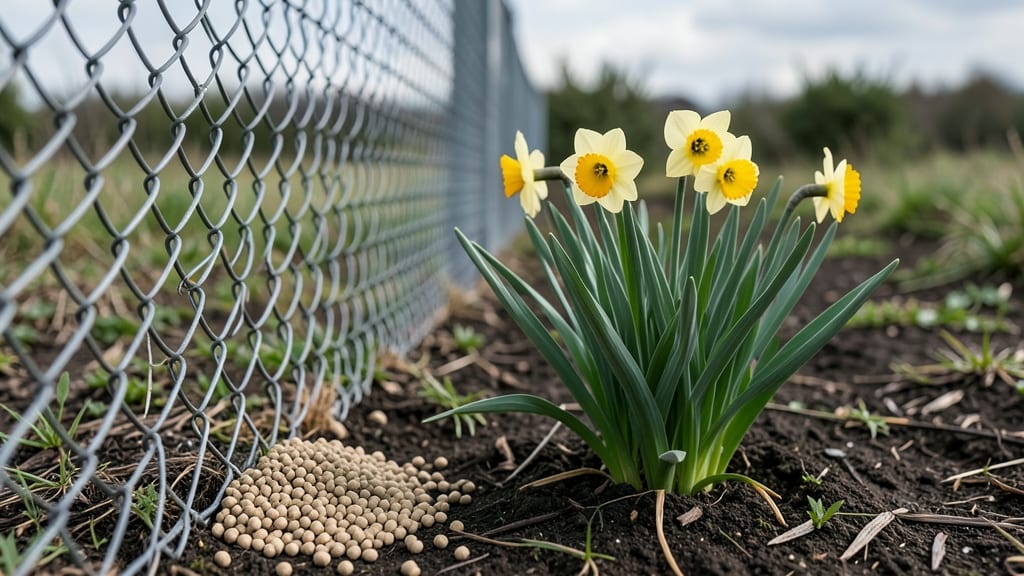
Learn how to keep those bunnies away from your flowers—spice-infused barriers saved my garden, and they’re cruelty-free too. 🌱 The key isn’t harm; it’s using scents and textures they can’t stand.
I’ve tested everything from cayenne pepper to commercial repellents, and these three methods stand out for being humane, effective, and easy to set up.
You’ll need just a few simple supplies: hot sauce or cayenne pepper, a spray bottle, and some chicken wire or mesh for physical protection. The beauty of spice barriers is they’re invisible to us but overwhelming to rabbits—think of it as a flavor bomb for their noses.
Even better, these solutions work for both container gardens and in-ground beds, so you’re not limited by space.
Within a week, you’ll notice fewer chewed leaves and more blooms surviving to open. The flowers themselves stay healthier because the rabbits lose interest, and you avoid the heartbreak of seeing your hard work turned into a salad bar. Plus, this method keeps working season after season with minimal effort.
Works equally well in city gardens, rural yards, or even balcony pots—just adjust the quantities. The secret is consistency: rabbits learn quickly, so keep refreshing those barriers every few weeks. Ready to save your flowers without harming your local bunnies?
📚 In This Guide
- What you need
- Instructions
- Tips and common mistakes
- Wrapping up and next steps
What you need
- ● Cayenne pepper (hot pepper flakes) – 1–2 tbsp per barrier (the hotter, the better!)
- ● Garlic powder or cloves – 1 tbsp per application (bunnies hate the smell!)
- ● Coffee grounds (used or fresh) – ½ cup per barrier (caffeine = bunny repellent!)
- ● Diatomaceous earth (food-grade) – 1 cup (dries out pests naturally)
- ● Spray bottle (8–16 oz) – For mixing liquid sprays
- ● Water (distilled or tap) – 1–2 cups (for diluting spice blends)
- ● Gloves (gardening or rubber) – 1 pair (spices can irritate skin!)
- ○ Mesh or fabric strips (optional but helpful) – Enough to wrap around plants (e.g., old tights or burlap)
- ● Essential oils (peppermint, citrus, or eucalyptus) – 5–10 drops (adds extra scent deterrence)
- ● Chicken wire or hardware cloth – For physical barriers (cut to fit flower beds)
- ● Mulch (straw or pine needles) – Spread 2–3 inches thick (confuses bunny scent trails)
- ● Motion-activated sprinkler – 1 unit (scares off critters with water bursts!)
Step-by-Step guide to creating spice barriers for flower gardens
Here’s the foolproof method I’ve used for years to keep rabbits from turning your blooms into a buffet.
🌿 Step 1: Choose Your Spice Blend and Application Zone
Focus on the perimeter of your flower beds, especially near young plants or tender blooms. I like to use a mix of hot peppers, garlic, and cayenne pepper—these are the strongest rabbit deterrents. Sprinkle the spices 2-3 inches wide around the garden’s edge, creating a clear barrier rabbits won’t cross. The scent lingers for weeks, so reapply after heavy rain.
Real talk: rabbits have a strong sense of smell, but they’re not fans of capsaicin or sulfur compounds. A light dusting is enough to make them think twice. Avoid overdoing it—too much spice can harm beneficial insects like bees, so keep it concentrated near the border.
✂️ Step 2: Create Physical Barriers for Extra Protection
While spices work well, I always pair them with a physical barrier for maximum protection. Use chicken wire or hardware cloth buried 6 inches deep around the garden. This stops rabbits from digging under the spice line. Secure the edges tightly so they can’t push through.
Here’s the thing—rabbits are persistent. If they can reach your flowers, they will. The wire acts as a last line of defense while the spices do the heavy lifting of keeping them away. I’ve seen rabbits hop right up to a spice barrier only to turn around and leave when they hit the wire.
💧 Step 3: Refresh and Maintain the Barrier
Spices lose their potency after rain or when they break down in the soil. Check your barrier every 2-3 weeks and reapply if needed. A quick sprinkle after watering ensures the scent stays strong. I also like to add a fresh layer of spices in early spring before rabbits become active.
Don’t skip this step—even the best barriers fade over time. If you notice rabbits nibbling near the edges, it’s time to reinforce. A little prevention now saves you from losing entire plants later. Think of it like a garden insurance policy.
☀️ Step 4: Combine with Other Deterrents for Long-Term Success
For extra protection, I mix in companion plants like lavender, rosemary, or marigolds near the barrier. These plants have natural rabbit-repelling qualities and add beauty to your garden. A few motion-activated sprinklers near high-risk areas can also scare rabbits away without harming them.
Rabbits are creatures of habit, so the more layers of deterrence you use, the better. If one method fails, another will usually do the trick. Consistency is key—once they learn your garden is off-limits, they’ll move on to easier targets.
Tips & tricks for effective spice barriers against rabbits
A few clever strategies that'll make your flower garden rabbit-proof without harming your plants or local wildlife.
Spice Placement Precision: When creating that 2-3 inch wide spice barrier in Step 1, focus on the most vulnerable areas—especially where rabbits might hop up from lawn edges or paths. I've found that creating a slightly wider barrier (about 4 inches) near these high-traffic zones gives you an extra buffer. The key is to make the scent strong enough that rabbits can detect it from a distance without actually having to touch it.
Physical Barrier Installation: For Step 2, burying chicken wire 6 inches deep might seem like overkill, but trust me on this—rabbits are excellent diggers. If you're working with rocky soil, consider using a garden trowel to create small pockets for the wire edges. This prevents them from popping up and creating gaps rabbits can exploit. I've seen rabbits completely ignore a spice barrier when they find a 2-inch hole in the wire underneath!
Spice Potency Booster: To maximize the effectiveness of your spice barrier, especially after rain as mentioned in Step 3, try mixing your hot peppers, garlic, and cayenne with a small amount of water to create a paste. This allows the spices to adhere better to the soil and maintain their potency longer. Just be sure to apply it lightly—you don't want to create a toxic environment for beneficial insects.
Companion Plant Strategy: When incorporating companion plants in Step 4, consider planting them in a staggered pattern along your spice barrier. This creates a natural transition zone that rabbits find confusing. I've had great success with a combination of lavender (which rabbits dislike) and marigolds (which rabbits avoid due to their strong scent). The visual disruption combined with the scent creates a more effective deterrent system.
Pro Tips for Keep Bunnies Away From Flowers
- A few clever strategies that'll make your flower garden rabbit-proof without harming your plants or local wildlife.
- Spice Placement Precision: When creating that 2-3 inch wide spice barrier in Step 1, focus on the most vulnerable areas—especially where rabbits might hop up from lawn edges or paths.
- Physical Barrier Installation: For Step 2, burying chicken wire 6 inches deep might seem like overkill, but trust me on this—rabbits are excellent diggers.
Frequently asked questions
Got questions about keeping bunnies from munching on your prized blooms? You’re not alone! Here are some of the most common concerns—and practical solutions—to help you protect your garden without harming these fuzzy friends.
Will spices really keep bunnies away, or is it just a myth?
Not a myth! Bunnies have a super-sensitive sense of smell, and strong scents like cayenne pepper, garlic powder, or chili flakes are highly effective. The key is reapplying after rain or every few weeks to maintain the deterrent. Think of it like a natural "do not disturb" sign for your garden.
How long does it take for spice barriers to work?
Most bunnies avoid spice-treated areas immediately, but consistency is key. Start seeing results within 24–48 hours if the scent is strong enough. For stubborn bunnies, combine spices with physical barriers (like chicken wire) for faster protection.
Are there any flowers or plants bunnies won’t eat?
Yes! Bunnies typically avoid foxglove, lavender, marigolds, and snapdragons due to their bitter taste or strong fragrance. Pair these with spice barriers for a double layer of defense. Just remember—no plant is 100% rabbit-proof, so always monitor your garden!
What should I do if the bunnies keep coming back?
If bunnies ignore your spice barriers, try these troubleshooting steps:
- Increase potency: Use hotter spices (like red pepper flakes) or add a few drops of essential oil (e.g., peppermint or citrus).
- Move the barrier: Bunnies may learn to go around it—relocate the treated area or add a secondary line.
- Combine methods: Try motion-activated sprinklers or reflective tape alongside spices for extra deterrence.
Is it safe to use spices around pets or kids?
Most culinary spices (like cayenne or garlic powder) are non-toxic in small amounts, but use caution:
- Avoid essential oils (like peppermint) near pets—they can be harmful if ingested or inhaled.
- Keep spice mixes away from water sources (like birdbaths) to prevent contamination.
- Opt for organic, food-grade spices to minimize risks.
Wrapping up and next steps
Keeping bunnies from nibbling your flowers doesn’t have to be a struggle—just a little creativity!
By using spice-infused barriers like cayenne pepper, garlic, or chili powder, you can create a natural, effective deterrent that’s safe for your garden and the planet. Remember, consistency is key! Reapply your spice mixes as needed, and soon your blooms will thrive in peace.
Now that you’re armed with these tricks, why not take it a step further? Explore other rabbit-resistant plants or DIY garden hacks to keep your outdoor space both beautiful and bunny-proof! 🌿✨