Flowers
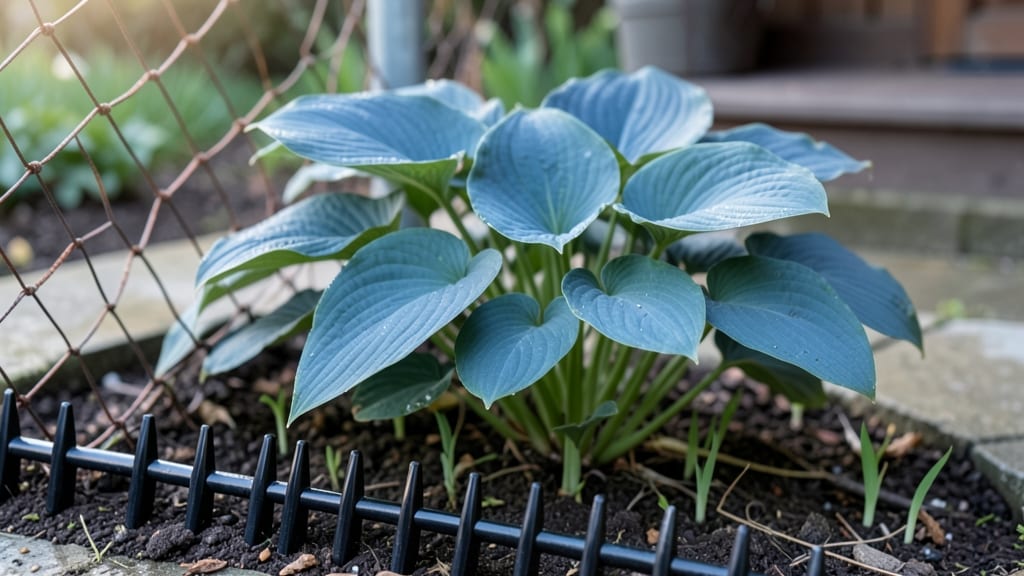
Keeping dogs out of flower beds feels like solving a mystery—every pup has their own tricks for turning gardens into mud pits. 🌱 After years of watching my golden retriever turn my marigolds into a sandbox, I’ve tested what actually stops them: sturdy barriers, smart training, and even a little bribery with designated dig spots.
The best solutions combine physical obstacles with positive reinforcement. Chicken wire buried shallowly or decorative rocks create instant boundaries, while training commands like "leave it" paired with treats teach them new habits. My dog now ignores the flower beds entirely—though he still inspects them like a detective on the case.
You’ll end up with protected plants and a dog who’s finally learned where to dig. The key is consistency: reinforce boundaries daily until it becomes second nature. Even the most determined diggers give up when they realize the flower bed isn’t the prize.
Works for any yard size, breed, or garden style—whether you’ve got delicate perennials or a full-blown cottage garden. The right mix of barriers and training turns your flower beds from war zones into peaceful retreats for both you and your pup.
📚 In This Guide
- What you need
- Instructions
- Tips and common mistakes
- Wrapping up and next steps
What you need
- ● Physical Barriers: 1–2 rolls of chicken wire (18–24 inches tall) or hardware cloth (½-inch mesh)—enough to cover the perimeter of your flower beds.
- ● 4–6 wooden or metal stakes (12–18 inches long) to secure the wire in place.
- ● Garden edging (plastic, metal, or stone)—at least 6–12 inches tall, cut to fit the bed’s dimensions.
- ○ Landscape fabric (optional but helpful) to line the bed before adding mulch or soil.
- ● Natural Deterrents: 1–2 gallons of citrus-scented or vinegar-based spray (homemade or store-bought).
- ● Prickly plants like Lantana or Russian sage (non-toxic to dogs) to border the bed.
- ● Mulch & Soil: 2–3 bags of gravel or coarse mulch (3–4 inches deep) to create a visual and tactile deterrent.
- ● Tools: Hammer or mallet for stakes.
- ● Scissors or wire cutters for trimming materials.
- ● Garden gloves (to protect your hands from thorns or sharp edges).
- ● Spray bottle for applying deterrents.
- ● Dog-specific barriers: Pet-safe fencing (like flexible plastic panels) or underground barriers (e.g., PetSafe Electric Fence).
- ● Visual deterrents: Wind chimes or solar-powered motion-activated sprinklers (like ScareCrow).
- ● Scent boosters: Commercial dog repellents (e.g., Sentry Stop That! granules).
- ● Decorative touches: Rock borders or colorful pebbles to make barriers look intentional (not makeshift!).
Step-by-step solutions for protecting flower beds from dogs
Here's how I've kept my flower beds intact—no more muddy paw prints or trampled blooms.
🪴 Step 1: Install Physical Barriers Around the Beds
Start with a sturdy border that dogs can't dig under or jump over. I like using 3-foot tall metal edging or wooden fencing buried 6 inches deep to prevent digging. For raised beds, wrap the edges with hardware cloth (½-inch mesh) to block even the most determined diggers.
If you have a small yard, a chicken wire fence (staked every 2 feet) works surprisingly well. The key is making sure the barrier is at least 18 inches taller than your dog—dogs can clear surprisingly high obstacles when motivated. For example, my 20-pound terrier routinely jumps 2-foot fences but never clears a 3-foot barrier.
🌿 Step 2: Create Natural Deterrents Along the Edges
Dogs dislike certain textures and smells, so I plant prickly shrubs like barberry or rosemary bushes right against the bed edges. The sharp leaves and strong scent discourage digging. For extra protection, sprinkle gravel or pebbles (about 2 inches deep) along the outer edge of the barrier—dogs avoid walking on rough surfaces.
Another trick I use is citrus peels scattered lightly around the bed perimeter. The scent repels many dogs, and the peels break down naturally without harming plants. Refresh the peels every 3-4 days for best results. If your dog ignores these, try commercial pet repellent sprays (look for ones with citronella or vinegar—avoid anything toxic to plants).
☀️ Step 3: Train Your Dog with Positive Reinforcement
Barriers work best when combined with training. Start by walking your dog along the bed edges while giving treats and praise. Use a long leash (15-20 feet) to let them sniff around without actually stepping in the bed. The goal is to create a positive association with the boundary.
For dogs that still dig, try a no-dig collar (like those used for puppies) or a verbal cue like "leave it." Redirect their energy with a digging box filled with sand or a chew toy when they show interest in the flower bed. Consistency is key—10-15 minutes of training daily makes a noticeable difference within a couple of weeks.
⏰ Step 4: Maintain and Adjust as Needed
Check your barriers weekly for gaps or damage, especially after rain when soil can loosen. Fill in any holes and reinforce weak spots. If your dog figures out how to bypass the barrier, move it 6 inches outward to create a new boundary. I also rotate deterrents seasonally—what works in summer (like hot gravel) might need replacing in winter with something like salt-resistant mulch around the edges.
Pay attention to your dog's behavior. If they start circling or whining near the bed, they're testing the boundary. A quick firm "no" and redirection reinforces the rule. Over time, most dogs learn to respect the space—mine now treats the flower beds like a "no-go zone" and focuses on her designated digging area instead.
Tips & tricks for protecting flower beds from dogs
Here's what I've learned after years of testing different methods—these tricks make all the difference.
Barrier Height Matters: The 3-foot height recommendation isn't arbitrary—it accounts for the fact that dogs can jump surprisingly high when motivated. I measured my terrier's jump at 2 feet, but I still went with 3 feet because dogs often try multiple times. If your dog is particularly athletic, consider adding a second layer of fencing or extending the height by another foot. For extra security, angle the top outward slightly to make climbing harder.
Seasonal Adjustments Are Key: The natural deterrents you choose in summer might not work in winter. Gravel becomes slippery when icy, while citrus peels lose their effectiveness in cold weather. I switch to salt-resistant mulch around the edges in winter—it's rough underfoot and doesn't melt like ice. For spring, I add fresh citrus peels every 3-4 days to maintain the scent barrier, especially after rain when smells dissipate faster.
Training Consistency Pays Off: Those 10-15 minutes of daily training might seem like a small commitment, but they make a world of difference. I set a timer during our evening walks and practice the boundary routine. The key is always ending on a positive note—if your dog resists, just try again tomorrow. Over time, they'll associate the flower bed edges with good things (treats, praise) rather than forbidden territory. I've seen dogs go from digging enthusiastically to completely ignoring the beds within just two weeks of consistent training.
Maintenance is Non-Negotiable: That weekly check you're supposed to do really matters. After heavy rain, I've seen barriers shift or even collapse if the soil becomes too loose. I keep a small bag of gravel and a roll of hardware cloth on hand to make quick repairs. For the chicken wire option, I found that adding concrete footings at each stake point prevents it from bending over time. Think of this as preventative care—just like with any fence, regular upkeep extends its effectiveness.
Pro Tips for Keep A Dog Out Of Flower Beds
- Here's what I've learned after years of testing different methods—these tricks make all the difference.
- Barrier Height Matters: The 3-foot height recommendation isn't arbitrary—it accounts for the fact that dogs can jump surprisingly high when motivated.
- Seasonal Adjustments Are Key: The natural deterrents you choose in summer might not work in winter.
Frequently asked questions
What’s the fastest way to stop my dog from digging in flower beds?
For immediate results, use a combination of physical barriers (like chicken wire or fencing) and deterrents (such as citrus spray or prickly mats). Redirect your dog’s energy with toys or a sandbox, and reinforce boundaries with positive training. Consistency is key—most dogs adjust within 3-5 days.
Are there humane ways to keep dogs out of flower beds without hurting them?
Avoid harsh methods like motion-activated sprays (they can stress pets). Instead, opt for natural deterrents like mulch, gravel, or raised beds. Training-based solutions (e.g., "leave it" commands + treats) and physical barriers (e.g., decorative rocks or low fences) work best. Always supervise your pup during transitions.
How long does it take for a dog to stop digging in flower beds?
It varies by dog, but most adjust within 1-2 weeks with consistent barriers and training. Puppies or high-energy breeds may take longer. Track progress by monitoring their behavior—if digging persists, reinforce deterrents or consult a trainer for deeper behavioral insights.
Can I use plants to naturally keep dogs away from flower beds?
Yes! Dogs dislike certain plants like coleus canina (scaredy cat plant), larkspur, or foxglove due to their scent or texture. Pair these with physical barriers (e.g., a low border of boxwoods) for better results. Avoid toxic plants (e.g., daffodils)—they’re unsafe if ingested.
What if my dog keeps digging after trying everything?
Digging may signal boredom, anxiety, or instinctual behavior (e.g., cooling off). Try enrichment activities (puzzle toys, scent games), more exercise, or a vet check to rule out health issues. If the problem persists, consider professional training or a digging-specific barrier (like a buried wire system).
Wrapping up and next steps
Keeping your furry friend out of flower beds doesn’t have to be a battle—just a little strategy! From physical barriers to natural deterrents, there’s a solution that fits your garden and pup’s personality.
Remember, consistency and patience are key, so don’t get discouraged if it takes a few tries to find what works best.
Now that you’re armed with ideas, take action! Start with one or two methods, observe what your dog responds to, and adjust as needed. Happy gardening—and may your blooms (and your sanity) stay intact! 🌸🐾