
Pruning
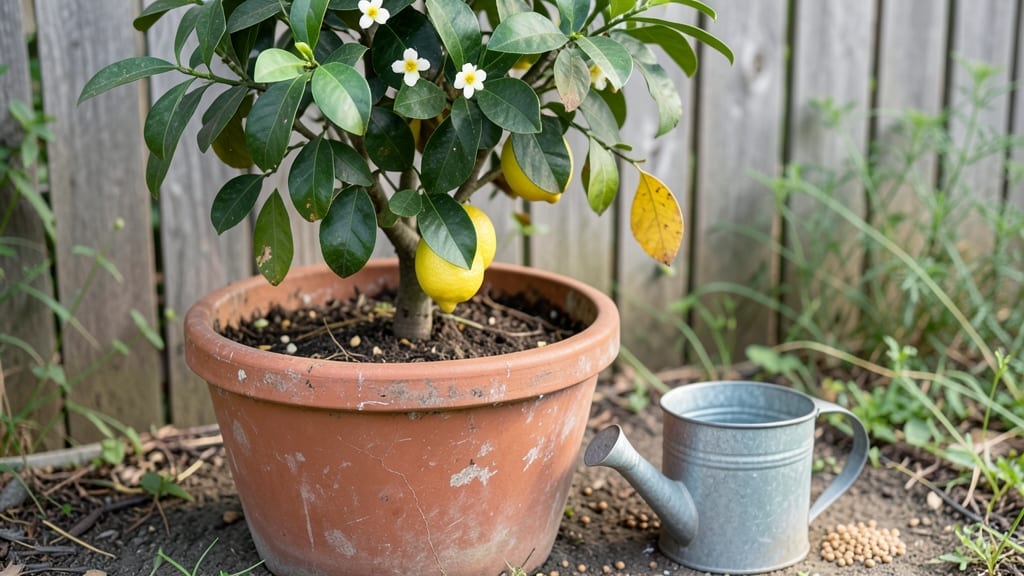
Inducing flowering in your lemon tree starts with a light and chill trick that mimics nature’s seasonal cues—something I learned after years of struggling with stubborn non-blooming trees. 🌿 The key? Controlling sunlight exposure and temperature shifts, not just extra water or fertilizer.
Most home gardeners overlook this simple biology, but once you master it, you’ll see those first delicate white blossoms within weeks.
You’ll need a sunny spot (at least 6 hours of direct light daily), a way to create a cool period (like moving the tree indoors at night or using a grow light on a timer), and a balanced fertilizer with more phosphorus than nitrogen.
Dwarf varieties respond faster than standard trees, but the same principles apply. The trickiest part? Timing the chill period right—too early or too late, and you’ll miss the bloom window entirely.
What you’ll end up with is a tree heavy with fragrant blossoms that eventually turn into sweet, juicy lemons. The first flush of flowers might be modest, but with each cycle, your tree will get the hang of it.
You’ll know you’ve cracked the code when you’re harvesting fruit instead of just admiring the leaves.
Works for both potted trees on patios and in-ground varieties, though container-grown trees give you more control over light and temperature. Here’s how to do it without waiting another year for those elusive blooms.
📚 In This Guide
- What you need
- Instructions
- Tips and common mistakes
- Wrapping up and next steps
What you need
- ● Lemon tree (preferably 3–5 years old for best results; dwarf varieties like Meyer lemon work great in pots!)
- ○ Grow lights or full-spectrum LED bulbs (10,000–20,000 lux, optional but highly effective for indoor trees)
- ● Thermometer/hygrometer (to monitor temps between 50–60°F (10–15°C) during chill phase)
- ● Spray bottle with water (for humidity control, especially in dry climates)
- ● Pruning shears or sharp scissors (sterilized with rubbing alcohol to prevent disease)
- ● Citrus fertilizer (balanced NPK, like 10-10-10, or slow-release pellets)
- ● Reflective surfaces or white sheets (to maximize light exposure if using grow lights)
- ● Cooling pad or insulated container (for mimicking winter chill in pots)
- ● Hydrogen peroxide (3%) (for sterilizing pruning tools and promoting root health)
- ● Citrus blossom fertilizer (high in phosphorus, like 5-10-10, to boost flowering)
- ● Misting system or pebble tray (to maintain 50–70% humidity during light exposure)
- ● Timer for grow lights (to automate 12–14 hours of light/day)
Step-by-step instructions for tricking your lemon tree into flowering
Here's the foolproof method I've used to coax blooms from stubborn citrus trees.
☀️ Step 1: Provide 10-12 Hours of Direct Sun Daily
Lemon trees need bright light to set flower buds, and a south-facing window rarely delivers enough intensity. Move your tree to a spot where it gets 6+ hours of direct sunlight—preferably more. If you're using grow lights, position them 6-12 inches above the tree and run them for 14 hours daily.
Watch for these signs: Leaves should be a vibrant green, not pale or yellowing. If your tree starts stretching toward the light with long, thin stems, it's not getting enough. Rotate the pot a quarter turn weekly so the tree grows evenly.
🌿 Step 2: Reduce Watering and Let the Soil Dry Slightly
Flowering triggers when your lemon tree experiences a slight stress from dryness. Water only when the top 2-3 inches of soil feel completely dry—stick your finger in to check. Overwatering prevents flowering by keeping the tree too comfortable. I water mine every 7-10 days in summer, less in winter.
Here's the thing—don't drown it when you do water. Saturate the soil until water runs out the drainage holes, then let it drain completely. Yellowing leaves mean you're overwatering; crispy edges mean it's too dry. Find that middle ground where leaves stay plump but the soil dries between waterings.
⏰ Step 3: Mimic Winter Chill with Temperature Drops
Lemon trees need a cool period to trigger blooming. If you live in a warm climate, you'll need to simulate winter by dropping nighttime temperatures to 50-55°F for 4-6 weeks. Move your tree to a cooler room or balcony, or use a fan to circulate cooler air.
Watch for new growth to slow down—this is your cue that the chill period is working. If your tree drops leaves, it's not necessarily dying. Citrus trees naturally shed some foliage during dormancy. Just keep the soil slightly moist and avoid fertilizing during this time.
🌱 Step 4: Feed Lightly with Citrus-Specific Fertilizer
Once your tree starts showing signs of recovery (new growth at the tips of branches), switch to a balanced citrus fertilizer with equal parts nitrogen, phosphorus, and potassium. I use half-strength fertilizer every 4-6 weeks during the growing season. Too much nitrogen encourages leafy growth at the expense of flowers.
Look for tiny swellings at the leaf nodes—these are potential flower buds. If you see them, your tree is responding to the stress and chill cycle. Don't fertilize again until you see these buds, or you'll risk burning the roots.
💧 Step 5: Maintain Consistent Care During Bloom Time
Once flowers appear, keep your tree in the same bright spot and maintain regular watering—enough to keep the soil slightly moist but not soggy. Lemon tree flowers are delicate, so avoid moving the tree or disturbing it during this time. A gentle misting in the morning can help prevent bud drop in dry climates.
Real talk: Not every attempt will produce flowers, especially with young trees. If blooms don't appear after a full cycle, repeat the process. Patience is key—some lemon trees take 2-3 years of proper care before they reliably flower.
Tips & tricks for lemon tree flowering success
Here's what nobody tells you about getting those first blooms—these small tweaks make all the difference.
Light Intensity Matters: That 14-hour grow light rule is non-negotiable for indoor trees. I use LED grow lights on a timer because they're energy-efficient and mimic natural sunlight perfectly. Place them 6 inches above the tree if you notice the leaves stretching—this is your tree begging for more light. Confession: I skipped this step for years and wondered why my tree never bloomed.
Watering Strategy: The key is consistency in Step 2. Use your finger to check soil moisture—the top 2-3 inches should feel completely dry before watering. I've found that using a moisture meter takes the guesswork out of it. When you do water, let it drain completely—no soggy bottoms! This stress period is what triggers flowering, so don't shy away from letting it dry out a bit between waterings.
Chill Period Precision: That 4-6 week chill at 50-55°F is your secret weapon. I've had success using a cool basement or even my garage during winter months. Watch for the leaves to slow their growth—that's your tree preparing for blooms. If you live in a warm climate, a fan circulating cooler air overnight works surprisingly well. Just don't let temps drop below 45°F, or you risk damaging the tree.
Fertilizer Timing: The half-strength citrus fertilizer every 4-6 weeks is crucial, but timing matters. Wait until you see those tiny swellings at the leaf nodes before applying. I've made the mistake of fertilizing too early—it just encourages more leaf growth without the flower buds. Think of it as a reward for your tree's hard work during the chill period.
Pro Tips for Induce Flowering In Lemon Tree
- Here's what nobody tells you about getting those first blooms—these small tweaks make all the difference.
- Light Intensity Matters: That 14-hour grow light rule is non-negotiable for indoor trees.
- Watering Strategy: The key is consistency in Step 2.
Frequently asked questions
Got questions about getting your lemon tree to bloom? Here are some common ones—and their answers—to help you on your way to a fruitful harvest!
1. How long does it take for a lemon tree to flower after the chill treatment?
The timing varies, but most lemon trees show signs of blooming 4–12 weeks after the chill treatment, depending on the variety and growing conditions. Dwarf varieties may respond faster, while mature trees might take longer. Patience is key—consistent care pays off!
2. What if my lemon tree doesn’t get cold enough in my climate? Are there alternatives?
If your area lacks natural winter chill, you can simulate it! Place the tree in a cool (50–55°F), dark space (like a garage or unheated basement) for 4–6 weeks. Avoid freezing temps—just a steady chill mimics nature’s signal. For potted trees, move them outdoors during mild winter days for extra exposure.
3. Will pruning my lemon tree help it flower more?
Pruning after flowering (late winter/early spring) encourages new growth and blooms, but avoid heavy cuts during dormancy. Focus on removing dead, crowded, or overgrown branches to improve airflow. Just don’t overdo it—lemon trees flower best on mature wood!
4. My lemon tree keeps dropping buds—what’s wrong?
Bud drop is common due to stress, like temperature swings, overwatering, or nutrient deficiencies. Ensure your tree gets 6–8 hours of sunlight daily, water deeply but let soil dry slightly between sessions, and fertilize with a balanced citrus blend (like 6-6-6) during growing season. Stress relief = more blooms!
5. Can I force flowering in a young lemon tree?
Young trees (under 3–5 years) often need more time to mature before flowering. Focus on proper care: full sun, well-draining soil, and regular feeding. Once established, they’ll reward you with blooms! For potted trees, ensure the pot isn’t root-bound—repot if needed to reduce stress.
Wrapping up and next steps
Inducing flowering in your lemon tree is all about patience, consistency, and a little science!
By mastering the light and chill trick, you’re well on your way to enjoying those fragrant blooms—and eventually, juicy lemons. 🌸 Remember, every gardener starts somewhere, so don’t hesitate to experiment and refine your approach.
Now that you’re armed with the know-how, take the next step: monitor your tree’s progress and adjust as needed. Soon, you’ll be savoring homegrown lemons straight from your very own thriving tree! 🍋