
Blooming
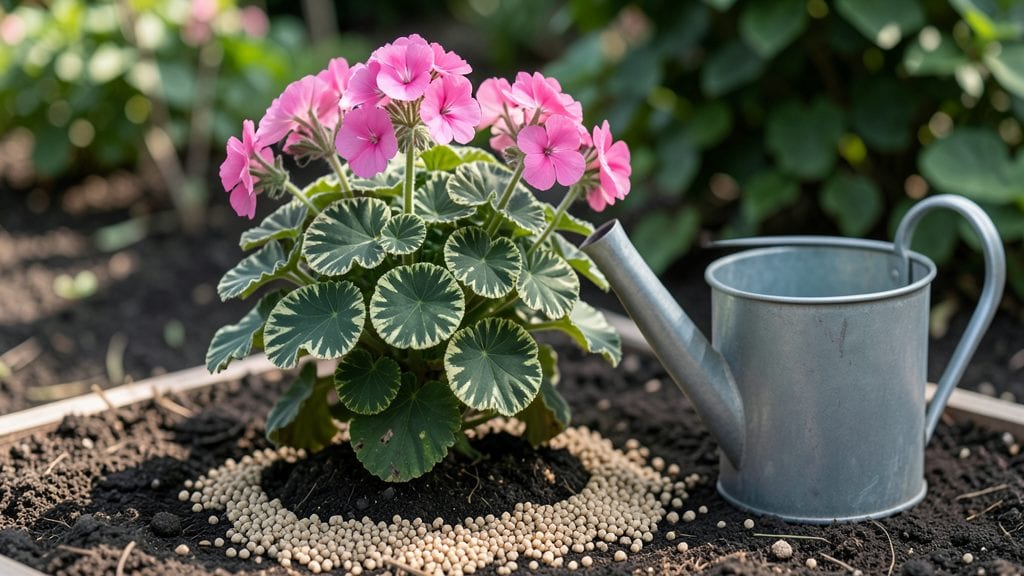
Getting geraniums to flower is all about timing and a little extra care—once you master deadheading, you’ll have blooms from spring until frost. 🌸 I’ve watched my geraniums go from sparse, leggy stems to bursting with color just by spending 10 minutes every week with a pair of pruners.
The secret isn’t complicated, but it’s easy to overlook the small details that make the biggest difference.
Start with the basics: full sun and well-draining soil are non-negotiable, but the real magic happens when you remove spent blooms before they form seed heads. This simple act tricks the plant into focusing energy on new flowers instead of seed production.
I’ve even seen geraniums that refused to bloom in previous years transform after a single season of consistent deadheading and light pruning.
By mid-summer, your plants will reward you with nonstop blooms in shades of pink, red, and white, and the foliage stays lush and compact. The key is staying consistent—don’t let those seed pods linger, or you’ll watch your geraniums slow down just as summer peaks.
With a few adjustments to watering and feeding, you’ll have flowers that last well into fall.
This method works for both zone-hardy geraniums (like Geranium macrorrhizum) and tender Pelargonium varieties, though overwintering care differs. Whether you’re dealing with a single pot or a full garden bed, the principles stay the same—just adjust the scale. Let’s get those blooms going!
📚 In This Guide
- What you need
- Instructions
- Tips and common mistakes
- Wrapping up and next steps
What you need
- ● Geranium plants: Healthy, mature Pelargonium (zonal, ivy, or scented varieties) in pots or garden beds.
- ● Pruning shears or clean scissors: Sharp, sterilized tools (rubbing alcohol works!) to avoid disease.
- ○ Gloves (optional but recommended): Protect your hands from thorns and dirt.
- ● Balanced liquid fertilizer (10-10-10 or 20-20-20): 1–2 tbsp per gallon of water, applied every 2–4 weeks.
- ● Watering can or hose with a gentle spray nozzle: Avoid blasting flowers or buds.
- ● Well-draining potting mix (if repotting): Mix with perlite or sand for aeration (e.g., 60% potting soil, 40% perlite).
- ● Sunlight access: At least 6–8 hours of direct sun daily (south- or west-facing spots are ideal).
- ● Drip tray or saucer (for potted geraniums): Prevents root rot by catching excess water.
- ● Slow-release fertilizer granules: Sprinkle 1–2 tbsp per pot at planting time for steady nutrients.
- ● Epsom salt (magnesium sulfate): 1 tbsp dissolved in a gallon of water monthly for lush foliage and blooms.
- ● Plant supports (for trailing varieties): Small stakes or trellises to guide ivy geraniums.
- ● Mulch (e.g., bark chips or straw): Retains moisture and regulates soil temperature in garden beds.
- ● Garden journal or app: Track deadheading dates, fertilizer schedules, and bloom cycles for consistency!
Step-by-Step instructions for encouraging geranium blooms
Here’s how to transform your geraniums from leafy green bushes into nonstop flowering powerhouses.
🌿 Step 1: Master the Art of Deadheading
Deadheading is your first line of defense against spent blooms. As soon as a flower fades—its petals drop or turn brown—snip the entire stem back to the next set of leaves or leaf node. This prevents the plant from wasting energy producing seeds and redirects it toward new buds. Use clean, sharp pruners or even your fingers for small stems.
I like to deadhead in the morning when the flowers are still crisp. You’ll notice within a week that side shoots form where you cut, and those shoots grow into fresh blooms faster than you’d expect. If you skip this step, your geraniums will focus on seed production instead of flowering, leaving you with a bush full of green but few blooms.
✂️ Step 2: Prune for Shape and Airflow
Geraniums need occasional pruning to stay compact and encourage bushier growth. Pinch back the tips of new growth when they reach about 4-6 inches tall to promote branching. This is especially important in spring when the plant is actively growing. Cut just above a set of leaves where new shoots will emerge.
Don’t overdo it—never trim more than one-third of the plant at once. You’ll see the difference in just a few weeks: instead of long, leggy stems, your geranium will fill out with dense foliage and more flower clusters. Poor airflow from overgrowth leads to fungal issues, so prune lightly but regularly throughout the growing season.
☀️ Step 3: Ensure Full Sun and Proper Watering
Geraniums thrive in full sun (6-8 hours daily)—any less, and they’ll focus on leaf growth instead of blooms. If your plants are in partial shade, move them to a sunnier spot immediately. You’ll know they’re getting enough light when the stems stay sturdy and the leaves are a vibrant green, not pale or stretched.
Water deeply but infrequently—once a week is usually enough unless it’s extremely hot. Let the top 1-2 inches of soil dry out between waterings. Overwatering causes root rot, which weakens the plant and reduces flowering. In containers, check soil moisture by sticking your finger in—if it’s damp, wait another day.
💧 Step 4: Fertilize for Continuous Blooms
Feed your geraniums with a balanced, water-soluble fertilizer (10-10-10 or 20-20-20) every 2-3 weeks during the growing season. Dilute it to half-strength to avoid burning the roots. I start fertilizing in early spring and stop in late summer to let the plant prepare for dormancy.
Look for dark green leaves and frequent new buds as signs you’re fertilizing correctly. If the leaves turn yellow or the plant grows tall with few flowers, you’re likely over-fertilizing with nitrogen. Switch to a low-nitrogen, high-phosphorus formula (like 5-10-5) to encourage more blooms instead of foliage.
Tips & tricks for encouraging geranium blooms
Common pitfalls—and how to sidestep every one.
Timing Secret: Deadhead geraniums in the morning when flowers are still crisp and fully open. This timing ensures you catch spent blooms before they begin setting seeds, which saps energy from future blooms. I’ve found that morning deadheading also prevents evening humidity from promoting fungal growth on cut stems. Within a week, you’ll notice new side shoots emerging from the leaf nodes where you cut—this is your plant’s way of redirecting energy toward new flowers instead of seed production.
Pruning Precision: When pruning for shape in Step 2, focus on cutting just above a set of leaves where new shoots will emerge. This small detail makes all the difference—cutting too close to the leaf node can leave a wound that invites disease, while cutting too far above stunts growth. Remember the one-third rule: never remove more than one-third of the plant at once, even if it looks overgrown. Geraniums are resilient but respond best to gradual shaping throughout the growing season.
Sunlight Strategy: The 6-8 hours of full sun in Step 3 is non-negotiable for consistent blooming. If your geraniums are in partial shade, move them to a sunnier location immediately—even just a few extra hours of direct sunlight can trigger more blooms. Watch for visual cues: sturdy stems and vibrant green leaves indicate proper light exposure, while pale or stretched leaves signal insufficient sunlight. In containers, rotate pots weekly to ensure even light exposure all around the plant.
Fertilizer Focus: The balanced 10-10-10 or 20-20-20 fertilizer schedule in Step 4 works wonders, but timing matters. Apply fertilizer in the morning when plants are actively absorbing nutrients, and always dilute to half-strength to prevent root burn. I’ve learned the hard way that over-fertilizing with nitrogen leads to lush foliage but fewer blooms—switch to a low-nitrogen, high-phosphorus formula (like 5-10-5) if you notice excessive leaf growth with sparse flowers.
Pro Tips for Get Geraniums To Flower
- Common pitfalls—and how to sidestep every one.
- Timing Secret: Deadhead geraniums in the morning when flowers are still crisp and fully open.
- Pruning Precision: When pruning for shape in Step 2, focus on cutting just above a set of leaves where new shoots will emerge.
Frequently asked questions
Why aren’t my geraniums flowering at all?
Geraniums often skip blooming due to overcrowding or lack of sunlight (they need 6+ hours daily). Check if they’re root-bound or getting too much nitrogen (fertilizer). Prune leggy stems and move them to a sunnier spot. If indoors, a grow light can help!
How long does it take for geraniums to flower after pruning?
With proper care, you’ll see new buds in 4–8 weeks after pruning. Deadheading spent blooms accelerates this process. For potted geraniums, a light pinch of growth tips in spring can encourage bushier, flower-heavy growth by summer.
Can geraniums flower in winter? What’s the trick?
Geraniums are dormant in winter, but indoor varieties (like Pelargonium) can bloom year-round with 14+ hours of light (grow lights work!) and cool nights (55–60°F). Outdoor geraniums need winter protection—bring pots inside or mulch heavily before frost.
What if my geraniums only have leaves and no flowers?
This usually means too much fertilizer (especially high-nitrogen) or not enough sunlight. Switch to a bloom-boosting fertilizer (low nitrogen, high phosphorus) and prune back 1/3 of the plant to redirect energy to flowers. Also, ensure they’re not overwatered—geraniums hate soggy roots!
Are there geranium alternatives that flower easier?
If geraniums prove finicky, try impatiens (shade-tolerant, nonstop blooms) or coleus (colorful foliage). For heat-loving, low-maintenance flowers, zinnia or marigold are great substitutes—they self-seed and thrive with minimal deadheading!
Wrapping up and next steps
Getting your geraniums to bloom beautifully is all about consistency and care—deadheading, sunlight, and proper nutrition are your secret weapons! 🌸 With these tips, you’ll enjoy vibrant blooms all season long.
Now that you’re armed with the know-how, grab those pruners and get growing! Try experimenting with a few extra geraniums in different spots—you might just discover your garden’s next star performer.