
Size
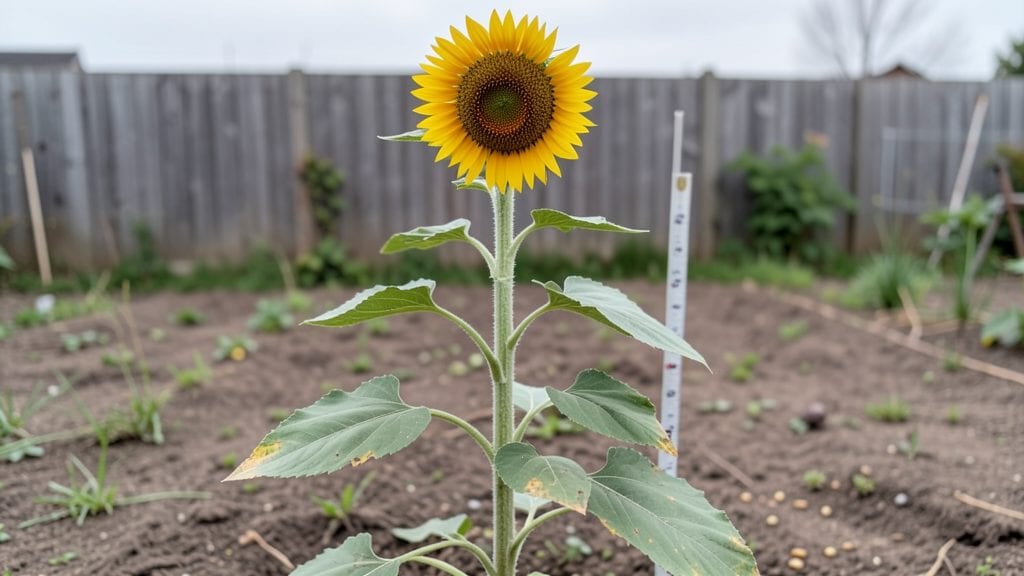
Wondering how high do sunflowers grow? These towering giants can stretch from knee-high dwarfs to a jaw-dropping 12 to 14 feet tall—all in just 90 days. 🌻 I’ve watched my own sunflowers transform from tiny sprouts to sky-piercing stalks. and the transformation never fails to amaze me.
The key to their height lies in their variety, sunlight, and soil—factors you can control to grow sunflowers that fit your space perfectly.
Dwarf varieties like 'Teddy Bear' stay under 3 feet, making them ideal for small gardens or containers, while giants like 'Mammoth' or 'Russian Giant' can easily surpass 10 feet.
Sunflowers need full sun (6+ hours daily) and well-draining soil to reach their full potential—skimp on either, and you’ll end up with shorter, weaker stems. The good news? Even in less-than-ideal conditions, sunflowers will still grow, just not as dramatically.
You’ll know they’re thriving when their stems thicken and leaves turn vibrant green. By mid-summer, you’ll see buds forming at the top, ready to bloom into those iconic yellow faces. The taller the sunflower, the more dramatic the pruning decisions—giants need staking, while dwarfs can stand alone.
But no matter the height, their cheerful blooms bring instant joy to any garden.
Whether you’re growing sunflowers as a privacy screen, a cut-flower crop, or just for fun, their height is one of their biggest charms. Choose a variety that fits your space, give them plenty of sun, and prepare for a summer of sun-soaked surprises. Ready to grow your own towering giants?
📚 In This Guide
- What you need
- Instructions
- Tips and common mistakes
- Wrapping up and next steps
What you need
- ● Sunflower seeds: Choose a tall variety like Russian Giant (10–14 ft) or Mammoth (12–16 ft). Buy 10–20 seeds for a small garden or 50+ seeds for a full plot.
- ● Well-draining potting mix or garden soil: 5–10 gallons per plant (or enough to fill raised beds/containers). Amend with compost for nutrient-rich soil.
- ○ Sunflower starter fertilizer (optional but helpful): A balanced 10-10-10 or 5-10-10 formula to kickstart growth.
- ● Watering can or hose with a gentle spray nozzle: Sunflowers need 1–2 inches of water per week (drip irrigation works best).
- ● Sturdy support (for windy areas): Wooden stakes (6–8 ft tall, 2–3 stakes per plant)
- ● OR tomato cages (adjustable, 6–8 ft height)
- ● Pruning shears: For trimming lower leaves (keep them sharp!).
- ● Mulch: Straw or wood chips to retain moisture and suppress weeds.
- ● Slow-release granular fertilizer: 10–20 lbs per 100 sq ft (apply mid-season for a boost).
- ● Bird netting: Protect seeds from hungry birds (especially if growing for harvest!).
- ● Sunflower companion plants: Marigolds or basil to deter pests.
- ● Growth chart or ruler: Track height progress—because nothing beats watching them shoot up! 📏
How to track and support sunflower growth for maximum height
Sunflowers reward patience with dramatic vertical growth—here's how to nurture them into towering giants.
🌱 Step 1: Choose the Right Variety for Your Space
Tall varieties like 'Mammoth' or 'Russian Giant' can reach 12-15 feet with proper care, while dwarf types like 'Teddy Bear' max out around 3-4 feet. Check your variety's mature height on the seed packet—this determines your support needs and spacing. I always plant a mix of heights for visual interest, with the giants in the back row.
Sunflowers need full sun (6-8 hours daily) and space to spread their roots. Plant 12-24 inches apart depending on variety, with taller types getting the most room. Watch for the first true leaves (not the initial seed leaves) to appear—this confirms successful germination and signals when to thin seedlings to the strongest stems.
☀️ Step 2: Optimize Sun and Soil for Vertical Growth
Sunflowers grow fastest when they receive uninterrupted sunlight—even partial shade stunts their height potential. If your garden has afternoon shade, plant the tallest varieties in the sunniest spot. The soil should be well-draining but moisture-retentive, with a pH between 6.0-7.5. Amend heavy clay with compost to improve aeration.
Water deeply once a week during establishment, then 2-3 times weekly as they grow, keeping the soil 1-2 inches deep moist but never soggy. Overwatering causes weak stems that can't support their own weight. You'll notice rapid stem elongation around 3-4 weeks—this is when they need consistent moisture to fuel their upward growth.
🪴 Step 3: Provide Structural Support Early
For varieties over 6 feet, install stakes or cages at planting time—8-foot bamboo stakes work well for giants. Drive them 6-8 inches deep beside the plant and tie the main stem loosely with soft plant ties as it grows. I use old pantyhose or garden twine to avoid damaging the stem. Watch for wind stress—if the plant sways excessively, add a second stake for stability.
Real talk: Don't wait until the plant is already leaning. The best time to add support is when the stem reaches 3-4 feet tall—this prevents permanent bending. You'll see the stem thicken noticeably as it matures; this added girth helps it bear its own weight but still benefits from support.
✂️ Step 4: Prune Strategically for Height and Strength
Remove any side shoots that form below the top flower bud—these divert energy from vertical growth. Use clean pruners to snip them at the base, leaving the main stem unobstructed. The goal is to channel all resources into one strong central stem. I prune every 10-14 days during the growing season to maintain this focus.
Never remove the top flower bud—this is the plant's growth driver. If you accidentally damage it, the plant may produce smaller side blooms but won't reach its full height potential. Watch for yellowing lower leaves—these are normal as the plant redirects nutrients upward, but if they appear suddenly on upper leaves, it may indicate powdery mildew, which requires immediate treatment.
⏰ Step 5: Monitor Growth Milestones for Maximum Height
Sunflowers grow 1-2 inches per day during peak season. Track their height weekly and adjust support as needed—10-foot varieties may need additional ties every 3-4 feet. The flower bud typically appears when the plant reaches 50-70% of its mature height, signaling rapid final growth. At this stage, reduce watering slightly to 1-2 times weekly to prevent stem weakness.
Here's the moment that matters: When the flower head begins to open, the plant has reached 80% of its final height. For giants, this can mean 10+ feet by late summer. Harvest the seeds when the back of the flower head turns yellow and the petals drop—this ensures maximum height potential was achieved before energy shifts to seed production.
Tips & tricks for growing towering sunflowers
Sunflowers don't just grow—they soar when you give them the right conditions. Here's how to push those stems toward the sky.
Variety Matters: The 'Mammoth' and 'Russian Giant' varieties need extra attention to reach their 12-15 foot potential. I've found that planting giants in the back of your garden bed creates a natural visual progression, with shorter varieties like 'Teddy Bear' (3-4 feet) in front. This layered approach not only maximizes height but also creates stunning vertical interest. The key is checking seed packets for mature height expectations—this determines everything from spacing to support needs.
Sunlight Strategy: Those 6-8 hours of daily sunlight are non-negotiable for vertical growth. I've learned the hard way that even afternoon shade can stunt a sunflower's upward progress. For maximum height, position your tallest varieties in the sunniest spot in your garden. If you're working with partial shade, consider using reflective surfaces like white walls or mulch to bounce extra light onto your plants. Remember, sunflowers grow fastest when they receive uninterrupted sunlight throughout the day.
Support System: Don't wait until your sunflower is already leaning to add support. The best time to install 8-foot bamboo stakes is at planting time for varieties over 6 feet. Drive them 6-8 inches deep beside the plant and use soft plant ties like old pantyhose to avoid damaging the stem. I've seen sunflowers reach 10 feet with just one stake, but for extra stability—especially in windy areas—add a second stake on the opposite side. The goal is to provide support before the plant needs it, preventing permanent bending.
Pruning Precision: Those side shoots below the top flower bud are energy thieves. Remove them every 10-14 days during the growing season to channel all resources into the main stem. I use clean pruners to snip at the base, being careful not to damage the central stem. The top flower bud is your plant's growth driver—never remove it unless absolutely necessary. You'll notice the stem thickens as it matures, which helps it bear its own weight, but proper pruning and support create that extra boost toward skyward growth.
Pro Tips for How High Do Sunflowers Grow
- Sunflowers don't just grow—they soar when you give them the right conditions.
- Variety Matters: The 'Mammoth' and 'Russian Giant' varieties need extra attention to reach their 12-15 foot potential.
- Sunlight Strategy: Those 6-8 hours of daily sunlight are non-negotiable for vertical growth.
Frequently asked questions
about sunflower height—because every gardener wants to know the real deal!How fast do sunflowers grow to their full height?
Sunflowers are speed demons! Most varieties reach 50% of their mature height in just 4–6 weeks after sprouting. Giant varieties like 'Mammoth' can grow 1–2 feet per week during peak season (late spring to early summer). With proper care, you’ll see dramatic daily growth—especially in warm, sunny conditions.
Can I control how tall my sunflowers grow?
Yes! Use these tricks:
- Prune early: Snip the main stem at 3–4 feet to encourage bushier growth (but expect shorter height).
- Limit water: Slight drought stress can stunt vertical growth (trade-off: more flowers!).
- Choose dwarf varieties: 'Teddy Bear' or 'Little Becka' max out at 2–3 feet—perfect for containers.
Why aren’t my sunflowers growing tall?
Common culprits include:
- Poor soil: Sunflowers need well-draining, nutrient-rich soil (add compost or a balanced fertilizer at planting).
- Insufficient sunlight: They need 6+ hours of direct sun daily—partial shade = stunted growth.
- Pests/disease: Check for aphids, powdery mildew, or stem borers. Treat early with neem oil or insecticidal soap.
- Overwatering: soggy roots = root rot. Water deeply 1–2 times per week (more in extreme heat).
What’s the tallest sunflower variety, and where can I buy seeds?
The record-holder is 'Russian Giant', which can hit 12–16 feet (or taller with ideal conditions!). For seeds, check:
- Online: Baker Creek Heirloom Seeds, Burpee, or Etsy (for rare varieties).
- Local: Nurseries or garden centers (call ahead—they often sell out fast!).
Can sunflowers grow tall in containers? What’s the best pot size?
Dwarf varieties (<3 feet) thrive in 5-gallon pots, while medium types (6–8 feet) need 15–20 gallons. For giants (10+ feet), use a whirlpool planter or large fabric grow bag with drainage holes and sturdy stakes. Add slow-release fertilizer and water daily in hot weather—containers dry out faster!
Wrapping up and next steps
Sunflowers are nature’s fast-growing superstars—capable of reaching 10 to 14 feet in ideal conditions, all within just 90 days! Whether you’re growing them for their stunning blooms or eco-friendly benefits, their rapid growth and towering height make them a rewarding addition to any garden. 🌻
Now that you know how high they can grow, why not plant your own? Start with a sunny spot, the right soil, and a little patience—soon, you’ll be watching these cheerful giants stretch toward the sky. Happy gardening! 🌱