
Blooming
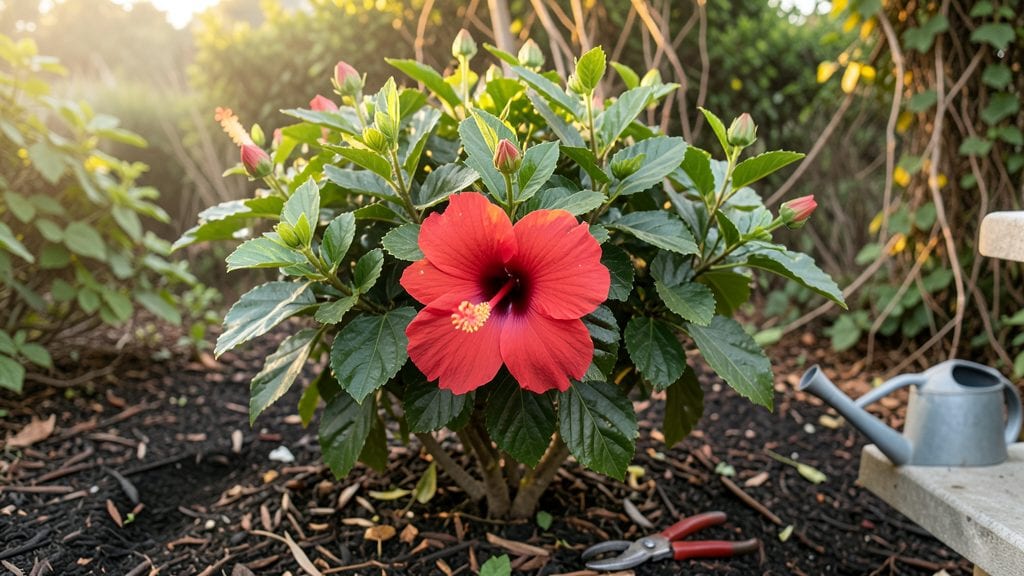
The hibiscus flower blooming all year long in my garden—no pruning frenzy required—reveals the secret: match their tropical roots to your climate’s quirks, then step back and let them thrive. 🌺 I’ve grown hibiscus in both hot summers and mild winters, and the same principles apply—just tweak the timing.
You’ll need full sun (6+ hours daily), well-draining soil, and a balanced fertilizer every 4-6 weeks. Overwatering is the #1 blooming killer, so let the top inch dry between waterings.
My plants reward me with bold, glossy blooms from spring through fall, and with winter care, they keep flowering indoors too.
What you’ll get is a plant that blooms earlier, longer, and more reliably than store-bought varieties. The flowers stay vibrant for days, and the foliage stays lush even in heat waves. Once you nail the basics, hibiscus becomes the low-maintenance superstar of your garden.
Works for patio pots, in-ground plantings, or even as a houseplant in winter. Let’s get those buds popping without the guesswork!
📚 In This Guide
- What you need
- Instructions
- Tips and common mistakes
- Wrapping up and next steps
What you need
- ● Hibiscus plant: Choose a healthy, mature hibiscus (e.g., Hibiscus rosa-sinensis or Hibiscus syriacus) with at least 3-5 sturdy branches.
- ● Well-draining potting mix: 10-15 lbs of a blend designed for tropical plants (e.g., 60% peat moss, 20% perlite, 20% compost).
- ● Pot or garden bed: Container: 12-18" diameter pot with drainage holes (terracotta or fabric preferred).
- ● Garden bed: Full sun exposure (6+ hours/day) with loose, fertile soil (amend with compost if needed).
- ● Fertilizer: Balanced liquid fertilizer (10-10-10 or 20-20-20) or slow-release granules (e.g., Osmocote).
- ● Pruning shears: Sharp, sterilized shears (disinfect with rubbing alcohol between cuts).
- ● Watering can or hose: With a gentle spray nozzle for hydration.
- ● Mulch: 2-3 inches of organic mulch (e.g., pine bark or straw) to retain moisture.
- ● Plant supports: Stakes or cages for container hibiscus to prevent flopping.
- ● pH test kit: To ensure soil pH is between 6.0–7.0 (hibiscus loves slightly acidic soil!).
- ○ Growth regulators: Optional bloom-boosting products like Flower Power (follow label instructions).
- ● Sun shade cloth: 30–50% shade for afternoon sun in hot climates.
Step-by-step guide to encouraging year-round hibiscus blooms
Here's how to coax vibrant flowers from your hibiscus with simple, science-backed care.
🌿 Step 1: Master Light Requirements for Continuous Blooming
Hibiscus demands 6-8 hours of direct sunlight daily—no compromise. Place your plant where it receives morning sun and afternoon shade if temperatures exceed 90°F, as intense afternoon rays can scorch delicate blooms. I position mine near a south-facing window with sheer curtains to filter harsh light while maintaining intensity.
Watch for signs of insufficient light: leaves stretching toward the window (leggy growth) or pale yellowing between veins. Move the plant closer if you notice these—hibiscus won't bloom without proper light. In winter, supplement with a grow light positioned 12 inches above the plant for 14 hours daily to maintain flowering.
💧 Step 2: Water Deeply but Strategically to Trigger Blooms
Hibiscus roots crave consistent moisture but despise soggy soil. Water when the top 2 inches of soil feel dry—stick your finger in to check. I use the soak-and-dry method: water thoroughly until it drains from the bottom, then wait until the surface dries before watering again. This mimics tropical rainfall patterns and encourages robust root development.
Here's the thing—hibiscus blooms best when slightly stressed. Let the top 1 inch of soil dry out between waterings in summer, but never let the plant wilt. Yellowing leaves often signal overwatering, while crispy edges mean underwatering. Adjust your schedule based on your climate: container plants dry faster than in-ground specimens.
☀️ Step 3: Feed with Precision for Nonstop Flower Production
Use a balanced 20-20-20 fertilizer diluted to half strength every 2 weeks during active growth (spring through fall). Hibiscus are heavy feeders, but overdoing it causes leafy growth at the expense of flowers. I switch to a low-phosphorus 10-10-10 in winter to maintain dormancy without encouraging new growth.
Apply fertilizer in the morning so the plant has time to process nutrients before evening. You'll notice new buds forming within 3-5 days of feeding if conditions are right. For organic options, use fish emulsion monthly—it provides micronutrients hibiscus craves for vibrant blooms. Always water before and after fertilizing to prevent root burn.
✂️ Step 4: Prune Strategically to Extend the Blooming Season
Minimal pruning is key—focus on deadheading spent blooms immediately after they fade. This redirects the plant's energy toward new flower production instead of seed development. Use clean, sharp shears to cut back to the first set of leaves below the bloom. I make this my weekly ritual in the growing season.
For shaping, prune in early spring before new growth begins. Cut back leggy branches by one-third to encourage bushier growth. Never prune into old wood—hibiscus blooms only on new growth. After pruning, give the plant a light application of root stimulator to encourage rapid recovery and vigorous regrowth.
🪴 Step 5: Protect from Seasonal Challenges Year-Round
In winter, move container hibiscus indoors where temperatures stay above 55°F. Group plants together to maintain humidity—hibiscus originate from tropical regions and appreciate 50-60% humidity. Place a tray of pebbles with water beneath the pot to increase ambient moisture without soggy soil.
Watch for spider mites in dry indoor conditions—they thrive on hibiscus. Treat immediately with neem oil if you spot webbing or tiny moving dots on leaves. In summer, protect from harsh winds that can strip petals. A lightweight shade cloth (30-50%) during peak afternoon sun prevents stress while maintaining enough light for photosynthesis.
Tips & tricks for perfect hibiscus flower blooming
These simple yet powerful strategies will help you maintain vibrant hibiscus blooms throughout every season with minimal effort.
Light Optimization: The 6-8 hours of direct sunlight you provide is critical, but don't forget about seasonal adjustments. In summer, when temperatures exceed 90°F, I move my hibiscus to receive morning sun only and provide afternoon shade using a sheer curtain. This prevents leaf scorch while maintaining the light intensity needed for blooming. For indoor growers, position your grow light 12 inches above the plant and keep it on for 14 hours daily—this mimics long summer days and triggers continuous flowering.
Strategic Watering: The soak-and-dry method works wonders, but timing matters most in summer heat. After thoroughly watering until it drains from the bottom, let only the top inch of soil dry out before watering again. Container plants dry out faster—check them daily during hot weather. I've learned the hard way that letting hibiscus wilt, even briefly, can cause buds to drop before they open. Consistency is key to maintaining that perfect balance between moisture and stress that encourages blooming.
Fertilizer Timing: That 2-week feeding schedule with diluted 20-20-20 fertilizer during active growth is spot-on, but here's what nobody tells you—hibiscus respond best when fed in the morning. The plant has the entire day to process nutrients before evening, which prevents fertilizer burn. I've noticed new buds forming within 3-5 days of feeding when done correctly. In winter, switch to the low-phosphorus 10-10-10 fertilizer to maintain dormancy without encouraging unwanted growth. Always water before and after fertilizing to protect those delicate roots.
Pruning Precision: When deadheading spent blooms, cut back to the first set of leaves below the bloom—this is where new growth will emerge. I've found that using clean, sharp shears makes all the difference in preventing damage to the stems. For shaping in early spring, never cut back more than one-third of the plant at once. This gradual approach encourages bushier growth without shocking the plant. The light application of root stimulator after pruning helps the plant recover quickly and redirect energy toward new blooms rather than repairing damaged tissue.
Pro Tips for Hibiscus Flower Blooming
- These simple yet powerful strategies will help you maintain vibrant hibiscus blooms throughout every season with minimal effort.
- Light Optimization: The 6-8 hours of direct sunlight you provide is critical, but don't forget about seasonal adjustments.
- Strategic Watering: The soak-and-dry method works wonders, but timing matters most in summer heat.
Frequently asked questions
How often should I prune hibiscus to encourage blooming?
Prune your hibiscus lightly every 3–4 months to promote new growth and blooms. Focus on trimming back leggy stems by 1/3 after each flush of flowers. Avoid heavy pruning in winter—just shape it gently to maintain its form. Pro tip: Use clean, sharp shears to prevent disease!
Why isn’t my hibiscus blooming, even after pruning?
Hibiscus often skips blooming due to lack of sunlight, over-fertilizing, or stress. Ensure it gets 6+ hours of direct sun daily and fertilize with a balanced bloom booster (like 10-10-10) every 4–6 weeks during growing seasons. Check for pests too—aphids or spider mites can sap energy!
Can I grow hibiscus indoors and still get blooms?
Yes! Choose compact varieties like ‘Dwarf Red’ and place near a south-facing window (or use grow lights for 12+ hours/day). Keep humidity high with a pebble tray or misting, and feed monthly with a water-soluble bloom fertilizer. Watch out: Indoor hibiscus may bloom less than outdoor plants but can still thrive with patience!
What’s the best time of year to plant hibiscus for continuous blooms?
Plant hibiscus in early spring (after the last frost) for outdoor growth, or indoors anytime in pots. In warmer climates (zones 9–11), they can bloom year-round! If planting in cooler areas, wait until temperatures stay above 60°F (15°C) to avoid shock. Bonus: Mulch roots to protect them from temperature swings!
Are there low-maintenance hibiscus alternatives for lazy gardeners?
If hibiscus feels high-maintenance, try ‘Hawaiian Sunset’ (drought-tolerant) or ‘Lime Green’ (compact and hardy). For zero-pruning options, consider bougainvillea or plumbago—both burst with color with minimal effort. Remember: Even hibiscus rewards you with stunning blooms when you follow a few simple rules!
Wrapping up and next steps
Watching your hibiscus flower bloom year-round is not just a dream—it’s a rewarding reality with the right care! By mastering minimal pruning, providing the ideal growing conditions, and staying proactive with pests, you’ll enjoy vibrant blooms that brighten your space effortlessly. 🌸
Ready to take the next step? Start by observing your plant’s growth patterns—adjust your pruning schedule based on what works best for your hibiscus. Share your progress or ask questions in gardening communities for extra support. Happy blooming! 🌿