
Flowers
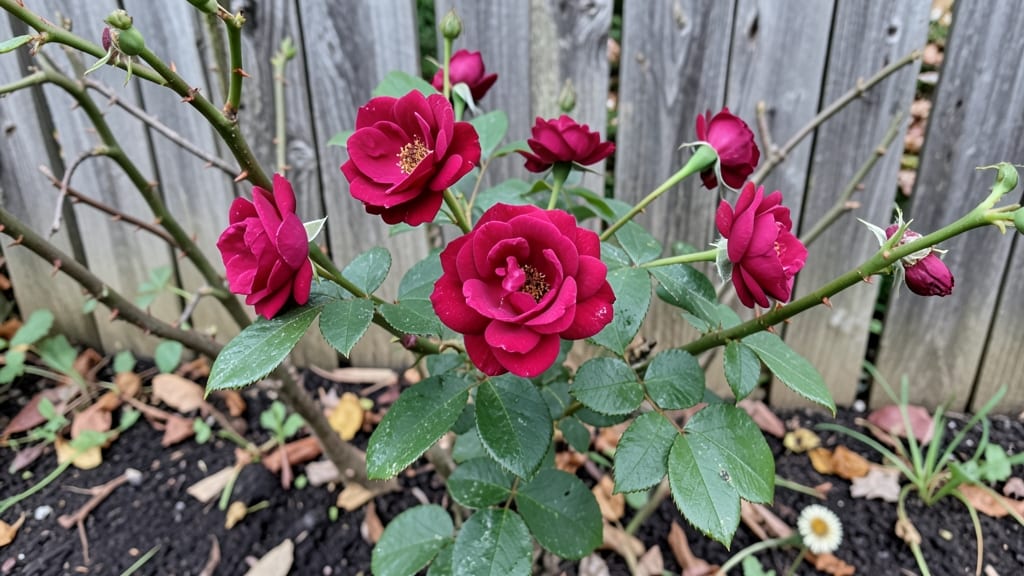
French rose flowers bring old-world romance to your garden with their velvety petals and intoxicating scent—perfect for cool climates where heat-sensitive roses struggle. I grew my first French rose last spring, and its hardy nature and fragrant blooms made it the star of my garden.
The secret lies in their deep roots and adaptability, thriving where other roses wilt under summer heat.
You’ll need well-draining soil, full sun for at least six hours daily, and a spot protected from harsh winds. Varieties like ‘Louis Philippe’ and ‘Souvenir de la Malmaison’ are beginner-friendly, offering lush blooms with minimal fuss.
Once planted, these roses reward patience with months-long flowering and minimal disease pressure compared to hybrid teas.
Pruning in late winter opens the door to abundant blooms, while regular deadheading keeps flowers coming. The scent alone—sweet, honeyed, and nostalgic—makes every snip of the shears worthwhile. By summer, your garden will hum with bees and fill with petals that last longer than most store-bought roses.
Works for climates from Zone 4 to 8, including coastal areas where humidity challenges other roses. Let’s get those roots in the ground and bring a touch of Paris to your yard!
📚 In This Guide
- What you need
- Instructions
- Tips and common mistakes
- Wrapping up and next steps
What you need
- ● French rose plants: Choose disease-resistant varieties like 'Souvenir de la Malmaison' or 'Madame Alfred Carriere' (3-5 plants for a small garden, 6+ for a full border).
- ● Well-draining soil: Mix 60% topsoil with 30% compost and 10% perlite or coarse sand (1-2 cubic yards per 100 sq. ft.).
- ● Organic fertilizer: A balanced 10-10-10 or rose-specific fertilizer (1 lb per plant, applied 3 times per year).
- ● Mulch: 2-3 inches of wood chips or straw to retain moisture and regulate soil temperature.
- ● Pruning shears: Sharp, bypass-pruning shears (sterilized with rubbing alcohol).
- ● Garden hose or watering can: With a gentle spray nozzle for deep watering (1-2 gallons per plant, 2-3 times per week).
- ● Stakes or trellis: 4-6 ft tall for climbing varieties (e.g., 'Zéphirine Drouhin').
- ● Rose food: Liquid or granular for extra blooms (e.g., fish emulsion or seaweed extract).
- ● Epsom salt: 1 tbsp per gallon of water monthly for magnesium boosts.
- ● Pest control: Neem oil spray or insecticidal soap for aphids/mites.
- ● Decorative elements: Garden flags, pebbles, or a small fountain to enhance the romantic vibe!
How to cultivate French roses for cool-weather beauty
Here’s my foolproof approach to growing these fragrant climates—perfect for gardeners who love roses that bloom reliably even when temperatures dip.
Select the Right Variety for Your Cool Climate
French roses thrive in USDA Zones 3-8, so pick a variety suited to your region’s winter chill. Look for David Austin English roses or old garden roses like ‘Souvenir de la Malmaison’ or ‘Louis Philippe’—these handle cooler summers better than hybrid teas. I always check the chill hour requirements (most French roses need 300-800 hours below 45°F annually) to avoid disappointment.
If you’re in a Zone 3-5 area, opt for hardy French varieties like ‘Château de Clagny’ or ‘Gloire de Dijon.’ For Zones 6-8, you can experiment with slightly less cold-tolerant types like ‘Cécile Brünner’ or ‘Comtesse du Cayla.’ Avoid tropical roses—they’ll sulk in cooler weather.
Prepare the Planting Site for Optimal Growth
French roses need well-draining soil with 6.0-7.0 pH—they hate soggy roots. Amend heavy clay with 2-3 inches of compost and a handful of sand or perlite to improve drainage. I dig a hole twice as wide as the root ball but only as deep—planting too deep suffocates the graft union.
Choose a spot with at least 6 hours of sunlight daily, though French roses tolerate partial shade better than hybrid teas. If your summers are hot, morning sun with afternoon shade prevents leaf scorch. Water deeply before planting to help roots settle into moist soil—this reduces transplant shock.
Plant and Mulch for Winter Protection
Loosen the roots gently if they’re circling in the pot, then place the rose in the hole so the graft union sits 2 inches above soil level. Backfill with native soil, firming lightly to remove air pockets. Water again to settle everything—1 gallon per plant is enough for initial settling.
Apply 3-4 inches of organic mulch (like shredded bark or straw) around the base, keeping it 6 inches away from the stem to prevent rot. This mulch layer insulates roots in winter and retains moisture in summer. In Zones 3-5, add an extra 6 inches of mulch in late fall to protect against freezing.
Prune and Feed for Strong, Fragrant Blooms
Prune in early spring (before buds swell) to shape the bush and encourage airflow. Remove dead, crossing, or weak branches, then cut back remaining canes by one-third to stimulate new growth. French roses bloom on both old and new wood, so avoid heavy summer pruning—it reduces next year’s flowers.
Feed with a balanced rose fertilizer (10-10-10) in early spring, then switch to a low-phosphorus formula (5-10-5) in summer to promote blooms over foliage. I water deeply after fertilizing to prevent root burn. Deadhead spent blooms regularly to redirect energy into new flowers—this keeps French roses blooming late into fall.
Protect from Pests and Winter Chill
French roses are disease-resistant but still need watchful eyes. Spray with neem oil in early summer to deter aphids and black spot. Avoid chemical sprays—they can harm beneficial insects that pollinate your garden. I also prune out infected leaves immediately to stop fungal spread.
In Zones 3-5, mound extra soil or mulch around the base in late fall to insulate roots. Wrap the canes loosely in burlap (not plastic!) and secure with twine—this prevents sunscald in winter. Remove the wrap in early spring once new growth appears.
Tips & tricks for perfect French rose cultivation
These practical insights will help you grow fragrant, resilient French roses that thrive in cooler climates—without the common pitfalls that trip up new gardeners.
Variety Selection Insight: When choosing between David Austin English roses and old garden varieties, consider bloom time. English roses like 'Souvenir de la Malmaison' often rebloom in fall, while 'Louis Philippe' produces abundant single blooms in early summer. For Zones 3-5, I recommend 'Gloire de Dijon'—it's one of the hardiest and produces stunning deep pink blooms even in challenging winters. The key is matching your zone's chill hours (300-800 hours below 45°F) to the variety's tolerance.
Soil Preparation Secret: The 2-3 inches of compost and sand/perlite mix in Step 2 isn't just about drainage—it's about creating an ideal microbial environment. French roses respond particularly well to mycorrhizal fungi found in compost, which help roots absorb nutrients more efficiently. I always test soil pH before amending; if your soil is naturally acidic, add a handful of lime to reach that 6.0-7.0 target before planting. This prevents the "yellow leaf syndrome" I've seen in many cool-climate gardens.
Planting Precision: That 2-inch graft union elevation in Step 3 is critical—it's where the rootstock meets the scion wood. Planting too deep suffocates this junction, causing the rose to revert to its wild, less desirable rootstock. I mark the graft union with a small piece of tape before planting to ensure proper positioning. Also, the 1-gallon initial watering should be done slowly to prevent soil compaction around delicate roots.
Winter Protection Strategy: For Zones 3-5, the extra 6 inches of mulch in late fall creates an insulating blanket that maintains soil temperatures above freezing. I've found that wrapping canes in burlap (not plastic) prevents moisture buildup that leads to fungal diseases. Remove the wrap in early spring only after you see new growth—this tells you the plant has survived winter and is ready to photosynthesize. The 6-inch mulch clearance from the stem prevents rot while still protecting roots.
Pro Tips for French Rose Flower
- These practical insights will help you grow fragrant, resilient French roses that thrive in cooler climates—without the common pitfalls that trip up new gardeners.
- Variety Selection Insight: When choosing between David Austin English roses and old garden varieties, consider bloom time.
- Soil Preparation Secret: The 2-3 inches of compost and sand/perlite mix in Step 2 isn't just about drainage—it's about creating an ideal microbial environment.
Frequently asked questions
Got questions about growing French rose flowers? You’re not alone! Whether you're a beginner or a seasoned gardener, these answers will help you cultivate fragrant blooms with confidence.
What’s the best time of year to plant French roses?
Plant Rosa gallica (French roses) in early spring or fall when temperatures are mild. Avoid extreme heat or frost—roots need time to establish before winter. If planting in fall, do it at least 6-8 weeks before the first frost to ensure strong root growth.
Do French roses need full sun, or can they grow in partial shade?
French roses thrive in full sun (6+ hours daily), but they tolerate partial shade (4-6 hours), especially in hot climates. In shadier spots, expect fewer blooms but still fragrant foliage. If growing in shade, ensure well-draining soil to prevent root rot.
How often should I prune French roses, and when?
Prune once a year in late winter or early spring (before new growth starts). Remove dead, crossing, or weak branches to improve airflow. For Rosa gallica, keep the shape natural—avoid heavy pruning, as they bloom on old and new wood. Sanitize tools with rubbing alcohol to prevent disease!
What pests or diseases should I watch for with French roses?
Common issues include:
- Aphids: Use a strong spray of water or insecticidal soap.
- Black spot fungus: Remove infected leaves and apply neem oil preventatively.
- Japanese beetles: Handpick or use milky spore for long-term control.
Ensure good airflow and avoid overhead watering to reduce risks.
Can I grow French roses in containers, or do they need a garden bed?
Yes! French roses adapt well to large containers (15+ gallons) with drainage holes. Use a well-draining potting mix and repot every 2-3 years. Place containers in full sun and water consistently—containers dry out faster than garden soil. Dwarf varieties like ‘Rosa gallica ‘Officinalis’ work best for pots!
Wrapping up and next steps
Growing French rose flowers is a rewarding journey that brings beauty, fragrance, and a touch of elegance to any garden—especially in cooler climates. 🌹 With the right soil, sunlight, and care, these classic blooms will thrive and reward you with stunning displays year after year.
Whether you're a seasoned gardener or just starting, the key is patience and a little love.
Ready to dive in? Start small—pick a sunny spot, gather your supplies, and take the first step today! Your garden (and future bouquets) will thank you.