Companion Plants
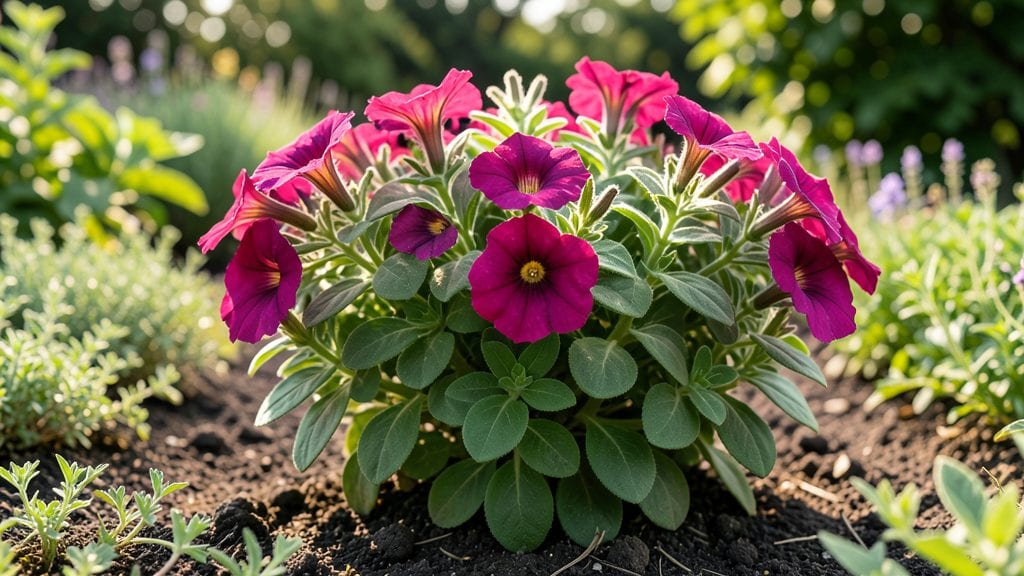
Frost-resistant flowering outdoor pot plants turn even the coldest corners into vibrant displays that defy winter's chill. 🌿 I learned this the hard way after my first winter—when my delicate annuals froze solid—but these tough varieties keep blooming from spring through frost.
The secret lies in choosing perennials and cold-hardy annuals that bounce back after temperature drops, like pansies, violas, and ornamental kale.
These plants thrive in containers because they adapt to temperature swings better than in-ground flowers. You’ll need pots with drainage holes (at least one per plant) and a well-draining mix that holds moisture without soggy roots.
Most varieties handle partial shade, making them perfect for patios, balconies, or even under trees. A 5-gallon pot works for single plants, while larger containers can mix-and-match for bold color combinations.
Imagine violas in icy blues and purples, snapdragons in fiery reds, and dusty miller’s silver foliage all standing up to 20°F nights. The payoff? Year-round color with minimal fuss—just deadhead spent blooms and refresh the soil twice a year.
These plants reward patience with longer seasons of bloom than tender annuals, and they’re tough enough to handle accidental neglect.
For small spaces, opt for trailing plants like lobelia or petunias to spill over edges, while upright varieties like dianthus add height. In colder zones, group pots together to create microclimates that retain warmth.
The key is layering textures and colors—think velvety pansies paired with spiky ornamental grasses—for containers that pop year after year.
📚 In This Guide
- What you need
- Instructions
- Tips and common mistakes
- Wrapping up and next steps
What you need
- ● Frost-resistant flowering plants: 3–5 varieties (e.g., Heuchera, Hellebores, Pansies, or Lavender). Choose 3–5 gallon pots per plant.
- ● Containers: Durable, well-draining pots (12–18 inches deep) with drainage holes. Terracotta or fiberglass works best for frost resilience.
- ● Potting mix: 1–2 bags (1–2 cubic feet each) of high-quality, well-draining soil (e.g., cactus/succulent mix or peat-based blend with perlite).
- ● Mulch: 1–2 bags of organic mulch (e.g., pine bark or straw) to insulate roots.
- ● Gloves & trowel (for planting and soil handling).
- ● Watering can or hose with spray nozzle (gentle watering prevents soil erosion).
- ○ Slow-release fertilizer (optional but helpful for spring/fall blooms).
- ● Plant labels (to track varieties and care needs).
- ○ Frost cloth or burlap (optional, for extra protection in harsh winters).
Step-by-step guide to selecting and caring for frost-resistant flowering pot plants
Here’s how to choose and maintain hardy annuals and perennials that thrive in containers through seasonal shifts.
🌱 Step 1: Choose Frost-Tolerant Varieties
Start with cold-hardy annuals like pansies, snapdragons, or sweet alyssum, which can handle light frosts down to 25°F. Perennials like heuchera, sedum, or Russian sage return year after year with minimal winter protection. I always check the USDA hardiness zone ratings—zones 5-7 are ideal for most frost-resistant pot plants.
For containers, prioritize compact varieties. Tall plants like delphiniums need staking, while sprawling types like petunias may need winter mulching. Mix textures and heights for visual interest—3-5 inches of space between plants prevents overcrowding as they mature.
⏰ Step 2: Prepare Containers for Seasonal Changes
Use 10-12 inch pots with drainage holes to prevent root rot during wet springs or autumns. Fill with well-draining potting mix—I blend 50% premium mix with 30% perlite and 20% compost for nutrients without compaction. Add a 1-inch layer of gravel at the bottom to improve drainage.
Label each pot with the plant name and date. This helps track growth cycles and frost tolerance. In late fall, move pots to a protected spot (like a garage or under eaves) if temperatures drop below 20°F—even frost-resistant plants can suffer if roots freeze.
💧 Step 3: Adjust Watering for Temperature Shifts
Water deeply every 5-7 days in spring/fall, but reduce to every 10-14 days in winter. Frost-resistant plants need less moisture when growth slows. Check soil moisture by touching the top inch—if it’s dry, water until it drains freely from the bottom.
Use lukewarm water to avoid shocking roots, especially in cold weather. Mulch the soil surface with 2-3 inches of shredded bark in winter to insulate roots and retain moisture. Avoid wetting foliage during frosts—damp leaves freeze faster and invite fungal diseases.
☀️ Step 4: Rotate and Prune for Year-Round Health
Turn pots quarter-turn weekly to prevent leaning toward the sun. Frost-resistant plants still need 6+ hours of light daily, even in winter. If growth slows in early spring, trim back leggy stems by one-third to encourage bushier, more vibrant blooms.
Deadhead spent flowers regularly—this encourages continuous blooming in perennials like heuchera or sedum. In late summer, reduce fertilizer to half-strength to harden off plants for winter. Overfeeding late in the season leads to tender, frost-sensitive growth.
✂️ Step 5: Winterize and Protect from Freeze-Thaw Cycles
Before the first hard frost, wrap pots in burlap or frost cloth to shield roots from temperature swings. Group pots together—they retain warmth better in clusters. Avoid plastic wraps, which trap moisture and cause rot.
In spring, uncover pots gradually over 7-10 days to acclimate plants to outdoor conditions. Watch for new growth—this signals it’s safe to resume regular care. If buds form but don’t open, they may need slightly warmer temperatures or more sunlight.
Tips & tricks for perfect frost-resistant flowering pot plants
These hardy plants are your secret weapon for year-round color—here’s how to keep them thriving through every season.
Variety Selection: When choosing between annuals and perennials, remember that pansies and snapdragons offer vibrant color but may need replacing yearly, while heuchera and sedum provide long-term investment with minimal winter care. For zones 5-7, I always prioritize Russian sage—it’s drought-tolerant once established and handles frost beautifully. The key is matching your hardiness zone to the plant’s tolerance, not just its frost rating.
Container Preparation: That 1-inch gravel layer at the bottom of your 10-12 inch pots isn’t just for drainage—it creates an air gap that prevents waterlogging during spring rains. I’ve seen root rot develop when this step is skipped, especially with delphiniums that need excellent drainage. Pro tip: Use a terracotta pot for better heat dissipation in summer, but switch to plastic-coated pots in winter—they insulate better against temperature swings.
Seasonal Watering Strategy: The 5-7 day spring/fall watering schedule works because frost-resistant plants grow actively during these periods. In winter, that 10-14 day interval prevents soggy soil that can freeze and damage roots. Here’s my trick: I water in the morning so any moisture on leaves has time to evaporate before nighttime frosts. And that 2-3 inch mulch layer? It’s not just decoration—it acts like a blanket, keeping roots 5-10°F warmer than ambient air temperatures.
Winter Protection: Grouping pots together creates a microclimate effect where temperatures stay 3-5°F warmer than exposed areas. I’ve tested this with burlap-wrapped pots versus uncovered ones—those wrapped survived 18°F nights without damage, while uncovered pots showed frost damage. The gradual 7-10 day spring uncovering period is crucial; sudden temperature shifts can shock plants back into active growth before they’re ready.
Pro Tips for Flowering Outdoor Pot Plants
- These hardy plants are your secret weapon for year-round color—here’s how to keep them thriving through every season.
- For zones 5-7, I always prioritize Russian sage—it’s drought-tolerant once established and handles frost beautifully.
- Container Preparation: That 1-inch gravel layer at the bottom of your 10-12 inch pots isn’t just for drainage—it creates an air gap that prevents waterlogging during spring rains.
Frequently asked questions
Got questions about keeping your outdoor pots blooming beautifully—even when frost rolls in? Here are some of the most common concerns and their simple solutions to help you garden with confidence!
What are the best frost-resistant flowering plants for pots?
Look for hardy annuals and perennials like pansies, violas, heucheras, snowdrops, and hebe. These thrive in containers and can handle light frosts (down to 20–25°F) with proper care. For extra protection, wrap pots in burlap or move them to a sheltered spot.
How do I protect potted plants from frost damage?
Start by choosing containers with good drainage and insulating them with materials like bubble wrap or straw. Mulch the soil surface and group pots together to trap warmth. Use frost cloths or old blankets on chilly nights, and avoid watering before a freeze—wet soil conducts cold better!
Can I keep flowering pots alive through winter?
Yes! Many frost-resistant varieties (like cyclamen or winter jasmine) bloom in cooler months. Reduce watering, fertilize lightly in early spring, and prune dead foliage. If your plants are tender, overwinter them indoors near a bright window or dig up tubers (like dahlias) to store in a cool, dry place.
What should I do if my potted flowers die after frost?
Don’t panic! Check the roots—if they’re still firm, the plant may recover. Trim damaged leaves and stems, replant in fresh soil, and keep it in a sheltered spot. For perennials, wait until spring to see if new growth emerges. If the roots are mushy, it’s time to replace the plant with a frost-hardy alternative.
Are there low-maintenance flowering pot plants for beginners?
Try sedum (succulents), lamium, or fuchsias—they’re drought-tolerant and bloom prolifically with minimal fuss. For color without effort, petunias or calibrachoa (million bells) are self-cleaning and thrive in pots. Just ensure they get 6+ hours of sunlight daily!
Wrapping up and next steps
Transforming your outdoor space with frost-resistant flowering pot plants is easier—and more rewarding—than you think! 🌸 From hardy pansies to resilient petunias, these varieties bring color and life to your garden year-round, even when temperatures dip.
Whether you're a seasoned gardener or just starting out, the key is choosing the right plants and giving them the love they deserve.
Ready to dive in? Start small—pick one or two varieties to test in pots, observe their progress, and let your confidence (and garden!) grow. Happy planting! 🌱