Pruning
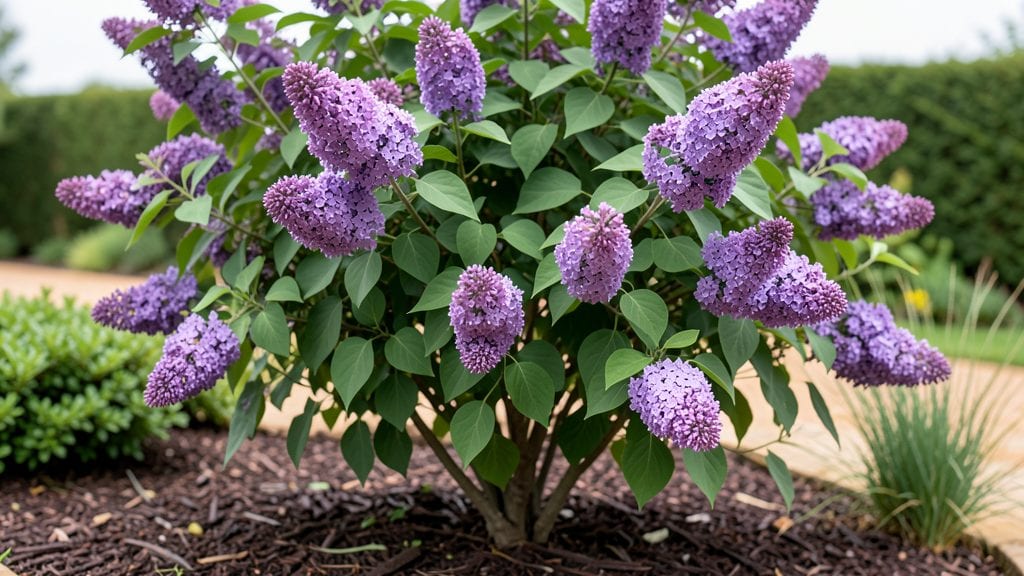
The flowering lilac tree’s fragrant spring blooms can thrive longer—and burst even brighter each year—with the right pruning technique. I’ve pruned lilacs for over a decade, and the difference between a wild, overgrown bush and a neat, prolific bloomer comes down to timing and technique.
The secret isn’t cutting more, but cutting smart—right after flowering, not in late summer when next year’s buds are forming.
Most gardeners mess this up by pruning at the wrong time, which actually reduces blooms. You’ll need basic tools—a pair of sharp bypass pruners and loppers—and a clear day to work. The goal is to shape the tree while encouraging new growth where the flowers will appear.
My 5-minute rule keeps me from overdoing it: if a branch takes longer than that to cut, it’s too thick for lilacs anyway.
After just one season of proper pruning, you’ll see denser clusters of flowers and fewer bare stems. The fragrance becomes stronger because the plant focuses energy on blooms instead of random growth.
Plus, your tree will stay compact enough to enjoy without a ladder. Let’s get those blooms back in full force.
This works for all common lilac varieties—Syringa vulgaris, Syringa meyeri, and even double-flowered types—just adjust the timing slightly for late-blooming types. Even urban lilacs in small yards can thrive with these cuts. Ready to transform that fragrant bush into a showstopper?
📚 In This Guide
- What you need
- Instructions
- Tips and common mistakes
- Wrapping up and next steps
What you need
- ● Pruning shears: Bypass pruners with a sharp 5- to 8-inch blade (for small branches). Sterilize with rubbing alcohol before and after use.
- ● Loppers: Long-handled (20-24 inches) bypass loppers for branches ½ to 2 inches thick.
- ● Pruning saw: Curved-tooth saw for branches 2+ inches thick (avoid bolt cutters—they crush wood!).
- ● Disposable gloves: Nitrile or leather gloves (thorns + protection!).
- ● Rag or paper towels: For cleaning tools and wiping sap.
- ○ Pruning sealant (optional but helpful): Tree wound paint or pruning sealant (for cuts larger than ½ inch).
- ● Ladder or step stool: Sturdy, extendable ladder (if lilac is over 6 feet tall). Safety first—secure it!
- ● Trash bags: For collecting pruned branches and debris.
- ● Handheld leaf blower: Clears debris from the tree and yard post-pruning.
- ● Disinfectant spray: 70% isopropyl alcohol to sterilize tools between cuts.
- ● Marking twine or flags: For tagging branches to prune (great for complex cuts!).
- ● Knee pads: If you’re working on the ground for extended periods.
- ● Camera or phone: Snap photos before, during, and after pruning for reference!
How to prune a flowering lilac tree for maximum blooms
Here's the straightforward method I've used for years to keep my lilacs flowering like crazy.
Understand the Lilac's Blooming Cycle
Lilacs bloom on last year's growth, so timing matters. The best time to prune is right after flowering—typically late spring or early summer when blooms fade but before new buds form. This gives the tree time to develop next year's flowers on fresh growth.
If you prune in fall or winter, you risk cutting off next year's flower buds before they form. Lilacs are tough, but they're not forgiving about missed timing. I mark my calendar right after the blooms drop to avoid forgetting.
Remove Dead, Diseased, or Weak Wood
Start by inspecting the tree for dead, crossing, or rubbing branches—these compete with healthy growth and invite pests. Use clean, sharp pruners to make 45-degree cuts just outside the branch collar where the branch meets the trunk. This prevents unsightly stubs and promotes faster healing.
Cut back any branches that look diseased (mushy, discolored, or oozing sap) or broken. Dispose of these in the trash, not your compost bin. Healthy wood should be firm and green when you scrape a small section with your fingernail.
Thin Out Overcrowded Branches
Lilacs naturally grow bushy, but too many branches mean fewer blooms. Look for branches growing inward or crossing others—these need to go. Aim to leave an open center so air circulates well. I usually remove about 10-20% of the oldest branches each year to keep the tree balanced.
Make your cuts at the branch collar, not mid-branch. This encourages new growth from the base rather than leaving stubs that rot. If a branch is too thick to cut by hand, use a pruning saw for clean cuts.
Shape the Tree for Better Airflow
Lilacs respond well to light shaping, but avoid heavy pruning. Focus on opening up the canopy by cutting back the longest branches by about one-third. This improves airflow, reducing fungal diseases like powdery mildew, which can ruin blooms.
Step back often to check your work. The goal is a naturally rounded shape with no branches touching. Lilacs hate being cramped, so resist the urge to prune too aggressively. A little shaping goes a long way.
Clean Up and Monitor for Recovery
After pruning, rake up and dispose of all clippings—especially diseased ones—to prevent reinfection. Water the base of the tree deeply to help it recover. You'll notice fresh green growth within 2-3 weeks, signaling the tree is healing well.
In the following year, your lilac should reward you with even more abundant blooms. If you see sparse flowering, it might mean you pruned too late last year. Next time, mark your calendar earlier!
Tips & tricks for perfect flowering lilac tree pruning
Took me years to figure out these tricks—now I never miss a season of blooms.
Timing Secret: The late spring/early summer window is critical because lilacs bloom on last year's growth. I set a phone reminder the moment the last flower petals drop—usually around Memorial Day in my zone. If you prune too early, you risk cutting off next year's buds; too late, and you'll be left with sparse blooms. Watch for the first new leaves to appear on the branches as your cue.
Branch Collar Technique: When making cuts in Step 2 and Step 3, focus on the branch collar—the swollen area where the branch meets the trunk. Cut just outside this collar at a 45-degree angle to prevent water from pooling and causing rot. I've seen too many pruning mistakes where people cut flush with the trunk, leaving ugly stubs that never heal properly. A sharp pruning saw makes this easier for thicker branches.
Airflow Strategy: The goal in Step 4 isn't just aesthetics—it's about preventing powdery mildew, which thrives in crowded canopies. After shaping, I step back 10 feet to check for any branches that might still be touching. You should be able to see sunlight reaching the center of the tree. This simple check has doubled my bloom production over the years by keeping the foliage healthy.
Recovery Check: That 2-3 week recovery period in Step 5 is your quality control window. If you don't see fresh green growth within 3 weeks, either your cuts were too severe or the tree needs more nutrients. I've started using a slow-release fertilizer right after pruning to give the lilac a boost during this critical healing phase. The new growth tells you everything about whether you pruned correctly.
Pro Tips for Flowering Lilac Tree
- Took me years to figure out these tricks—now I never miss a season of blooms.
- Timing Secret: The late spring/early summer window is critical because lilacs bloom on last year's growth.
- Branch Collar Technique: When making cuts in Step 2 and Step 3, focus on the branch collar—the swollen area where the branch meets the trunk.
Frequently asked questions
Got questions about keeping your flowering lilac tree blooming beautifully? Here are some of the most common concerns—and their answers—to help you prune with confidence!
When is the best time to prune a lilac tree?
The ideal window for pruning lilacs is right after they finish blooming (late spring to early summer). This ensures you don’t cut off next year’s flower buds, which form on old wood. Avoid heavy pruning in fall or winter, as it can stimulate weak growth before dormancy.
How much can I trim back my lilac tree?
For healthy lilacs, never remove more than 1/3 of the plant’s growth in a single year. Light pruning (shaping, removing dead wood) is safe year-round, but major cuts should wait for post-bloom season. Over-pruning can stress the tree and reduce flowering.
Why isn’t my lilac tree blooming after pruning?
If your lilac skips blooms, it’s often due to pruning at the wrong time (e.g., cutting back in late summer/fall) or over-trimming. Lilacs need old wood to form buds—so avoid hard cuts after June. Also check for pests (aphids, borers) or disease, which can weaken the tree.
Can I prune a lilac tree to make it bushier?
Yes! To encourage a fuller shape, prune just above a bud facing outward on branches. Avoid “topping” (cutting flat across the top), which promotes weak growth. Thin out crowded stems in early summer to improve airflow and reduce disease risk.
Are there lilac alternatives that require less pruning?
If lilacs feel high-maintenance, try mock orange (Philadelphus) or deutzia—both bloom on new wood, so they tolerate spring pruning better. For fragrance, syringa meyeri (a compact lilac hybrid) needs minimal pruning and thrives in small spaces.
Wrapping up and next steps
Your flowering lilac tree is a stunning centerpiece—now armed with the right pruning know-how, you’re ready to keep it thriving! Remember, timing, technique, and consistency are key to those breathtaking blooms year after year.
Whether you’re a seasoned gardener or just starting, every careful cut brings you closer to a show-stopping spring display.
Ready to take action? Grab your tools, mark your calendar, and give your lilac the love it deserves—your future blooms will thank you! 🌸✂️