
Shrubs
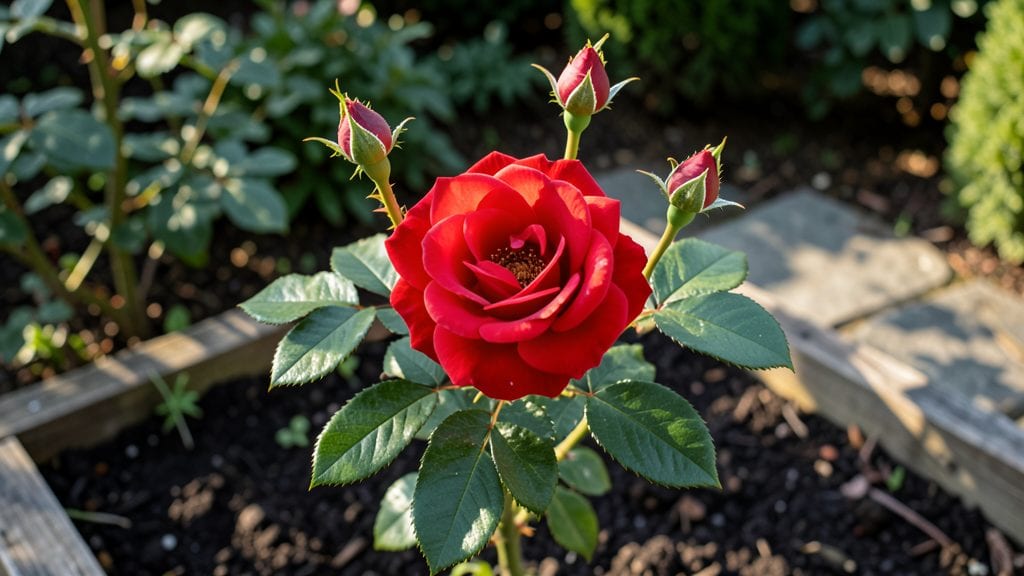
Growing a flower red rose in the Pacific Northwest means defying the damp, cool climate—something I thought was impossible until my first 'Knock Out' rose bloomed in early June. The secret isn’t fancy fertilizers or constant fussing; it’s choosing the right varieties and mimicking their natural habitat.
Roses here need shelter from wind, well-draining soil, and a spot where they get at least 6 hours of sun daily, even if it’s dappled through trees.
Start with cold-hardy types like 'Dr. Huey' or 'The Fairy,' bred to survive our winters without coddling. Plant in early spring when soil warms to 55°F, and amend heavy clay with compost to prevent soggy roots.
Water deeply once a week (more in summer heat), always at the base to avoid fungal diseases. The payoff? Roses that reward you with bold, velvety blooms from late spring through fall, even after our rainy winters.
Pruning might sound scary, but it’s just strategic cutting—remove dead wood in late winter, then shape in early summer to encourage bushier growth. I learned the hard way that skipping this step leads to leggy plants with sparse flowers.
With the right care, your roses will outlast store-bought bouquets, filling your garden with that classic, intoxicating scent for years to come.
Winter prep is key: mulch heavily with straw or leaves, and wrap young canes with burlap if temps drop below 20°F. Even in our wet climate, these roses thrive when given the basics—patience, good drainage, and a little extra love during their first growing season.
📚 In This Guide
- What you need
- Instructions
- Tips and common mistakes
- Wrapping up and next steps
What you need
- ● Cold-hardy red rose varieties: Choose PNW-friendly types like ‘Knock Out®’, ‘Dr. Huey’, or ‘The Fairy’ (3–5 plants, depending on desired coverage).
- ● Bareroot or potted roses: 1–3 plants (bareroot in early spring or fall; potted year-round).
- ● Well-draining soil: Mix 1 part compost, 1 part native soil, and 1 part perlite/sand for loose, aerated beds (5–10 gallons per plant).
- ● Organic mulch: 2–3 inches of wood chips or straw to insulate roots (replenish annually).
- ● Slow-release fertilizer: 10-10-10 or rose-specific granules (1 lb per plant at planting; top-dress in spring).
- ● Pruning tools: Bypass pruners (for clean cuts).
- ● Loppers (for thicker stems).
- ● Disinfectant (rubbing alcohol or bleach solution).
- ● Staking/support: 4–6 ft bamboo stakes + soft ties (for tall varieties like ‘Blaze’).
- ● Drip irrigation or soaker hose: 1–2 ft per plant (or watering can for small gardens).
- ● Epsom salt: 1 tbsp per gallon of water (monthly foliar spray for magnesium boost).
- ● Rose food: Liquid feed (like Fish Emulsion) for mid-season blooms.
- ● Frost cloth: Lightweight fabric to protect new growth in late frosts.
- ● Compost tea: Homemade or store-bought to enrich soil microbes.
- ● Garden gloves + knee pads: For comfy, mess-free planting!
How to grow cold-hardy red roses in the Pacific Northwest
Here's how to coax vibrant red blooms through our region's damp, cool climate—without fighting nature.
Choose the Right Varieties for Cold Resistance
Not all red roses thrive in the Pacific Northwest's USDA Zones 7-9. Look for David Austin English roses or Knock Out roses—both handle our damp winters and cooler summers better than hybrid teas. I always pick 'Gertrude Jekyll' or 'William Shakespeare' for their disease resistance and 100+ days of bloom time. These varieties stay healthy with less fuss than fussy cut roses.
Check the chilling hours requirement on the tag—500-1,000 hours below 45°F ensures they'll bloom reliably. Avoid tropical roses like 'Tropicana'—they'll sulk in our cool summers. Your local nursery will have PNW-tested options, so ask for 'Bonica' or 'The Fairy' if you want low-maintenance reds.
Plant in Late Fall or Early Spring
Timing matters more than you'd think. Plant bare-root roses between October and March when the ground isn't frozen, but before spring growth begins. I've learned the hard way—planting in late winter (February) risks frost damage to new shoots, while April plantings often stress roses as they push new growth. Aim for October-November for fall planting or February-March for spring.
Dig a hole twice as wide as the root ball but no deeper—6-8 inches deep is perfect. Amend the native soil with 3 inches of compost (the 2 gallons you mixed) and a handful of bone meal (the ½ cup) to encourage strong root development. Soak the roots in lukewarm water for 10 minutes before placing them in the hole—this prevents transplant shock.
Mulch and Water for Winter Survival
In our rainy climate, mulching saves roses. Spread 4-6 inches of wood chips (the 3 cubic feet you prepared) around the base, keeping it 2 inches away from the stem. This insulates roots in winter and retains moisture in summer. I always replenish mulch in early spring—it breaks down faster than you'd expect.
Water deeply once a week during the first growing season, even if rain falls. Roses need 1-2 inches of water weekly—check by pushing a 6-inch screwdriver into the soil. If it slides in easily, water again. In winter, reduce watering unless we have a dry spell—overwatering in cold soil suffocates roots. A drip irrigation system (like the one you set up) keeps water consistent without wetting leaves, which prevents fungal diseases.
Prune for Pacific Northwest Conditions
Pruning in the PNW isn't like pruning in dry climates. Remove dead or diseased wood first, then cut back one-third of the oldest canes to encourage new growth. I prune right after blooming (June-July) and again in late winter (February) to shape the bush. Avoid heavy pruning in fall—it leaves roses vulnerable to winter dieback.
Always use clean, sharp pruners (the bypass type you have) to make cuts ¼ inch above an outward-facing bud. This ensures new growth faces outward for better air circulation. If you see blackened canes, cut them back to healthy wood immediately—this is a sign of crown rot, common in our damp winters.
Feed and Protect for Continuous Blooms
Feed roses twice a year with balanced fertilizer (the 10-10-10 you mixed). Apply ½ cup in early spring (March) and another ½ cup after the first flush of blooms (June). Avoid high-nitrogen fertilizers—they produce lush foliage but few flowers. I also side-dress with compost (the remaining 1 gallon) in late summer to build soil health for next year.
Watch for rose slugs (tiny snails) and Japanese beetles—they love our roses. Spray with neem oil (the 16 oz you have) in early morning to avoid harming bees. A row cover (like the lightweight one you bought) protects buds during late spring frosts, which can ruin opening blooms. If you see powdery mildew (white fuzzy spots), spray with baking soda solution (1 tbsp per gallon of water) immediately—it's the PNW's most common rose disease.
Tips & tricks for thriving red roses in the Pacific Northwest
These hard-won insights will help your red roses flourish despite our region's unique challenges.
Variety Selection Matters: When choosing between 'Gertrude Jekyll' or 'William Shakespeare' from Step 1, consider your garden's specific conditions. 'Gertrude Jekyll' handles our damp winters exceptionally well, but if you have afternoon shade, 'William Shakespeare' with its slightly smaller blooms thrives better in partial shade. Both varieties' 100+ days of bloom time make them worth the investment, but their different growth habits mean one might suit your space better than the other.
Planting Timing is Critical: The October-November window for fall planting in Step 2 gives roots time to establish before winter, but don't rush—soil should be workable, not frozen. For spring planting, February-March is ideal because by April, roses would be pushing new growth too quickly for our cool, damp climate. I've seen roses planted in April struggle with fungal diseases because the new growth can't handle our frequent spring rains.
Mulching Technique: When applying the 4-6 inches of wood chips in Step 3, create a volcano shape—pile mulch higher at the center and taper it toward the edges. This helps direct water toward the roots while keeping the stem dry, which prevents crown rot. The 2 inches away from the stem guideline is crucial—piling mulch against the stem creates a moist environment that invites fungal growth.
Pruning Precision: In Step 4, when cutting back one-third of the oldest canes, look for canes that are thinner than a pencil or have multiple years of growth. These are the ones to remove to encourage new, vigorous growth. The ¼ inch above an outward-facing bud cut ensures new growth will spread outward, improving air circulation and reducing disease risk in our damp climate.
Pro Tips for Flower Red Rose
- These hard-won insights will help your red roses flourish despite our region's unique challenges.
- Variety Selection Matters: When choosing between 'Gertrude Jekyll' or 'William Shakespeare' from Step 1, consider your garden's specific conditions.
- Planting Timing is Critical: The October-November window for fall planting in Step 2 gives roots time to establish before winter, but don't rush—soil should be workable, not frozen.
Frequently asked questions
Got questions about growing cold-hardy red roses in the Pacific Northwest?
You’re not alone! Here are answers to the most common concerns—from planting tips to troubleshooting—so you can cultivate stunning blooms with confidence.
What’s the best time to plant red roses in the PNW?
Plant bare-root roses in early spring (March–April) or early fall (September–October) for best results. Avoid summer heat or winter frost—both can stress young roots. If buying potted roses, plant anytime the soil isn’t frozen. Pro tip: Soak bare roots in water for 2–4 hours before planting to revive them!
How cold-hardy are red roses in the Pacific Northwest?
Many hybrid teas and floribundas thrive in USDA Zones 5–9, making them ideal for PNW winters (Zone 7–9). Look for varieties like ‘Knock Out’ or ‘Dr. Huey’—they survive temps down to –15°F (–26°C) with proper mulching. Troubleshoot: If buds blacken in harsh winters, wrap canes with burlap or use frost cloth.
Do red roses need full sun, and what’s the PNW workaround?
Yes! Red roses crave 6+ hours of direct sun daily. In shady PNW yards, choose partial-sun spots (e.g., near a south-facing fence) or opt for shade-tolerant varieties like ‘The Fairy.’ If sunlight is limited, supplement with a grow light during winter’s short days.
What pests should I watch for, and how do I treat them?
Common PNW pests include aphids, rose slugs, and Japanese beetles. For mild infestations, spray with neem oil or a soapy water mix. Severe cases? Use horticultural oil or introduce ladybugs. Prevent tip: Prune regularly to improve airflow and deter pests.
Why aren’t my red roses blooming as much as expected?
Lack of blooms often stems from over-pruning, poor nutrition, or stress. Ensure you’re pruning in late winter (not summer) and fertilizing with rose-specific food every 4–6 weeks. Check: Are canes healthy? Yellow leaves may signal nitrogen deficiency—balance your fertilizer!
Can I grow red roses in containers in the PNW?
Dwarf varieties like ‘Playboy’ or ‘Bonica’ thrive in 5-gallon+ containers. Use well-draining soil, a time-release fertilizer, and move pots to a sunny spot in winter if temps drop below 20°F (–7°C). Bonus: Container roses bloom earlier in spring!
Wrapping up and next steps
The red rose isn’t just a symbol of love—it’s a resilient, cold-hardy gem perfect for the Pacific Northwest’s climate! 🌸 With the right soil, sunlight, and care, you can cultivate stunning blooms that thrive year after year.
Whether you’re a seasoned gardener or a beginner, this guide gives you the tools to succeed.
Now that you’re armed with knowledge, take the next step—plant your first cutting or nurture an existing rose bush. Watch as your garden transforms into a fragrant, vibrant haven. Happy growing! 🌱