
Tools
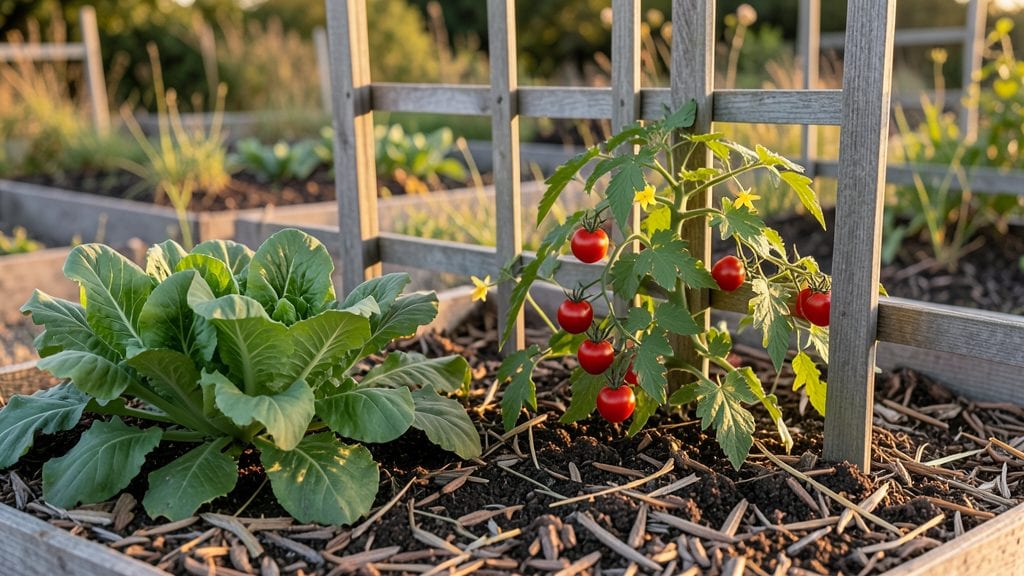
A flower and veggie garden isn’t just possible—it’s the secret to a thriving, buzzing ecosystem right in your backyard. 🌸 I once transformed a patch of dead grass into a space that fed my family and kept bees humming all summer long.
The key? Smart design that blends beauty with bounty without either suffering.
Start with raised beds or borders to separate plant families while keeping them close—herbs near tomatoes, marigolds around peppers, and sunflowers anchoring the back. This isn’t just aesthetics; it’s a pollinator highway where every bloom and leaf serves a purpose, from attracting bees to confusing pests.
Even small spaces work with vertical trellises or tiered containers.
By mid-summer, you’ll have vibrant blooms and heavy harvests simultaneously—tomatoes ripening under basil’s shade while zinnias lure butterflies. The best part? Your garden becomes a self-sustaining machine: fewer pests, better pollination, and soil that stays rich year after year. Here’s how to map it out.
This layout adapts to any season—plant cool-weather crops in early spring, succession-sow veggies through summer, and let flowers like asters keep the show going into frost. The design keeps evolving, just like your green thumb. Let’s sketch your first bed together.
📚 In This Guide
- What you need
- Instructions
- Tips and common mistakes
- Wrapping up and next steps
What you need
- ● Garden beds or containers: 2–4 raised beds (4’x8’ or similar) or 10–15 large containers (12"–18" deep) with drainage holes.
- ● High-quality soil: 1–2 cubic yards of blank">organic compost mix (or 50% topsoil + 50% compost blend).
- ● Mulch: 2–3 bags of wood chips, straw, or shredded leaves (for moisture retention and weed control).
- ● Organic fertilizer: 1–2 bags of blank">balanced, slow-release fertilizer (e.g., 10-10-10) or compost tea.
- ● Seeds/seedlings: Flowers (pollinator magnets): 20–30 plants of bee balm, lavender, sunflowers, cosmos, or marigolds.
- ● Vegetables (seasonal picks): 10–15 plants of tomatoes, peppers, lettuce, herbs (basil, cilantro), and carrots.
- ● Hand tools: Trowel, pruners, garden fork, and long-handled weeder.
- ○ Watering: Hose with adjustable nozzle or drip irrigation kit (optional but highly recommended).
- ● Protective gear: Gardening gloves, knee pads, and a wide-brimmed hat.
- ○ Optional upgrades: Soil pH tester (to optimize growing conditions).
- ● Trellis or stakes (for climbing plants like beans or cucumbers).
- ● Bird netting (to protect veggies from pests).
- ● Location: 6+ hours of sunlight daily (south-facing ideal).
- ● Water access: Nearby spigot or rainwater collection system.
- ● Time commitment: 1–2 hours/week for maintenance (watering, weeding, harvesting).
- ● Knowledge: Basic understanding of companion planting (e.g., pair basil with tomatoes!).
Step-by-Step instructions for designing a pollinator-friendly garden
Here’s how to create a thriving space that supports bees, butterflies, and beneficial insects—while delivering stunning blooms and fresh produce.
🌱 Step 1: Plan Your Pollinator Zones
Start by dividing your space into three key zones: early-season bloomers (March–May), mid-season stars (June–August), and late-season sustainers (September–November). Early bloomers like borage and calendula feed emerging pollinators, while late-season asters and goldenrod keep them fueled until frost. I sketch a rough layout on graph paper, marking sun exposure and water access—this ensures every pollinator has food and shelter year-round.
Place veggie crops strategically near their pollinator companions. For example, squash thrives next to marigolds, which deter pests while attracting bees. Avoid monocultures—mixed plantings create a dynamic ecosystem where pollinators linger longer. A 5-foot by 5-foot plot of native wildflowers can support dozens of bee species alone.
☀️ Step 2: Select Pollinator-Preferred Plants
Prioritize native perennials and annuals with flat, open flowers that make it easy for bees to access nectar. Top picks include bee balm (for hummingbirds), lavender (for bees and butterflies), and dill (for swallowtail caterpillars). Avoid double-flowered varieties—they often lack pollen. I always include sunflowers for their sheer volume of nectar and clover for ground cover that stays lush all season.
For veggies, choose open-pollinated varieties like zucchini or cucumbers—they rely on bees, unlike self-pollinating tomatoes. Plant herbs such as basil and thyme near veggies; their strong fragrance repels pests while attracting beneficial insects. A 3-foot border of coneflowers and black-eyed Susans will keep pollinators visiting your garden for months.
💧 Step 3: Optimize for Water and Shelter
Pollinators need shallow water sources—a birdbath with pebbles or a small dish filled with marbles prevents drowning. Place water stations in partial shade to avoid evaporation. I add a muddy patch in one corner; bees collect mud for nest-building, and it’s a simple way to support solitary species. Avoid pesticides entirely—even "organic" sprays can harm pollinators.
Provide vertical structure with trellises for climbing plants like morning glories or nasturtiums, and dense shrubs (such as butterfly bush) for shelter. Leave some bare soil or leaf litter in corners—ground-nesting bees rely on it. A small brush pile in a shady spot offers refuge for butterflies and ladybugs during heatwaves.
✂️ Step 4: Maintain for Continuous Bloom
Deadhead spent blooms weekly to encourage new flowers, but leave some seed heads for overwintering insects. Mulch heavily with straw or wood chips to retain moisture and regulate soil temperature—pollinators avoid stressed plants. I fertilize lightly with compost tea in early spring to boost growth without overstimulating foliage at the expense of flowers.
Rotate crops annually to prevent soil depletion and pest buildup. Succession plant fast-blooming annuals like cosmos every 6 weeks to ensure a nonstop nectar supply. A small compost bin keeps nutrients cycling, and drip irrigation delivers water efficiently without disturbing pollinators. Watch for leaf miners or aphids—handpick them early to protect your garden’s balance.
⏰ Step 5: Monitor and Adapt Seasonally
Keep a simple journal tracking pollinator visits—note which plants attract the most bees or butterflies. Adjust plantings based on what thrives. In early spring, add pansies and violets for cold-hardy color; in fall, plant sedum and heather for late-season support. I always leave one patch of native grasses uncut until winter—it provides winter food and shelter for insects.
By late autumn, collect seeds from your best-performing flowers to sow the following year. Prune back perennials like bee balm or coneflowers in early spring before new growth starts. A pollinator garden isn’t static—it evolves with the insects it supports. The more you observe, the more your garden will flourish both for you and its tiny visitors.
Tips & tricks for a thriving pollinator garden
Here's what nobody tells you—these are the details that separate a pretty garden from one that truly buzzes with life.
Seasonal Layering: The key to year-round pollinator support lies in overlapping bloom times. In Step 1, when planning your zones, consider adding winter aconite (for early spring) and Russian sage (for late fall) to bridge the gaps between your existing seasonal plants. These additions ensure pollinators have continuous access to nectar, even during transitional months when other plants might be dormant. This layered approach creates a "green wave" effect that keeps your garden vibrant and functional throughout all seasons.
Plant Pairing Strategy: In Step 2, when selecting your pollinator-preferred plants, pair them intentionally with their veggie companions. For example, plant basil near your tomatoes—the basil's strong scent repels pests while attracting beneficial wasps that prey on tomato hornworms. This companion planting technique creates a natural pest control system while maximizing pollinator activity. I've found that bees are particularly drawn to dill and coriander when planted near squash and cucumbers, resulting in better fruit set and healthier plants.
Water Source Innovation: For Step 3's water optimization, go beyond just birdbaths. Create a "pollinator water bar" using a shallow tray filled with smooth pebbles and a small amount of water. The pebbles provide grip for tiny legs while the water remains accessible. Place this near your sunflowers and bee balm where you observe the most activity. This simple upgrade prevents drowning while offering a reliable water source—something that can make the difference between a garden that's visited occasionally and one that becomes a pollinator hotspot.
Maintenance Mindset: When you reach Step 4's maintenance routine, think of yourself as a garden curator rather than just a gardener. The weekly deadheading you're instructed to do isn't just about aesthetics—it's about signaling to pollinators that there's always fresh nectar available. However, leave those seed heads for overwintering insects, creating a natural food source that extends your garden's value beyond the growing season. This balance between renewal and preservation is what transforms a garden from seasonal to truly year-round beneficial.
Pro Tips for Flower And Veggie Garden
- Here's what nobody tells you—these are the details that separate a pretty garden from one that truly buzzes with life.
- Seasonal Layering: The key to year-round pollinator support lies in overlapping bloom times.
- Plant Pairing Strategy: In Step 2, when selecting your pollinator-preferred plants, pair them intentionally with their veggie companions.
Frequently asked questions
Got questions about blending flowers and veggies in your garden? You’re not alone! Here are some of the most common queries—and their practical answers—to help you create a thriving, pollinator-friendly space.
What’s the best way to arrange flowers and veggies together?
Plant flowers near (not on top of) your veggies to attract pollinators without shading them. Use tall flowers like sunflowers or cosmos at the back, medium-height herbs (basil, dill) in the middle, and low-growing blooms (marigolds, nasturtiums) around the edges. This keeps bees buzzing while maximizing sunlight for veggies!
When is the ideal time to start a flower-and-veggie garden?
Start in early spring (4–6 weeks before your last frost date) for cool-season crops (lettuce, peas) and flowers (pansies, snapdragons). Warm-season plants (tomatoes, zucchini) and sun-loving blooms (zinnias, lavender) go in after the soil warms (60°F+). For year-round beauty, stagger plantings every 2–3 weeks!
Which flowers attract the most pollinators?
Prioritize native flowers like coneflowers, bee balm, and milkweed—they’re pollinator magnets! Other top picks: marigolds (deter pests), borage (double-duty for bees and flavor), and alyssum (tiny but mighty for hoverflies). Avoid double-flowered varieties (e.g., some petunias)—they’re pretty but skip the pollen party!
Can I grow flowers and veggies in containers?
Use large pots (12"+ diameter) for tomatoes, peppers, or herbs, and smaller ones for lettuce, radishes, or trailing flowers like nasturtiums. Mix in compost and ensure drainage. Just avoid overcrowding—stick to 1–2 veggie plants per container and tuck flowers around the edges. Bonus: Containers let you move plants to follow the sun!
Why are my veggies not producing, even with flowers nearby?
Check these fixes:
Pollinator shortage? Add more flowers (aim for continuous blooms from spring to fall).
Wrong flowers? Swap non-native blooms for local favorites.
Timing issue? Some veggies (like squash) need bees at dawn; others (tomatoes) thrive midday.
Pest problem? Flowers like marigolds or garlic chives can repel pests naturally.
If the issue persists, hand-pollinate with a soft brush or gently shake plants.Wrapping up and next steps
Creating a flower and veggie garden that thrives with pollinators isn’t just rewarding—it’s a gift to nature and your table! 🌸🐝 By blending beauty with bounty, you’ve designed a space that supports wildlife, boosts yields, and keeps your garden vibrant year-round.
Whether you’re a beginner or a seasoned green thumb, every small step—like choosing the right plants or mulching wisely—makes a big difference.
Now that you’re armed with the know-how, roll up your sleeves and get planting! Start small if needed, but take that first shovel into the soil with confidence. Your garden will thank you—and so will the bees, butterflies, and future harvests. Happy gardening! 🌱✨