
Shrubs
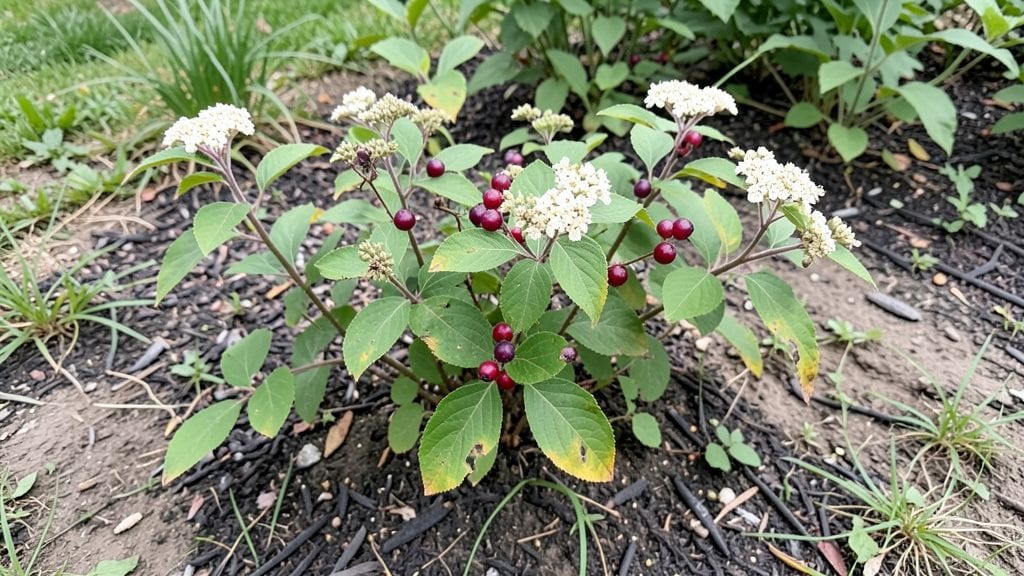
Fall flowering bushes keep the Pacific Northwest garden alive when most plants have called it quits. 🌿 I’ve watched my late-season hydrangeas and viburnums hold their own through October’s chill, proving that autumn can be just as vibrant as summer—if you pick the right plants.
The secret lies in varieties bred to thrive in zones 7-9, where cool nights and damp air would normally send blooms packing.
These bushes don’t just survive—they shine. Think pink hydrangeas that deepen to burgundy, golden asters that attract pollinators until frost, and viburnums with clusters of berries that feed birds through winter.
They handle pruning in early spring, need minimal fertilizer after establishment, and often rebloom the following year if you protect them from late frosts with a light blanket of mulch or burlap.
What you’ll end up with is a backyard that stays lively when neighbors’ gardens go quiet. The colors—deep purples, fiery oranges, and creamy whites—create a natural palette that pairs beautifully with evergreens and fall foliage.
Plus, these bushes are tough enough to handle the PNW’s infamous wind and rain without flinching.
Whether you’re filling a sunny border, adding height to a shady corner, or creating a wildlife-friendly hedge, these varieties adapt to almost any spot. Let’s get you the exact list of plants and care tips to make your fall garden the envy of the neighborhood.
📚 In This Guide
- What you need
- Instructions
- Tips and common mistakes
- Wrapping up and next steps
What you need
- ● Fall-blooming shrubs: 3–5 plants (e.g., Weigela florida, Abelia x grandiflora, or Hydrangea paniculata varieties like 'Limelight'). Choose 1–2 gallon containers for mature plants or smaller pots for younger shrubs.
- ● High-quality potting soil: 2–3 cubic feet (for planting in-ground) or 1–2 bags (for containers). Opt for a mix with compost and mycorrhizal fungi for root health.
- ● Organic mulch: 2–3 bags (cedar or pine bark works well). Spread 2–3 inches around the base to retain moisture and regulate soil temperature.
- ● Slow-release fertilizer: 10–15 lb bag (10-10-10 or organic options like fish emulsion). Use sparingly—over-fertilizing can harm frost-sensitive roots.
- ● Garden trowel or spade: For digging holes (6–12 inches wide and deep, depending on root ball size).
- ● Garden gloves: Heavy-duty to protect hands from thorns (e.g., Hydrangea varieties) and rough bark.
- ● Watering can or hose with adjustable nozzle: A gentle spray setting helps settle soil around roots without displacing them.
- ● Pruning shears: Sharp, bypass-style shears for shaping and deadheading spent blooms.
- ● Measuring tape: To ensure proper spacing (check plant tags for specific needs).
- ● Soil amendments: 1–2 bags of peat moss or compost to improve drainage in clay-heavy PNW soils.
- ● Epsom salt: A small bag for magnesium boost (especially for Hydrangeas to enhance bloom color).
- ● Frost cloth: 1–2 rolls (for young plants or early frosts).
- ● Plant markers: Stakes or labels to track varieties and planting dates.
- ● Drip irrigation kit: For automated watering (ideal for fall’s unpredictable rain).
How to select and plant fall-blooming shrubs for Pacific Northwest gardens
Here's my go-to approach for choosing and establishing hardy shrubs that thrive in fall's cooler, wetter climate.
🌿 Step 1: Choose Varieties That Thrive in Your Zone
For the Pacific Northwest's zones 7-9, focus on shrubs that handle 50-60°F nights and occasional frost while still producing vibrant blooms. My top picks include Weigela (with its trumpet-shaped flowers), Fothergilla (for brilliant fall foliage), and Viburnum varieties like 'Cayuga' that bloom well into November.
Look for labeled plants that say "fall-blooming" or "extended season" on the tag. These are bred specifically to push their blooming period later than standard varieties. You'll notice the flower clusters appear smaller but last longer—some varieties like Abelia produce tiny white blooms that persist even when temperatures dip below 45°F.
🪴 Step 2: Prepare Planting Sites with Proper Drainage
Fall planting works best when soil temperatures stay above 40°F—aim for late September through early October. Choose locations with partial shade to full sun, depending on your specific shrub. Most Pacific Northwest natives like Oregon grape holly tolerate morning sun and afternoon shade, while spirea varieties thrive in full sun.
Amend heavy clay soil with 2-3 inches of compost mixed into the top 12 inches of planting hole. The Northwest's wet winters mean poor drainage is the #1 killer of newly planted shrubs. Test your site by digging a 1-foot deep hole—if water pools after 30 minutes, raise the planting area or create a mound.
☀️ Step 3: Plant at the Right Depth and Water Thoroughly
Dig a hole twice as wide as the root ball but no deeper. The top of the root ball should sit 1 inch above ground level—this prevents stem rot during our wet winters. Gently loosen roots that circle tightly before placing the shrub in the hole. You'll see new root growth along the loosened areas within 4-6 weeks.
Backfill with native soil mixed with 1 part compost and water immediately until the soil settles. The hole should fill completely—don't leave air pockets. Create a 2-inch deep watering basin around the base and add 1 gallon of water per inch of trunk diameter. A 3-inch diameter shrub needs about 3 gallons right after planting.
⏰ Step 4: Mulch and Protect for Winter Establishment
Spread 3 inches of wood chips or bark mulch over the root zone, keeping it 6 inches away from the stem to prevent rot. This mulch layer will insulate roots through our 40-50°F winter nights while allowing water penetration. Replenish mulch each spring as it breaks down.
For the first winter, consider wrapping young shrubs with burlap during freeze events below 25°F. Most Pacific Northwest varieties handle our winters well, but newly planted shrubs need extra protection. You'll notice healthier spring regrowth from protected plants—look for vibrant green buds rather than brown, shriveled ones in spring.
Tips & tricks for perfect fall flowering bushes in Pacific Northwest gardens
These simple strategies will help you select and establish shrubs that thrive in our region's unique climate.
Variety Selection: When choosing shrubs in Step 1, prioritize those labeled "fall-blooming" or "extended season" on the tag. These varieties are specifically bred to handle our 50-60°F nights and occasional frost while producing vibrant blooms. For maximum impact, mix species with different bloom times—like Weigela's trumpet-shaped flowers and Viburnum's late-November blooms—to extend your garden's color season.
Soil Preparation: In Step 2, don't skip the 30-minute drainage test—this simple check prevents the #1 killer of newly planted shrubs in our wet climate. If water pools after 30 minutes, consider creating a raised bed or mound rather than amending the entire planting area. The Northwest's heavy clay soil benefits from this extra attention to drainage.
Planting Depth: The 1-inch above ground level rule in Step 3 is critical—it prevents stem rot during our damp winters. After planting, gently press down the soil around the root ball to eliminate air pockets, then water immediately. This creates better soil contact and helps establish roots faster in our cool fall temperatures.
Winter Protection: For first-year shrubs in Step 4, consider adding a layer of straw mulch over the wood chips for extra insulation during freeze events below 25°F. This creates a cozy blanket effect that protects tender new roots while still allowing water penetration. The vibrant green buds you'll see in spring are your reward for this extra care!
Pro Tips for Fall Flowering Bushes
- These simple strategies will help you select and establish shrubs that thrive in our region's unique climate.
- Variety Selection: When choosing shrubs in Step 1, prioritize those labeled "fall-blooming" or "extended season" on the tag.
- Soil Preparation: In Step 2, don't skip the 30-minute drainage test—this simple check prevents the #1 killer of newly planted shrubs in our wet climate.
Frequently asked questions
Got questions about adding fall-blooming bushes to your Pacific Northwest garden? Here are some answers to help you get started—from timing to care tips!
When is the best time to plant fall flowering bushes?
Plant them in early fall (September–October) for the best results. This gives roots time to establish before winter, while avoiding the heat stress of summer planting. Just avoid planting too close to frost—aim for 4–6 weeks before the first hard freeze.
Can these bushes handle PNW winters?
Most fall-blooming varieties like Weigela, Abelia, or Hydrangea are hardy to USDA Zones 5–9, thriving in PNW’s mild winters. Just mulch around the base in late fall to protect roots from temperature swings. Pro tip: Prune lightly in late winter to encourage fresh growth.
How do I extend their blooming season?
Deadhead spent flowers regularly (but not after Labor Day—let some seed heads form for winter interest!). Choose varieties like Cotoneaster or Viburnum, which bloom on old wood. Water deeply 1–2 times weekly during dry spells to keep blooms vibrant.
What pests should I watch for in PNW?
Keep an eye out for aphids, spider mites, or scale insects—common in PNW gardens. Spray with neem oil or insecticidal soap early in the season. Prevention tip: Plant marigolds or lavender nearby to deter pests naturally! Bonus: Birds love the berries on some varieties (like Pyracantha) and help control insects.
What’s a low-maintenance alternative for busy gardeners?
Try Oakleaf Hydrangea or Butterfly Bush (Buddleia)—both bloom late summer to fall, tolerate shade, and need minimal pruning. Buddleia also attracts pollinators! For evergreen options, Pieris Japonica offers year-round interest with minimal fuss.
Why aren’t my bushes flowering this fall?
Check these common culprits:
- Over-fertilizing with nitrogen (promotes leaves, not blooms). Use a balanced 10-10-10 fertilizer in early spring instead.
- Too much shade—most need 6+ hours of sun for optimal blooms.
- Pruning at the wrong time (e.g., cutting back after buds form). Prune right after flowering for spring-bloomers or late winter for fall varieties.
Wrapping up and next steps
Fall is the perfect time to transform your Pacific Northwest garden into a vibrant, long-lasting oasis—without sacrificing resilience! 🍂 From hardy cottage pinks to bold coral bells, these frost-tough bushes not only thrive in your climate but also reward you with months of stunning blooms.
Whether you’re a seasoned gardener or just starting, now’s the time to plant, prune, or simply admire the beauty these varieties bring.
Ready to take the next step? Sketch a quick plan—note your sun exposure, soil type, and favorite colors—then head to your local nursery or online supplier. Your fall garden sanctuary awaits! 🌸