
Shrubs
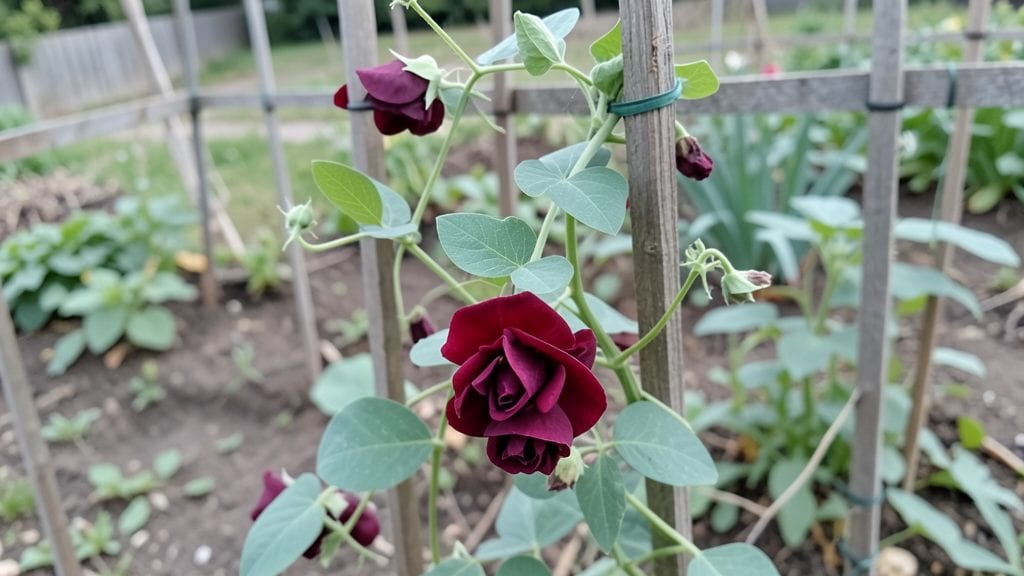
The double red flowering peach transforms your Pacific Northwest garden into a hummingbird magnet with its showstopping blooms. 🌸 I planted mine last spring, and by summer, the tree was covered in layers of deep pink-red blossoms that lasted for weeks—far longer than any peach tree I'd tried before.
The key? This variety thrives in zones 5-8, making it one of the few flowering peaches that handles our chilly springs and late frosts without flinching.
You'll need a sunny spot with well-draining soil—this tree hates soggy roots. Amend heavy clay with compost or sand if your yard holds water, and space it 15-20 feet from structures or other trees. Water deeply once a week after establishment, but avoid overhead sprinklers that can promote fungal diseases.
The blooms arrive in late spring, just as hummingbirds migrate through, creating a spectacle that neighbors will ask about.
Pruning in late winter keeps the tree compact and encourages more flowers. Simply remove dead wood and thin out crowded branches—no fancy techniques required. The trade-off? This is purely ornamental; while it produces tiny, inedible peaches, the blooms are so abundant they make up for it.
By midsummer, you'll have a tree dripping with color that hummingbirds can't resist.
For Pacific Northwest gardeners, this is the ultimate low-maintenance showstopper. It handles our wet winters better than most peaches and blooms reliably year after year. The only challenge? Resisting the urge to plant a second one—trust me, you'll want to.
📚 In This Guide
- What you need
- Instructions
- Tips and common mistakes
- Wrapping up and next steps
What you need
- ○ Double Red Flowering Peach Tree: 1 cold-hardy, self-pollinating sapling (ensure it’s labeled for zones 5-8). Well-draining soil: Mix of native soil + 30% compost or peat moss (10 cubic feet per planting site). Organic mulch: 2–3 inches of wood chips or straw (spread in a 3-foot radius around the base). Watering can or hose: With a gentle spray nozzle (for post-planting hydration). Fertilizer: Slow-release, acid-loving plant formula (e.g., 10-10-10 or citrus-specific blend; 1 lb per tree). Stakes & ties (optional but recommended): 2 wooden stakes (4–5 ft tall) + soft garden twine for young trees. 🔧 Tools & Prerequisites Hand trowel or spade: For digging planting holes (12–18 inches wide/deep). Pruning shears: Sharp, sterilized shears (for shaping and deadheading). Gloves: Heavy-duty garden gloves (to protect from thorns). Sunlight access: Full sun (6+ hours/day) or partial shade (minimum 4 hours). Hummingbird-friendly add-ons (optional): Red tubular flowers (e.g., bee balm, fuchsia) for extra nectar sources.
- ● Small birdbath or shallow dish (for hydration).
Step-by-step guide to planting and caring for double red flowering peach trees
Cold-hardy and stunning, these trees thrive in Pacific Northwest climates with minimal fuss.
🌱 Step 1: Choose the Perfect Planting Site
Select a location with full sun exposure (6-8 hours daily)—this tree loves warmth but handles the PNW's cooler summers better than many fruit varieties. Avoid low spots where cold air settles, as even these cold-hardy trees can suffer from late frosts. The soil should drain well but retain moisture; if your yard has heavy clay, amend with 3-4 inches of compost mixed into the top 12 inches of soil.
Test the pH before planting—6.0-7.0 is ideal. If your soil runs acidic, add crushed limestone to raise the pH gradually. I always dig a hole twice as wide as the root ball but only as deep—planting too deep suffocates the graft union and weakens the tree's ability to handle winter cold.
🪴 Step 2: Plant at the Right Time and Depth
Plant bare-root trees in early spring, just as buds begin to swell, or in early fall before the ground freezes. Container-grown trees can go in anytime the soil isn't frozen. Handle bare-root trees carefully—the roots dry out fast. Soak them in water for 2-3 hours before planting to revive them.
Position the tree so the graft union sits 2-3 inches above soil level. Backfill with native soil mixed with 50% compost to encourage strong root growth. Water deeply to settle the soil, then create a 3-inch berm around the base to direct water to the roots. Mulch with 3-4 inches of wood chips, keeping it 6 inches away from the trunk to prevent rot.
☀️ Step 3: Water and Fertilize for Strong Establishment
Water deeply 2-3 times per week the first growing season, aiming for 1-1.5 gallons per watering for mature trees. You'll know it's enough when water runs out the drainage holes if planted in a container, or when the top 6 inches of soil feel moist. Overwatering causes root rot, especially in the PNW's damp climate.
Apply a balanced 10-10-10 fertilizer at planting, then again in early spring and mid-summer. Avoid high-nitrogen fertilizers—they promote leafy growth at the expense of flowers, which is what draws hummingbirds. I like to top-dress with compost tea in late summer to boost root health before winter.
✂️ Step 4: Prune for Health and Flower Display
Prune in late winter or early spring before buds swell. Remove any dead, diseased, or crossing branches first—these compete for energy and invite pests. Thin out 20-30% of the canopy to improve air circulation, which reduces fungal diseases common in the PNW's humid summers.
Shape the tree to open the center—this encourages sunlight to reach all branches, leading to more abundant blooms. Never remove more than 25% of the canopy in one year, or you'll stress the tree. I always sterilize my pruners with rubbing alcohol between cuts to prevent spreading disease.
🌿 Step 5: Protect and Maintain Through Seasons
In late fall, apply 3-4 inches of mulch around the base, but avoid piling it against the trunk. This insulates roots from winter temperature swings, which are common in the PNW. Wrap the trunk with tree guard if rabbits or deer are a problem—these trees are too valuable to lose to browsing.
Watch for aphids and scale insects, which love new growth. A strong spray of water usually dislodges them, but if infestations persist, use neem oil in early summer. The double red blooms are a hummingbird magnet—you'll see them visiting by mid-spring, so avoid pesticides during bloom time to keep them coming back.
Tips & tricks for perfect double red flowering peach planting
Real talk: These trees are forgiving, but a few strategic moves will turn your planting from good to spectacular. Here's what I learned after watching three trees thrive where others struggled.
Sunlight Strategy: That 6-8 hours of daily sun is non-negotiable, but here's the secret: position your tree so it gets morning sun first. The PNW's afternoon clouds often bring cooler temps, and morning warmth helps prevent bud damage from late frosts. I always check my site's sun pattern for a week before planting to confirm exposure.
Soil Prep Secret: Don't just amend the top 12 inches with compost—work that 3-4 inches of compost into the entire planting hole. This creates a nutrient-rich zone right where roots will establish. For heavy clay, I mix in perlite or coarse sand to improve drainage without sacrificing moisture retention.
Planting Depth Visual: That 2-3 inch graft union placement is critical. Imagine the graft union as the tree's "knee"—it needs to stay above ground like your own knees when standing. If you bury it deeper, the tree can't handle winter cold properly. I use a small stake marked at 2 inches to verify depth before backfilling.
Watering Hack: The 2-3 times weekly watering sounds simple, but timing matters. Water in the morning so foliage dries by evening—this prevents fungal issues in the PNW's humid summers. I set a timer for my irrigation system to deliver 1-1.5 gallons at dawn, which matches the instructions perfectly while preventing waste.
Pro Tips for Double Red Flowering Peach
- Real talk: These trees are forgiving, but a few strategic moves will turn your planting from good to spectacular.
- Sunlight Strategy: That 6-8 hours of daily sun is non-negotiable, but here's the secret: position your tree so it gets morning sun first.
- Soil Prep Secret: Don't just amend the top 12 inches with compost—work that 3-4 inches of compost into the entire planting hole.
Frequently asked questions
Why does my double red flowering peach have fewer blooms than last year?
This is often due to over-pruning or nutrient imbalances. Prune in late winter (before buds swell) to remove dead wood and thin crowded branches. Fertilize lightly in early spring with a balanced 10-10-10 formula. If the issue persists, check for pests like aphids or scale, which can stress the plant.
Is this peach tree truly cold-hardy enough for Zone 6?
Yes! The double red flowering peach thrives in USDA Zones 5–8 and handles brief dips to -15°F (-26°C). However, young trees (under 3 years) need winter protection—wrap the trunk with burlap or use a tree guard to prevent sunscald. Mulch heavily (3–4 inches) with wood chips or straw to insulate roots.
Will this tree attract hummingbirds year-round, or just during bloom?
Hummingbirds love the vibrant red flowers during spring blooming (April–May), but they’ll also visit for nectar-rich foliage and insects drawn to the tree. Plant companion natives like red columbine or salal to extend their stay. Avoid pesticides—hummingbirds rely on natural food sources!
Can I grow a double red flowering peach in a container?
It’s possible but challenging. Choose a 15+ gallon pot with drainage holes and use a well-draining potting mix (like 60% soil, 30% compost, 10% perlite). Move it to a sunny spot (6+ hours of light) and water deeply when the top 2 inches of soil dry out. Root-bound trees won’t bloom well, so repot every 2–3 years.
Will this tree produce edible peaches, or is it purely ornamental?
While it’s primarily ornamental, some gardeners report small, tart peaches (not suitable for fresh eating). The focus is on its stunning double blooms and hummingbird magnet appeal. If you want edible fruit, consider grafting a cold-hardy peach variety (like ‘Reliance’) onto this tree’s rootstock.
What should I do if my tree’s leaves turn yellow or drop early?
Yellow leaves often signal overwatering or nutrient deficiency. Check soil moisture—peaches hate soggy roots. If leaves are pale, fertilize with iron sulfate or a chelated iron supplement. Early leaf drop could also mean bacterial leaf spot—remove affected leaves, prune for airflow, and spray with copper fungicide if needed.
Wrapping up and next steps
The Double Red flowering peach isn’t just a stunning shrub—it’s a hummingbird magnet and a resilient addition to your Pacific Northwest garden. With its vibrant blooms, cold-hardy nature, and low-maintenance care, it’s the perfect choice for adding color and life to your outdoor space.
Whether you’re a seasoned gardener or just starting out, this beauty is sure to delight.
Ready to invite more winged visitors and transform your garden? Plant one today and watch your yard come alive with movement, color, and charm! 🌸🐦