
Flowers
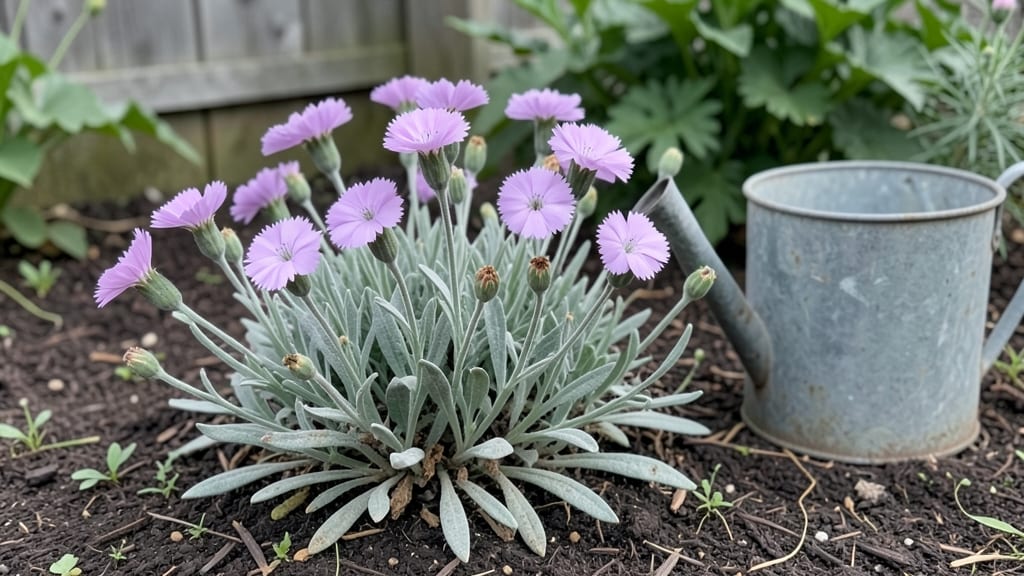
Mastering dianthus flower care in the Pacific Northwest means embracing their frost-resistant charm while avoiding the pitfalls that turn pretty blooms into sad, leggy stems—here’s how I’ve done it for years. 🌿 Mediterranean roots to our damp, cool climate.
The key? Well-draining soil, strategic pruning, and knowing when to let them hibernate through winter.
Dianthus thrives in full sun to partial shade, but in PNW’s overcast summers, they’ll reward you with more blooms if you give them at least 6 hours of direct sunlight.
They’re drought-tolerant once established, so watering deeply once a week (or less in winter) keeps roots happy without inviting rot. The soil? Sandy or gravelly mixes work best—think of it as giving them the same dry, rocky conditions they’d find in their native hillsides.
Pruning is where the magic happens. After their first flush of blooms, snip back stems by one-third to encourage bushier growth. In fall, cut back half the plant to prep for winter, and in spring, trim again just as new growth appears.
Fertilize lightly in early spring with a balanced 10-10-10—too much nitrogen sends them into leafy overload instead of blooms. The payoff? Clusters of fragrant pink, red, or white flowers that last from early summer through fall.
Winter care is simple: mulch lightly with straw or leaves to protect roots from freeze-thaw cycles, but don’t smother them. If snow blankets your garden, let it sit—it’s better insulation than anything you’ll add.
By spring, you’ll see those tough stems pushing through, ready for another season of color. The best part? These plants handle our rainy winters better than most, as long as you avoid soggy soil.
📚 In This Guide
- What you need
- Instructions
- Tips and common mistakes
- Wrapping up and next steps
What you need
- ● Dianthus plants: Choose frost-hardy varieties like Dianthus barbatus (Sweet William) or Dianthus gratianopolitanus (Cheddar Pink). Buy 6-12 plants (depending on desired coverage).
- ● Well-draining soil: 50 lbs of garden loam + 20 lbs perlite or coarse sand (mix 3:1 ratio) to prevent root rot.
- ● Organic compost: 10-15 lbs (work into soil for nutrients).
- ● Mulch: 2-3 inches of straw or shredded bark (protects roots in winter).
- ● Slow-release fertilizer: 1 lb 10-10-10 or 5-10-5 (sprinkle at planting).
- ● Garden trowel (for transplanting).
- ● Garden fork (to loosen soil).
- ● Pruners (sharp, sterilized for trimming).
- ● Watering can or hose with gentle spray nozzle (avoid wetting foliage).
- ● Gloves (to protect hands from thorns).
- ○ Row covers or frost cloth (optional, for extra winter protection).
- ● Sunlight: Full sun (6+ hours/day)—choose a south-facing spot.
- ● pH level: 6.0–7.0 (test soil with a pH kit; amend if needed).
- ● Spacing: 12–18 inches apart (for airflow and growth).
- ● Drainage: Avoid low spots where water pools (dianthus hates soggy roots!).
Step-by-Step guide for growing Pacific Northwest frost-resistant dianthus
Here's how to keep your dianthus thriving through our chilly, damp winters and rainy summers.
🌱 Step 1: Choose the Right Varieties for Your Climate
Select dianthus varieties bred for cold hardiness, like 'Firewitch' or 'Matrona' series, which handle 20°F without damage. These Pacific Northwest favorites bloom reliably even after light frosts. I always check the USDA hardiness zone rating—aim for Zone 5 or higher to match our region's winters.
Look for silvery foliage as a visual cue—it's a natural indicator of drought tolerance, which helps dianthus survive our wet springs. Avoid tender annual types; they won't survive our winters. Start with established plants from local nurseries—they're already adapted to our climate.
☀️ Step 2: Plant in Full Sun with Excellent Drainage
Dianthus needs 6+ hours of direct sun daily to produce its signature fragrant blooms. In the PNW, that means south-facing spots with morning sun and afternoon shade in summer. I plant mine where they get full sun until 3 PM—after that, the afternoon heat can stress them.
Use well-draining soil—dianthus roots rot quickly in soggy conditions. Amend heavy native soil with 1 part perlite to 3 parts garden soil before planting. A simple test: press your finger into the soil—if water pools instead of draining within 10 minutes, add more gritty material.
💧 Step 3: Water Deeply but Infrequently
Water once a week during dry spells, aiming for 1 inch of water per week. Let the soil dry completely between waterings—dianthus hates wet feet. I use a soaker hose to deliver water at the base, avoiding the foliage to prevent fungal issues.
Check moisture by lifting a plant gently—if the soil feels damp 1 inch below the surface, wait another day. Overwatering causes the classic yellowing leaves that many gardeners mistake for nutrient issues. In winter, reduce watering to every 2-3 weeks unless we have a dry spell.
✂️ Step 4: Deadhead and Prune for Continuous Blooms
Remove spent blooms by pinching them off just above the next set of leaves. This encourages nonstop flowering from spring through fall. I do this every 2-3 days during peak bloom—it's a quick job that pays off with lush plants.
After the first flush of blooms, cut back leggy stems by one-third to promote bushier growth. The best time is right after flowering, when new growth appears. Avoid heavy pruning in late summer—you'll sacrifice fall blooms. Always use clean, sharp shears to prevent disease transmission.
🌿 Step 5: Prepare for Winter Dormancy
When nighttime temperatures drop below 40°F, stop fertilizing and reduce watering. Dianthus enters dormancy naturally, but a 2-inch layer of mulch protects roots from freeze-thaw cycles. I use shredded bark because it breaks down slowly and improves soil structure over time.
In late winter, when you see new growth emerging, remove the mulch and fertilize lightly with a balanced 10-10-10 formula. This jumpstarts spring blooms. Watch for purple-tinged new leaves—that's your signal to resume regular care. Our PNW winters are mild enough that dianthus rarely needs winter protection beyond mulch.
Tips & tricks for perfect dianthus flower care
Here's what nobody tells you about keeping your dianthus thriving in our unpredictable PNW climate.
Variety Selection: The 20°F hardiness rating isn't just about survival—it's about performance. Varieties like 'Firewitch' and 'Matrona' not only withstand cold but actually bloom better after light frosts. I've seen them produce their second flush of flowers in early spring when other plants are just waking up. That silvery foliage you're looking for? It's nature's way of saying "drought-resistant," which is crucial for our rainy springs.
Sunlight Strategy: Those 6+ hours of direct sun are non-negotiable, but timing matters just as much. In Step 2, when you're choosing your planting spot, remember that afternoon sun after 3 PM can actually stress your plants. Look for locations where they get morning sun and afternoon shade—this is especially important in our hotter summer months when the sun can be intense. A little afternoon shade makes a big difference in plant health.
Watering Wisdom: The once-a-week rule works, but there's a trick to making it foolproof. In Step 3, when you're checking moisture, dig your finger down to that 1-inch mark—if it's damp, wait another day. I've found that using a soaker hose not only delivers water efficiently but also keeps the foliage dry, which prevents those pesky fungal issues that can ruin your plants. And in winter, when you reduce to every 2-3 weeks, check for dry spells—our PNW winters can be surprisingly dry sometimes.
Pruning Precision: That 2-3 day deadheading schedule during peak bloom might seem frequent, but it's what keeps your plants looking their best. The key is to pinch just above the next set of leaves—this encourages new growth while maintaining that bushy shape. And when you're doing that one-third pruning after the first flush, timing is everything. Wait until you see new growth appearing before you cut back, or you might be pruning away potential blooms for the next season.
Pro Tips for Dianthus Flower Care
- Here's what nobody tells you about keeping your dianthus thriving in our unpredictable PNW climate.
- Variety Selection: The 20°F hardiness rating isn't just about survival—it's about performance.
- Sunlight Strategy: Those 6+ hours of direct sun are non-negotiable, but timing matters just as much.
Frequently asked questions
Got questions about keeping your dianthus flowers thriving in the Pacific Northwest’s cool, frosty climate? You’re not alone! Here are some of the most common concerns—and their easy solutions.
Can dianthus survive winter in the PNW?
Many Dianthus varieties, like Dianthus barbatus (Sweet William) or Dianthus chinensis, are hardy down to USDA Zones 3–9. In the PNW, mulch with 3–4 inches of straw or wood chips after the first frost to insulate roots. Evergreen boughs can also shield tender foliage from windburn. Pro tip: Avoid heavy mulch in spring—wait until soil warms to prevent rot. →
When should I prune dianthus for best blooms?
Prune right after flowering to encourage a second flush of blooms. For perennial types, cut back one-third of the plant in early spring (March–April) to shape it and remove dead growth. Avoid heavy pruning in fall—it can stress the plant before winter. Deadhead spent blooms throughout the season to redirect energy to new flowers.
Why are my dianthus leaves turning yellow?
Yellow leaves usually signal overwatering or poor drainage. Dianthus thrives in well-draining soil—amend clay-heavy PNW soil with sand or grit (like perlite). Ensure pots have drainage holes, and water only when the top inch of soil is dry. Fungal issues? Space plants for airflow and avoid wetting foliage when watering. →
Can I grow dianthus in containers?
Yes! Container-grown dianthus loves it—just use a fast-draining mix (like cactus/succulent blend) and a pot with holes. Choose compact varieties (e.g., Dianthus gratianopolitanus) for small spaces. Move pots to protected spots in winter (e.g., against a north-facing wall) to shield from frost. Bonus: Containers warm up faster in spring, giving you earlier blooms!
What pests should I watch for with dianthus?
Common culprits include aphids, slugs, and spider mites. Aphids? Blast off with water or use neem oil. Slugs? Set out beer traps or copper barriers. For mites, increase humidity (mist plants lightly) and inspect undersides of leaves. Prevention tip: Healthy plants resist pests—fertilize lightly (balanced 10-10-10) and avoid overcrowding. →
Wrapping up and next steps
Caring for dianthus flowers in the Pacific Northwest is all about embracing their hardy nature while giving them the right conditions to thrive.
With well-draining soil, proper spacing, and a little seasonal attention, you’ll enjoy vibrant blooms year after year—even through frost! 🌸 Whether you’re a beginner or a seasoned gardener, these tips make it simple and rewarding.
Ready to level up your garden? Grab your gloves, pick a sunny spot, and start planting—your future blooms will thank you! For extra inspiration, explore dianthus varieties or check out local PNW gardening communities to share your progress. Happy gardening! 🌿