
Flowers
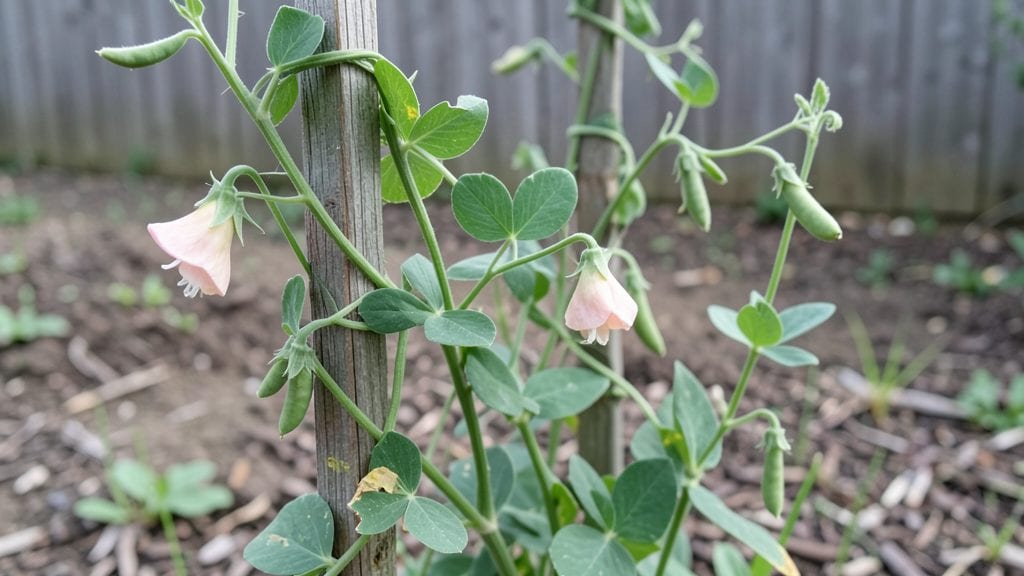
Climbing sweet pea flowers transform any garden into a fragrant paradise with their delicate blooms and intoxicating scent. 🌸 I still remember the first time I walked into a sweet pea-filled garden—it smelled like a mix of honey and spring rain, and I knew I had to grow them myself.
These vines aren’t just pretty; they’re the kind of plants that make neighbors stop and ask, “What is that amazing smell?”
The secret to their success starts with the right setup: well-draining soil, a sturdy trellis, and consistent care. Sweet peas thrive in cooler weather, making them perfect for early spring or fall planting, and they’ll reward you with blooms from late spring until frost.
The key is keeping them happy with regular watering, gentle pruning, and a little extra support as they climb—because nothing beats watching those fragrant flowers spill over a trellis like a living waterfall.
By midsummer, your garden will be alive with color and filled with the sweetest aroma imaginable. These flowers aren’t just beautiful—they’re hardy, long-blooming, and perfect for cutting or enjoying in containers.
With the right care, you’ll have a vine that keeps giving, season after season, turning even the simplest corner of your yard into a fragrant escape.
Whether you’re growing them along a fence, up a trellis, or in hanging baskets, sweet peas adapt beautifully to different spaces. The best part? They’re beginner-friendly but still exciting enough to keep experienced gardeners hooked. Let’s get those seeds in the ground and start creating your own fragrant garden oasis.
📚 In This Guide
- What you need
- Instructions
- Tips and common mistakes
- Wrapping up and next steps
What you need
- ● Climbing Sweet Pea Seeds: 10–20 seeds (choose heirloom varieties like 'Cupani’ or 'Perfume’ for extra fragrance).
- ● Garden Soil: Well-draining, fertile mix (or potting soil for containers).
- ● Support Structure: Trellis, fence, or obelisk (at least 4–6 ft tall).
- ● Watering Can or Hose: With a gentle spray nozzle.
- ● Fertilizer: Balanced (10-10-10) or organic compost (low-nitrogen for flowering).
- ● Pruning Shears: Sharp, clean pair for trimming.
- ● Plant Markers: To label varieties (e.g., bamboo stakes + chalk).
- ● Mulch: Straw or shredded leaves to retain moisture.
- ● Peat Moss or Perlite: For improving drainage in heavy soil.
- ● Trellis Net: For extra support if vines are sprawling.
- ● Hand Trowel: For transplanting seedlings.
- ● Gloves: To protect hands from thorns (some varieties have them!).
Step-by-step instructions for growing fragrant climbing sweet peas
Here's how to coax these delicate vines into a fragrant, blooming cascade—no fuss, just beauty.
🌱 Step 1: Start Seeds Indoors for an Early Jump
Sweet peas thrive when given a head start. Plant seeds 6-8 weeks before your last frost date in 2-3 inch deep pots filled with sterile seed-starting mix. Press 2-3 seeds per pot just below the surface—about ½ inch deep—since they need darkness to germinate. I tap the seed packet gently to release seeds one by one; planting too many in one hole leads to weak, crowded seedlings.
Keep the soil consistently moist but never soggy. Place pots in a warm spot (around 65-75°F) with indirect light. A seedling heat mat speeds germination to 7-14 days, but your room temperature might run cooler, so germination could take a few extra days. Watch for the first tiny leaves—those tell you it's working!
💧 Step 2: Harden Off and Transplant When Ready
Once seedlings show 2-3 sets of true leaves (not the initial seed leaves), start hardening them off. Move pots outside for 1-2 hours daily in a sheltered spot, gradually increasing time over 7-10 days. This toughens stems so they won’t snap when transplanted. I place them near a fence or trellis early to let them "see" where they’ll climb.
Transplant after the last frost when soil warms to 50°F. Bury stems 1-2 inches deeper than they grew in pots—this encourages stronger root growth. Space plants 6-8 inches apart along a trellis or fence. Water deeply right after planting to settle soil around roots, and mulch with 1 inch of straw to retain moisture and deter weeds.
☀️ Step 3: Train Vines and Support Growth
Sweet peas need a sturdy trellis or fence to climb—5-6 feet tall works best. As vines grow, gently weave them through the supports, tying stems with soft twine if needed. I avoid tight knots; a loose loop lets stems flex naturally. Prune any leggy growth that stretches toward the light but doesn’t attach to the trellis—this redirects energy to blooming.
These vines love full sun (6+ hours daily), but afternoon shade in hot climates prevents wilting. Water at the base 1-2 inches deep weekly, letting soil dry slightly between waterings. Overhead watering can cause mildew, so aim the hose at the soil, not the leaves. You’ll know they’re happy when leaves stay deep green and new tendrils appear weekly.
✂️ Step 4: Encourage Continuous Blooms
Deadhead spent blooms by snipping stems just above a set of leaves. This tricks the plant into producing more flowers instead of seed pods. I do this every 2-3 days during peak bloom—it’s a quick habit that keeps vines flowering nonstop. Fertilize lightly with a balanced 10-10-10 mix every 4-6 weeks to support growth without overwhelming the plant.
Sweet peas are self-pollinating, but bees love them too! If blooms aren’t setting seed pods, gently shake the trellis on a sunny morning to help pollination. By mid-summer, you’ll have fragrant clusters of blooms—pinch back leggy stems to keep energy focused on new flowers. The key is consistency: water, deadhead, and support, and these vines will reward you with color until frost.
Tips & tricks for perfect climbing sweet pea flowers
Here's what nobody tells you about growing these fragrant vines that'll make all the difference!
Seed Starting Secret: The 6-8 week indoor start might seem early, but trust me—this is non-negotiable for sweet peas. They grow slowly at first, so you need that head start to beat frost. I use clear plastic domes over my seed trays to maintain humidity without overwatering. This helps prevent that dreaded "damping off" fungus that can wipe out seedlings overnight.
Hardening Off Hack: When you're increasing outdoor time from 1-2 hours to full sun exposure, do it in stages. I place my seedlings near a south-facing window first, then gradually move them to the garden spot. This mimics natural light transitions and prevents shock. Watch for leaves that look slightly wilted—they're telling you to slow down the process.
Trellis Training Technique: Sweet peas are climbers, but they need gentle guidance. Instead of tying stems tightly, I use soft twine in loose figure-eight loops around the trellis. This lets the vines flex naturally as they grow, preventing stem breakage. When training, always guide the main stem upward first—side shoots will follow naturally. The goal is to create a "ladder" for the plant to climb, not a cage.
Bloom Extension Strategy: The 2-3 day deadheading schedule might seem frequent, but it's worth it. I set a timer on my phone for every 48 hours during peak bloom. This consistent habit prevents the plant from wasting energy on seed production. For even longer blooms, I cut back leggy stems to just above a leaf node—this redirects energy to new growth and more flowers.
Pro Tips for Climbing Sweet Pea Flowers
- Here's what nobody tells you about growing these fragrant vines that'll make all the difference!
- Seed Starting Secret: The 6-8 week indoor start might seem early, but trust me—this is non-negotiable for sweet peas.
- Hardening Off Hack: When you're increasing outdoor time from 1-2 hours to full sun exposure, do it in stages.
Frequently asked questions
Got questions about climbing sweet pea flowers? You're not alone!
Here are answers to the most common queries to help you grow these fragrant vines like a pro.
How do I encourage climbing sweet peas to bloom all season?
Prune lightly after the first flush of flowers to remove spent blooms. Regularly fertilize with a balanced, phosphorus-rich feed every 4-6 weeks. Deadheading (removing faded flowers) and pinching back leggy growth will also extend blooming. Pro tip: Plant in a spot with at least 6 hours of sunlight daily for continuous blooms!
Can climbing sweet peas grow in containers?
Use a large container (at least 12 inches deep) with well-draining soil. Add a trellis or obelisk inside the pot for support. Water consistently, as containers dry out faster. Just ensure the pot has drainage holes to prevent root rot. Bonus: Containers make them perfect for balconies or small gardens!
Why aren’t my climbing sweet peas flowering?
Common culprits include insufficient sunlight (they need full sun to partial shade), overcrowding, or lack of nutrients. Check for pests like aphids, which can stress plants. If they’re leggy with few blooms, try moving them to a sunnier spot and fertilize with a bloom booster. Quick fix: Trim back overgrown vines to redirect energy to flowering.
What’s the best way to train climbing sweet peas up a trellis?
Start by gently tying the main stems to the trellis with soft plant ties or twine as they grow. Encourage lateral branches to spread by weaving them through the trellis openings. Avoid wrapping tightly—let the vines grow naturally. Remember: Regular pruning keeps them manageable and promotes bushier growth!
Are climbing sweet peas annuals or perennials?
In most climates, they’re grown as annuals (though they self-seed easily). In mild winter zones (USDA zones 8-10), they may return as perennials. If you love them, save seeds or replant yearly for continuous fragrance. Fun fact: Some varieties, like 'Cupani' or 'Alaska,' are particularly cold-hardy!
Wrapping up and next steps
Climbing sweet pea flowers bring endless charm with their intoxicating fragrance and vibrant blooms—perfect for transforming any garden into a romantic escape! 🌸 Whether you’re a seasoned gardener or just starting, these fragrant vines reward patience with season-long beauty and low-maintenance growth.
Ready to dive in? Grab your seeds, find a trellis, and let the magic of sweet peas unfold!
🌱 Next Steps:
- Start with a small batch of seeds and experiment with colors.
- Share your progress (or blooms!) with fellow gardeners for inspiration.
- Expand your garden with more climbing plants—sweet peas pair beautifully with roses or morning glories!