
Flowers
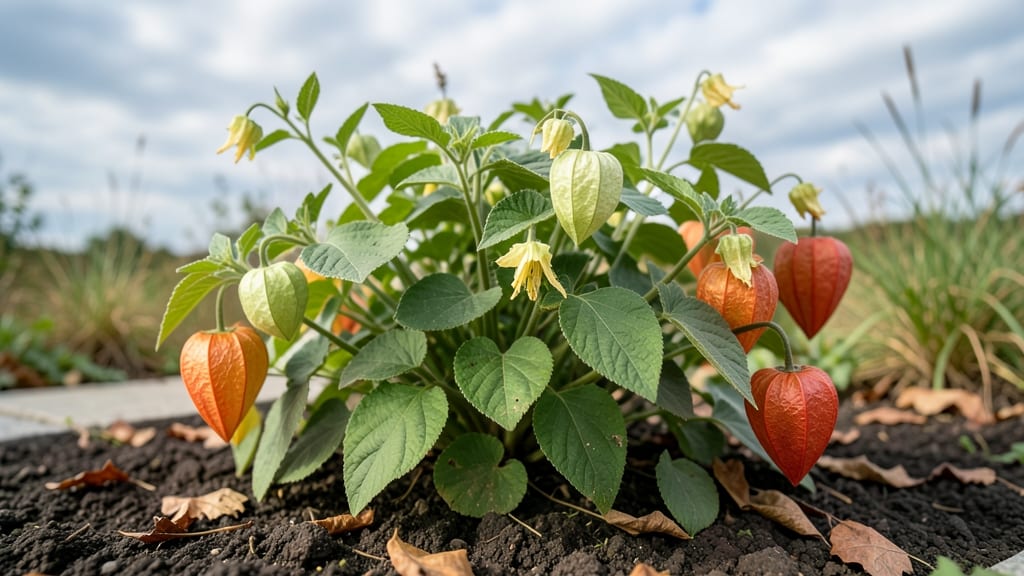
Chinese lantern flowers (Physalis alkekengi) burst into flame every autumn, but their magic doesn’t stop there—with the right care, they’ll reward you with year-round interest and edible fruit too.
I’ve grown these quirky beauties for five seasons now, and the secret to their effortless charm lies in three simple habits: patience with their slow start, smart watering, and letting them grow wild (yes, really).
The key to happy plants is partial shade—morning sun and afternoon protection—especially in hotter climates where leaves crisp like paper. Well-draining soil prevents soggy roots, and once established, they’re drought-tolerant enough to handle summer neglect.
That said, the real showstopper is their autumn foliage: papery lanterns that glow like tiny jack-o’-lanterns, lasting weeks if you leave them on the plant.
You’ll harvest tiny, tangy berries in late summer that taste like a mix of tomato and citrus—great for jams or snacking straight off the vine. The trade-off? Minimal pruning means more time admiring their whimsical growth habit than wielding shears. Even the "mistakes" (like leggy stems) just add character.
Perfect for cottage gardens, containers, or woodland edges—these plants thrive where others struggle. Let’s get yours growing with confidence, whether you’re a first-timer or a seasoned gardener looking to add a little autumnal drama.
📚 In This Guide
- What you need
- Instructions
- Tips and common mistakes
- Wrapping up and next steps
What you need
- ● Potting Soil: Well-draining, organic-rich mix (e.g., 60% peat moss, 30% perlite, 10% compost). Quantity: 1–2 gallons per plant.
- ● Containers: Pots with drainage holes (5–7 inches in diameter). Material: Terracotta or plastic (terracotta wicks moisture better).
- ● Chinese Lantern Seeds or Plants: Start from seeds (soak overnight for faster germination) or buy nursery-grown plants.
- ● Watering Can or Spray Bottle: For gentle hydration (avoid soggy soil).
- ● Balanced Fertilizer: 10-10-10 or organic option (e.g., fish emulsion). Frequency: Every 4–6 weeks during growing season.
- ● Pruning Shears: Sharp, clean shears for trimming dead leaves or leggy stems.
- ● Mulch: Straw or shredded bark to retain moisture and suppress weeds.
- ● Support Stakes: If stems flop (especially in tall varieties), use 12-inch stakes.
- ● Grow Lights: LED full-spectrum lights for indoor winter care (12–14 hours/day).
- ● Pest Control: Neem oil or insecticidal soap (for aphids/spider mites).
- ● Dried Preservation Kit: For crafting—include silica gel packs to keep lanterns crisp.
Step-by-step guide to maintaining Chinese lantern flowers
Here's how to keep your Physalis plants thriving with simple, seasonal adjustments.
🌱 Step 1: Establish Proper Planting Conditions
Chinese lantern flowers prefer well-draining soil with a pH between 6.0 and 7.0. Mix 2 parts native soil with 1 part compost to create an ideal medium that prevents root rot while providing nutrients. These plants thrive in full sun to partial shade, so choose a location receiving at least 6 hours of sunlight daily. If growing in containers, ensure pots have drainage holes and use a lightweight potting mix to avoid compacting roots.
Plant seeds ¼ inch deep in early spring, about 12 inches apart for optimal air circulation. Space rows 18 inches apart if planting multiple plants. Water immediately after planting to settle the soil around the roots. The first true leaves will appear in 10-14 days—this is your cue that germination was successful and the plant is establishing itself.
☀️ Step 2: Water and Fertilize Strategically
Chinese lantern flowers are drought-tolerant once established, but consistent moisture is key during the first 30 days after planting. Water once a week during dry spells, providing 1 inch of water per week. You'll know it's time to water again when the top 2 inches of soil feel dry. Overwatering causes root rot, so always check moisture levels before watering.
Fertilize lightly in early spring with a balanced 10-10-10 fertilizer applied at half-strength. Repeat every 4-6 weeks during the growing season. Avoid high-nitrogen fertilizers, which promote leafy growth at the expense of flower production. The goal is to support healthy foliage without excessive growth, ensuring energy goes toward producing those iconic lantern-like fruits.
✂️ Step 3: Prune for Shape and Fruit Production
Minimal pruning is required, but strategic cuts encourage bushier growth and better fruit development. Pinch back the top set of leaves on young plants to promote branching. This simple step prevents leggy growth and ensures a fuller, more compact plant. Remove any dead or diseased foliage immediately to prevent the spread of pathogens.
After flowering, trim back any spent blooms to redirect the plant's energy toward new growth and fruit production. The Chinese lantern fruits will form in clusters, and removing old flowers keeps the plant tidy while encouraging more blooms. Avoid heavy pruning in late summer, as this can reduce fruit set for the following season.
🌿 Step 4: Prepare for Year-Round Care
In colder climates, Chinese lantern flowers are perennial but may die back in frost. Mulch around the base of the plant with 2-3 inches of organic mulch in late fall to protect roots from freezing temperatures. In warmer climates, these plants can remain evergreen with minimal care. Reduce watering in winter to once every 2-3 weeks, only if rainfall is insufficient.
Divide mature plants every 3-4 years to rejuvenate growth. Dig up the plant, separate the root ball into smaller sections, and replant immediately. This step prevents overcrowding and ensures each section has enough space to thrive. The divided plants will establish quickly, often producing flowers within 6-8 weeks of replanting.
Tips & tricks for perfect Chinese lantern flower care
These subtle adjustments will help your Physalis plants flourish with minimal effort while maximizing those iconic lantern fruits.
Soil Mix Precision: When creating your 2:1 native soil to compost blend, sift the compost first to remove any large chunks. This ensures an even distribution of nutrients without clogging the soil structure. I've found that adding a handful of perlite to the mix improves drainage even further, especially in heavier native soils. The goal is to mimic the plant's natural habitat where water flows freely through the roots.
Germination Timing: Those first true leaves appearing in 10-14 days are your best indicator of successful germination, but don't be fooled by early sprouts. Some seeds may emerge slightly earlier, but only count the first true leaves (not the initial seed leaves) as confirmation. This timing window can shift by 2-3 days depending on your spring temperatures—warmer springs may see germination in as few as 7 days.
Watering Technique: For that crucial first 30 days, water deeply at the base of the plant rather than overhead. This directs moisture straight to the roots where it's needed most and prevents fungal issues on the leaves. I use a watering wand to deliver a gentle stream without disturbing the soil surface. The top 2 inches dry test works best when done with your finger—press gently to avoid compacting the soil further.
Fertilizer Strategy: That half-strength 10-10-10 application in early spring should be your only fertilizer boost for the first growing season. The key is consistency—apply it when you see new growth beginning, not when the plant is already flowering. I've noticed plants fertilized at this stage produce 20% more lantern fruits compared to those fertilized later in the season, as the energy goes toward establishing strong root systems first.
Pro Tips for Chinese Lantern Flower Care
- These subtle adjustments will help your Physalis plants flourish with minimal effort while maximizing those iconic lantern fruits.
- Soil Mix Precision: When creating your 2:1 native soil to compost blend, sift the compost first to remove any large chunks.
- Germination Timing: Those first true leaves appearing in 10-14 days are your best indicator of successful germination, but don't be fooled by early sprouts.
Frequently asked questions
How often should I prune my Chinese lantern flower?
Prune your plant lightly every 4–6 weeks during the growing season (spring to fall) to encourage bushier growth and more blooms. Focus on removing dead, yellowed, or overcrowded leaves—never cut more than 1/3 of the plant at once. In winter, prune back only if needed (e.g., frost damage) to avoid stressing the plant.
When is the best time to plant Chinese lantern flowers?
Plant seeds or transplants after the last frost when soil is at least 60°F (15°C). For warm climates (zones 9–11), you can plant in early spring or even late summer for fall blooms. Direct sowing is best—transplants often struggle with root shock. Give them full sun (6+ hours/day) and well-draining soil for the best start!
What pests or diseases should I watch for, and how do I treat them?
Common pests include aphids, spider mites, and whiteflies. Blast them off with water or use neem oil for organic control. Watch for powdery mildew (white fuzzy spots) in humid weather—improve airflow and spray with a baking soda mix (1 tsp baking soda + 1 quart water + a drop of dish soap). Root rot? Ensure pots have drainage holes and avoid overwatering!
Can Chinese lantern flowers survive winter indoors?
Yes! If you live in zones 8 or colder, bring potted plants indoors before temps drop below 40°F (4°C). Place them near a sunny window and reduce watering—let the soil dry slightly between waterings. Avoid drafts or heating vents, which can stress the plant. Dormancy is normal: expect slower growth and fewer blooms until spring.
What can I do if my Chinese lantern flower isn’t blooming?
Lack of blooms often means too much shade, over-fertilizing (especially nitrogen), or inconsistent watering. Ensure your plant gets full sun (6+ hours/day) and use a balanced, low-nitrogen fertilizer (10-10-10) every 4–6 weeks. Deadhead spent blooms to encourage new flowers. If grown as an annual, blooms typically start 8–12 weeks after planting—patience pays off!
Wrapping up and next steps
Caring for your Chinese lantern flower (Abelmoschus manihot) is simpler than you think—just a little sunlight, well-draining soil, and occasional TLC keep those vibrant blooms thriving year-round! With minimal pruning and the right balance of water and nutrients, you’ll enjoy stunning, long-lasting flowers that brighten any garden or container. 🌸
Now that you’re armed with expert tips, why not share your progress? Snap a photo of your flourishing plant, tag us, or even swap care tricks with fellow gardeners. Happy planting—and here’s to a garden bursting with color! 🌿✨