Flowers
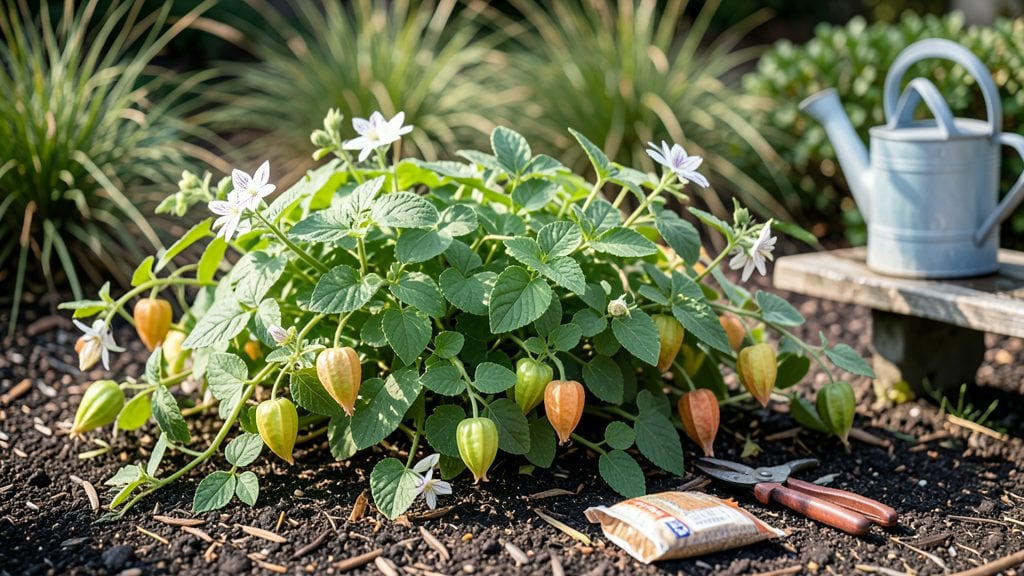
Cultivating cape gooseberry flowers in the Pacific Northwest's partial shade feels like unlocking a secret garden treasure. 🌿 The delicate, lantern-like blooms emerge in late spring, transforming your yard into a whimsical display that attracts pollinators while promising juicy berries later.
This plant thrives where others struggle—dappled sunlight and cooler climates suit it perfectly, making it a standout for shade-loving gardeners.
You’ll need well-draining soil rich in organic matter, a spot with morning sun and afternoon shade, and patience—these plants take about 60 days to flower from seed. The key is consistent moisture without soggy roots, and a light hand with pruning to encourage bushier growth.
Unlike fussy tropicals, cape gooseberries adapt beautifully to our region’s mild summers and damp winters.
What you’ll love most is the dual reward: fragrant, papery blossoms that last weeks, followed by sweet-tart berries perfect for snacking or cooking. The plants stay compact (2-3 feet tall), making them ideal for borders, containers, or even hanging baskets.
With minimal effort, you’ll create a living centerpiece that’s both useful and stunning.
Here’s the best part—these plants reward curiosity with resilience. Even if you miss a watering or two, they bounce back, proving that shade gardening can be just as rewarding as full-sun plots. Let’s get those seeds started or transplants planted!
📚 In This Guide
- What you need
- Instructions
- Tips and common mistakes
- Wrapping up and next steps
What you need
- ● Cape gooseberry plants: Start with Physalis peruviana seeds (organic, non-GMO preferred) or young seedlings from a trusted nursery. Aim for 3–5 plants for a small garden patch.
- ● Well-draining soil: A mix of 60% potting soil + 30% compost + 10% perlite (or coarse sand) to prevent root rot. Test soil pH—ideal range: 6.0–7.0.
- ● Containers or garden bed: Containers: 5–7 gallon pots with drainage holes (terracotta or fabric grow bags work best).
- ● Garden bed: Choose a sun-dappled spot (4–6 hours of partial shade) with loose, fertile soil. Space plants 2–3 feet apart.
- ● Hand trowel (for transplanting seedlings).
- ● Garden gloves (to protect from prickly stems).
- ● Watering can or hose with a gentle nozzle (cape gooseberries dislike soggy roots!).
- ○ Mulch (optional but recommended): 2–3 inches of straw or shredded leaves to retain moisture and suppress weeds.
- ● Fertilizer: Balanced 10-10-10 or organic options like fish emulsion (apply every 4–6 weeks during growing season).
- ● Pruning shears (for shaping vines and removing dead flowers).
- ● Hardiness zone: Cape gooseberries thrive in zones 9–11. In the Pacific Northwest (zones 7–9), grow them as annuals or in containers (they’re frost-sensitive!).
- ● Temperature: Ideal growing range: 60–80°F. Protect from below 40°F (use row covers if needed).
- ● Sunlight: Partial shade (30–50% sunlight) is perfect for the PNW. Avoid harsh afternoon sun.
- ● Watering: Keep soil consistently moist but not waterlogged. Water at the base of plants to prevent fungal issues.
- ● 🌡️ Extend the season: Start seeds indoors 8–10 weeks before last frost (use grow lights if needed).
- ● ✨ Pollination boost: Gently shake plants or attract bees with native wildflowers nearby.
- ● 🔄 Container hack: Add 1 tbsp of Epsom salt to soil monthly for magnesium-rich blooms!
Step-by-step instructions for cultivating cape gooseberry in Pacific Northwest gardens
Here’s how to coax vibrant, shade-tolerant cape gooseberry plants to thrive in your PNW garden.
🌱 Step 1: Choose the Right Location and Prepare Soil
Cape gooseberry plants love partial shade—think 4-6 hours of morning sun with afternoon shade, especially in hotter PNW summers. I always pick a spot with dappled light under deciduous trees or near a north-facing wall. The soil should drain well but retain moisture, so amend heavy clay with 2-3 inches of compost before planting.
Test your soil’s pH—cape gooseberry prefers 6.0-7.0. If your soil runs acidic, mix in 1 pound of garden lime per 100 square feet and work it into the top 12 inches of soil. Avoid fresh manure; it can burn tender roots. Instead, use well-aged compost or a balanced organic fertilizer like 5-5-5.
🌿 Step 2: Plant Seeds or Transplants at the Right Time
Start seeds indoors 8-10 weeks before your last frost date (usually mid-March for the PNW). Use biodegradable pots to avoid root disturbance later. Press seeds ¼ inch deep in moist, warm soil and keep them at 70-75°F until germination, which takes 10-14 days. Once seedlings have 2-3 true leaves, harden them off by gradually exposing them to outdoor conditions for 1-2 weeks before transplanting.
If you’re planting established transplants, wait until after the last frost when soil temperatures reach 55°F. Dig a hole twice as wide as the root ball but only as deep—burying too deep can suffocate the plant. Space plants 2-3 feet apart to allow for bushy growth and airflow, which prevents fungal diseases common in damp PNW climates.
☀️ Step 3: Water and Mulch for Consistent Moisture
Cape gooseberry plants hate soggy roots but need steady moisture, especially in the PNW’s unpredictable rain. Water deeply once a week (or more in dry spells) until the soil is 6 inches deep and evenly moist. Check by sticking your finger into the soil—if it feels dry at that depth, it’s time to water. Early morning is best to reduce evaporation and fungal risks.
Apply 2-3 inches of mulch (straw or shredded leaves work well) around the base of the plant, keeping it 2 inches away from the stem to prevent rot. Mulch conserves moisture, regulates soil temperature, and suppresses weeds—all critical in the PNW’s cool, wet springs. Replenish mulch as it breaks down over the season.
✂️ Step 4: Prune and Support for Bushy Growth and Fruit
Prune in early spring before new growth begins. Remove dead, diseased, or crossing branches to improve airflow and sunlight penetration. Cape gooseberry plants benefit from light pruning to encourage bushier growth—cut back leggy stems by ⅓ to promote branching. Avoid heavy pruning, as it can reduce flowering and fruiting.
Use cage supports or small stakes if plants get top-heavy with fruit. Tie stems gently with soft twine to prevent breakage. In the PNW, where winds can be strong, supports help plants stay upright and productive. Harvest fruits when they turn bright yellow—they’re ready to pick when they detach easily from the plant.
🌿 Step 5: Monitor for Pests and Diseases in PNW Conditions
Watch for aphids, spider mites, and whiteflies, which thrive in the PNW’s humid summers. I spray plants with neem oil (mixed at 1 tablespoon per gallon of water) every 2 weeks as a preventive measure. For fungal issues like powdery mildew—common in shaded, damp conditions—apply baking soda spray (1 teaspoon baking soda + 1 quart water + a drop of dish soap) weekly until the problem clears.
Rotate mulch away from the stem if you notice black spots or wilting, as this can signal overwatering or fungal infection. Cape gooseberry is generally low-maintenance, but these checks keep it flourishing in the PNW’s unique climate. With the right care, you’ll enjoy abundant, flavorful fruit by mid-summer.
Tips & tricks for thriving cape gooseberry flowers in Pacific Northwest gardens
Here's what I've learned from years of growing cape gooseberry in the PNW's unique climate—these tricks will help you avoid common pitfalls and get the most vibrant blooms.
Location and Light Balance: While cape gooseberry thrives in partial shade, the 4-6 hours of morning sun is crucial for flower production. I've found that positioning plants near a north-facing wall captures gentle morning light while avoiding harsh afternoon sun that can scorch delicate leaves. In denser shade areas, supplement with a portable grow light for 2-3 hours daily during cloudy periods to encourage flowering. The key is mimicking natural dappled light conditions.
Soil pH Precision: That 6.0-7.0 pH range isn't just a suggestion—it's critical for nutrient uptake. I've seen plants struggle in soil testing 5.8 or below despite other perfect conditions. Use a digital pH meter for accuracy rather than relying on color charts. For acidic soil, apply garden lime in two applications: half now and half 3 months later. Test again after 6 weeks to confirm you've reached the target range before planting.
Transplanting Timing Secret: The soil temperature of 55°F is your green light for transplanting, but don't rush—wait until nighttime temperatures consistently stay above 50°F. I've learned this the hard way after transplanting too early and watching plants wilt from nighttime chills. For extra protection, cover young transplants with frost cloth for the first week after moving them outdoors, especially in coastal PNW areas where spring can be unpredictable.
Watering Technique: That 6-inch deep watering isn't about volume—it's about saturation. Use a moisture meter to verify you're reaching that depth consistently. In the PNW's rainy climate, the challenge is often overwatering rather than underwatering. I've found that watering deeply once a week (rather than frequent light waterings) encourages deeper root growth. The finger test works, but it's only reliable if you're checking at the same time each week—morning is best for consistency.
Pro Tips for Cape Gooseberry Flower
- Here's what I've learned from years of growing cape gooseberry in the PNW's unique climate—these tricks will help you avoid common pitfalls and get the most vibrant blooms.
- Location and Light Balance: While cape gooseberry thrives in partial shade, the 4-6 hours of morning sun is crucial for flower production.
- Soil pH Precision: That 6.0-7.0 pH range isn't just a suggestion—it's critical for nutrient uptake.
Frequently asked questions
Got questions about growing cape gooseberry flowers?
Here are answers to the most common ones—whether you're a PNW gardener or just curious about these unique plants!
How long does it take for cape gooseberry flowers to bloom?
Cape gooseberry plants (Physalis peruviana) typically take 60–90 days to flower after planting, assuming they’re started from seeds indoors 4–6 weeks before your last frost. If you’re transplanting young plants, expect blooms in 4–6 weeks under ideal conditions (partial shade, well-draining soil, and consistent moisture).
Can cape gooseberry flowers thrive in full shade?
While they tolerate partial shade (especially in hot climates like the PNW), cape gooseberries need at least 4–6 hours of morning sun to produce abundant flowers and fruit. Full shade may result in fewer blooms or leggy growth. If your garden is shady, choose a spot with dappled sunlight or supplement with a grow light for indoor containers.
Why aren’t my cape gooseberry flowers turning into fruit?
Several factors could be at play:
- Pollination issues: Hand-pollinate with a soft brush if bees are scarce.
- Temperature stress: Flowers drop if nights dip below 50°F (10°C) or days exceed 90°F (32°C).
- Nutrient deficiency: Feed with a balanced fertilizer (10-10-10) when buds form.
- Overwatering: Soggy soil can cause buds to rot.
Are cape gooseberry flowers edible, or just the fruit?
Yes! While the fruit (gooseberries) are the star, the delicate flowers and calyxes are also edible and used in gourmet dishes. The petals have a mild, slightly tart flavor and are often candied or used as a garnish. Just avoid pesticides if harvesting for culinary use—opt for organic methods!
What’s a good alternative if cape gooseberries struggle in my climate?
If your zone is too cool or humid, try these similar shade-tolerant, edible-flowering plants:
- Ground cherries (Physalis ixocarpa) – Hardier and fruit earlier.
- Chinese lanterns (Physalis alkekengi) – Ornamental but edible calyxes.
- Nasturtiums (Tropaeolum) – Edible flowers + pest-repellent.
- Calendula – Bright blooms and self-seeding.
Wrapping up and next steps
The cape gooseberry flower is a stunning, low-maintenance gem that thrives in the Pacific Northwest’s partial shade—perfect for gardeners looking to add vibrant color and texture to their spaces. 🌿 With its delicate blooms and edible fruit, it’s a versatile plant that rewards patience with beauty and harvests.
Whether you’re a beginner or seasoned gardener, now’s the time to plant and nurture these charming vines!
Ready to grow? Start by gathering your supplies and follow the steps above—your future cape gooseberry harvest (and Instagram-worthy blooms!) are just a season away. Happy gardening! 🌸