
Flowers
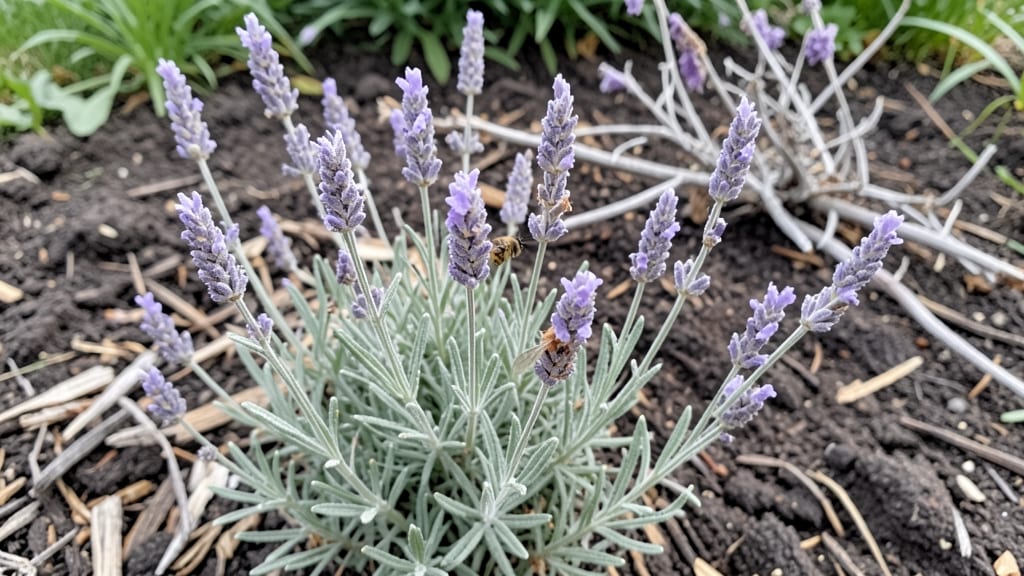
A busy bee’s paradise starts with the right flowers—bee-friendly blooms that buzz with activity from spring to frost. 🌻 I’ve designed this garden to attract bees year-round while packing visual punch, blending practicality with beauty.
The secret lies in layering plants that offer nectar and pollen continuously, ensuring bees never leave empty-handed.
Lavender, sunflowers, and coneflowers form the backbone, but the real magic happens with companion planting. Pairing herbs like thyme with flowers creates a self-sustaining ecosystem where bees linger longer. My garden stays vibrant because I prioritize native species—they’re hardwired to support local pollinators better than anything else.
By summer’s end, you’ll have a garden teeming with bees, hummingbirds, and butterflies—all while enjoying bold colors and textures that outshine typical flower beds. The best part? Fewer pests and more fruit set on nearby veggies, thanks to the pollinators’ hard work.
This approach works for urban balconies or rural acres, adapting to space and climate. Whether you’re a first-time gardener or a seasoned pro, the principles stay the same: plant diversity, avoid pesticides, and provide water. Let’s get your garden buzzing!
📚 In This Guide
- What you need
- Instructions
- Tips and common mistakes
- Wrapping up and next steps
What you need
- ● Flower Seeds: Native wildflowers (e.g., Echinacea purpurea, Rudbeckia hirta, Asclepias tuberosa) – 2–4 packets (mix of colors for variety).
- ● Perennial herbs (e.g., Lavender, Thyme, Basil) – 1–2 packets (bee favorites!).
- ● Soil: Well-draining potting mix or garden soil – 1–2 bags (50 lbs each).
- ○ Compost or organic fertilizer – 1 bag (optional but recommended).
- ● Containers or Garden Space: Containers: 5–10 gallon pots with drainage holes (3–5 units).
- ● Garden Beds: 4’x4’ or larger plot (full sun exposure, 6+ hours/day).
- ● Tools: Trowel or hand shovel – 1.
- ● Garden gloves – 1 pair.
- ● Watering can or hose with spray nozzle – 1.
- ● Pruners (for trimming) – 1.
- ● Mulch (straw or wood chips) – 1 bag (retains moisture, suppresses weeds).
- ● Pebbles or decorative stones – 1 bag (enhances drainage in containers).
- ● Bee-friendly feeder (sugar water) – 1 (for early spring when flowers are sparse).
- ● Plant labels – 10–20 (track varieties and care needs).
- ● Sunlight meter – 1 (ensure optimal light conditions).
How to design a pollinator-friendly flower garden that thrives all year
Here's how to create a garden that keeps bees buzzing season after season.
🌱 Step 1: Choose a Sunlit Location and Prepare the Soil
Select a spot receiving at least 6 hours of direct sun daily—pollinators favor sunny areas where they can forage efficiently. Clear any existing vegetation within a 4-foot radius to give your new plantings room to establish without competition. I like to mark the boundaries with stakes to visualize the space clearly.
Loosen the top 6 inches of soil using a garden fork or tiller, breaking up any compacted layers. Amend the soil with 2-3 inches of compost mixed into the top layer. This improves drainage and provides essential nutrients that pollinator plants crave. Test the soil pH—most bee-friendly flowers thrive in a slightly acidic to neutral range (6.0-7.0). If your soil tests outside this range, adjust with lime or sulfur before planting.
🌿 Step 2: Select a Diverse Mix of Seasonal Bloomers
Plant a combination of early, mid, and late-season flowers to ensure continuous blooms. Start with native species like purple coneflower, black-eyed Susan, and bee balm—they've co-evolved with local pollinators and provide the best nutrition. For year-round interest, include evergreens like heather or winter honeysuckle that offer late-season nectar when other plants have finished blooming.
Space plants according to their mature size—typically 18-24 inches apart for perennials. Group flowers with similar water needs together to simplify maintenance. I always include a few fast-growing annuals like cosmos or zinnias to fill gaps and provide instant color. These annuals also attract bees quickly, giving your garden an immediate pollinator draw.
☀️ Step 3: Plant with Pollinator Needs in Mind
Dig holes twice as wide as the root ball but only as deep as the container's base level. Gently remove plants from their containers and tease apart any circling roots. Place each plant in its hole, ensuring the top of the root ball sits level with the surrounding soil—burying too deep can suffocate stems. Backfill with native soil, pressing lightly to eliminate air pockets around the roots.
Water deeply right after planting to settle the soil and encourage root contact. Use 1-2 gallons of water per plant for established perennials, or ½ gallon for annuals. Avoid wetting the foliage to prevent fungal diseases. Mulch with 2-3 inches of organic mulch (like shredded bark) around each plant, keeping it 2 inches away from stems to prevent rot. This conserves moisture and regulates soil temperature—critical for pollinator health.
💧 Step 4: Maintain with Pollinator-Focused Care
Water deeply once a week during dry spells, aiming for 1-1.5 inches of water per week. Early morning watering prevents evaporation and fungal issues. You'll know your watering is right when the soil feels moist 2 inches below the surface. Overwatering creates soggy conditions that deter pollinators, while underwatering stresses plants and reduces flower production.
Deadhead spent blooms regularly to encourage continuous flowering. I like to do this every 2-3 weeks during peak bloom seasons. Fertilize lightly in early spring with a balanced, organic fertilizer (10-10-10 ratio) to support vigorous growth without promoting excessive foliage at the expense of flowers. Avoid high-nitrogen fertilizers—they produce lush leaves but fewer blooms, which means less food for bees.
✂️ Step 5: Create a Year-Round Pollinator Oasis
In late fall, cut back perennial stems to 6 inches above the ground. This tidies up the garden and allows sunlight to reach the soil, warming it earlier in spring. Leave seed heads on a few plants—they provide winter food for birds and shelter for beneficial insects. I always leave one or two of each variety standing for this purpose.
Add water sources like a shallow birdbath with pebbles for landing spots. Fill it every 2-3 days during warm weather to prevent mosquito breeding. Place it near—but not directly in—the flower beds so pollinators can easily access both food and water. This simple addition can double the number of bees visiting your garden, especially during dry spells when natural water sources are scarce.
Tips & tricks for perfect pollinator-friendly flower gardens
Real talk: The devil's in the details when it comes to creating a thriving pollinator garden. Here's what nobody tells you—these small tweaks make all the difference between a garden that buzzes with life and one that just looks pretty.
Location is Everything: That 6 hours of direct sun requirement isn't just a suggestion—it's non-negotiable for most pollinator plants. I've seen gardens fail spectacularly because they were planted in partial shade. If your yard only gets 4-5 hours of sun, focus on shade-tolerant varieties like asters or goldenrod instead. And here's a pro move: Use a sun calculator app to track sunlight patterns for a week before planting—you might discover microclimates in your yard you didn't know existed.
Soil Science Matters: The 6.0-7.0 pH range is your sweet spot, but don't stress if your soil tests outside this. I've had amazing results with slightly alkaline soil by amending it with 1-2 inches of peat moss mixed into the top layer. For compacted clay soil, work in 3-4 inches of coarse sand to improve drainage. Remember, pollinators need healthy plants that aren't struggling to access nutrients—good soil is their foundation.
Plant Placement Strategy: When spacing those 18-24 inches apart perennials, think like a bee. Place taller flowers toward the back and shorter ones in front to create landing platforms. I like to create "beeline pathways" by planting in rows that lead from the garden entrance to the center. This isn't just aesthetic—it makes it easier for pollinators to navigate your garden efficiently. And for that 4-foot radius clearing? Use it to create a "pollinator runway" free of competing weeds that might steal nutrients.
Watering Wisdom: That 1-1.5 inches per week guideline is perfect, but timing is everything. I've learned the hard way that late afternoon watering can promote fungal diseases. Stick to early morning watering, and if you must water in the evening, make sure foliage has plenty of time to dry before nightfall. For the water sources, add a few flat stones around the birdbath—bees need them to safely land and drink without drowning. This simple addition can literally double your bee traffic during dry spells.
Pro Tips for Busy Bee Flowers
- Real talk: The devil's in the details when it comes to creating a thriving pollinator garden.
- Location is Everything: That 6 hours of direct sun requirement isn't just a suggestion—it's non-negotiable for most pollinator plants.
- Soil Science Matters: The 6.0-7.0 pH range is your sweet spot, but don't stress if your soil tests outside this.
Frequently asked questions
Got questions about creating a busy bee flowers haven? We’ve got answers! Whether you’re a newbie gardener or a seasoned pro, these FAQs will help you design a thriving pollinator paradise that keeps bees buzzing all year long.
What are the best flowers to attract bees year-round?
For busy bee flowers, focus on native plants like bee balm, lavender, coneflowers, and sunflowers. These blooms provide nectar and pollen from early spring to late fall. Add winter jasmine or helichrysum for winter interest. Pro tip: Mix perennials with annuals (like marigolds) for continuous color!
How long does it take for a bee-friendly garden to thrive?
With proper care, you’ll see bees within 4-6 weeks once flowers bloom! However, a fully established busy bee flowers garden—packed with diverse blooms and pollinator-friendly features—takes 1-2 years. Start with fast-growing annuals for instant results, then layer in perennials for long-term success.
Do I need to fertilize bee-attracting flowers?
Most busy bee flowers thrive with minimal fertilization. Overdoing it can harm bees or produce weaker blooms. Instead, enrich soil with compost in early spring. Avoid synthetic fertilizers high in nitrogen—they promote leafy growth over flowers. Pro tip: Mulch with straw to retain moisture and deter weeds!
What should I do if bees aren’t visiting my garden?
If your busy bee flowers aren’t getting visitors, check these fixes:
- Water source: Add a shallow dish with pebbles for safe drinking.
- Pesticides: Skip chemical sprays—opt for neem oil or companion planting (e.g., basil with tomatoes).
- Timing: Plant flowers that bloom at different times (e.g., crocus in spring + goldenrod in fall).
- Location: Place flowers near fences or walls for easy bee access.
Can I grow busy bee flowers in containers or small spaces?
Use window boxes, hanging baskets, or raised beds for compact busy bee flowers. Choose dwarf varieties like mini sunflowers or thyme. Ensure containers have drainage holes and place them near sunny spots (6+ hours of light). Pro tip: Rotate pots seasonally to maximize bloom cycles!
Wrapping up and next steps
Creating a Busy Bee Flowers garden isn’t just about beauty—it’s about nurturing life and joy! With the right mix of native plants, thoughtful design, and a little patience, you’ll craft a thriving pollinator paradise that blooms year-round. 🌸🐝
Ready to take the next step? Start small—plant a single patch or expand gradually—and watch as your garden becomes a buzzing, blooming haven. Share your progress with fellow gardeners or even local wildlife enthusiasts; every little effort makes a difference!