
Flowers
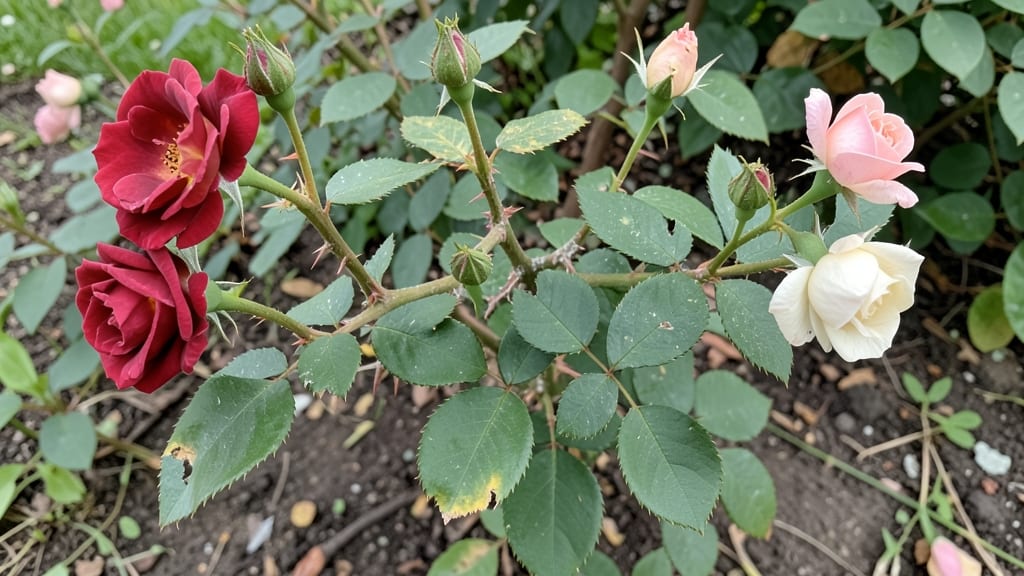
Bouquet roses aren’t just flowers—they’re the Pacific Northwest’s secret weapon for year-round color, turning gardens into living canvases. 🌿 I’ve seen them transform dull borders into vibrant statements, their layered petals catching the misty light like stained glass.
These roses thrive where others struggle, blooming from spring through frost with minimal fuss.
The magic lies in how you use them. Plant them in clusters along pathways where their fragrance drifts with the breeze, or let them spill over trellises for a romantic, cottage-core effect.
Pair them with silver foliage like lamb’s ear or the soft blues of delphiniums to make their colors pop even more.
You’ll end up with a garden that feels alive in every season—spring’s soft pinks, summer’s deep reds, and autumn’s fiery oranges. The best part? They attract pollinators all year, turning your yard into a buzzing, blooming ecosystem. Let’s make your garden the talk of the neighborhood.
Whether you’re working with a small patio or a sprawling yard, bouquet roses adapt beautifully. Start with a single cluster as a statement piece, then expand as you fall in love with their effortless charm.
The key is placement—give them room to shine, and they’ll repay you with color that lasts.
📚 In This Guide
- What you need
- Instructions
- Tips and common mistakes
- Wrapping up and next steps
What you need
- ● Rose flowers: 12–20 stems (mix varieties for texture—try David Austin English Roses or Knock Out Roses for PNW resilience). Choose fresh, fully bloomed roses with vibrant petals.
- ● Floral preservative: 1 packet (or 1 tsp powdered mix) to extend vase life by 3–5 days.
- ● Floral foam: 1 block (size medium, ~6" x 6" x 4") or a reusable vase with a foam insert (eco-friendly option!).
- ● Scissors or floral shears: 1 pair (clean, sharp blades to prevent crushing stems).
- ● Vase: 1 medium-sized vase (8–12" tall) with a narrow neck to hold stems securely.
- ● Water: 1–2 gallons (fresh, lukewarm water to avoid shocking stems).
- ● Filler flowers: 5–10 stems of hypericum berries or dahlias (for depth and PNW-inspired pops of color).
- ● Greenery: 3–5 sprigs of eucalyptus or salal leaves (native to the PNW, adds texture and fragrance).
- ● Ribbon or twine: 1 roll (for wrapping stems or adding a rustic touch).
- ● Floral tape or wire: Small rolls (to secure stems or create unique shapes).
- ● Dried elements: Dried lavender or rose petals (for a whimsical, layered look).
- ● 🌡️ Prep your roses: Trim stems at a 45-degree angle and soak in water for 1–2 hours before arranging to hydrate them.
- ● ✨ PNW-friendly blooms: Opt for roses in deep reds, soft pinks, or creamy whites—they’ll complement the region’s misty, moody vibes!
- ● 🔄 Eco-conscious swap: Use a reusable glass vase with a sponge base instead of floral foam to reduce waste.
Step-by-Step guide to growing stunning bouquet roses in the Pacific Northwest
Here's how to cultivate these vibrant blooms year-round with minimal fuss.
🌱 Step 1: Select the Right Varieties for Your Climate
Pacific Northwest's mild, wet winters and cool summers make certain rose varieties thrive. I always choose David Austin English roses or Knock Out roses—they're disease-resistant and bloom repeatedly. Avoid delicate hybrid teas that struggle with our damp conditions. Check your microclimate: coastal areas get more rain, while inland spots have hotter summers.
Buy bare-root roses in late winter (February-March) or container-grown plants in spring. If starting from cuttings, take them in early summer when new growth is vigorous. The key is selecting varieties bred for 4-6 weeks of bloom time—longer than most garden roses.
☀️ Step 2: Prepare the Planting Site with Proper Drainage
Roses hate soggy roots, so amend your soil with 3-4 inches of compost and work in 1 part perlite to every 3 parts native soil. The Pacific Northwest's heavy clay needs this extra drainage boost. I dig a hole twice as wide as the root ball but only as deep—planting too deep suffocates the graft union.
Add a handful of bone meal fertilizer to the bottom of the hole for phosphorus to encourage root growth. Space plants 3-4 feet apart to allow airflow and prevent fungal diseases. Here's the thing—if your soil stays wet for more than 48 hours after rain, you'll need to mound soil around the base to create a slight elevation.
💧 Step 3: Water Deeply and Establish a Consistent Routine
Water newly planted roses deeply once a week rather than lightly daily. The goal is to encourage deep root growth—aim for 1-1.5 gallons per plant each session. In our rainy climate, you'll need to adjust: check soil moisture by sticking your finger 2 inches deep. If it's damp, wait; if dry, water thoroughly.
Mulch with 3 inches of wood chips around the base (keep it 6 inches away from the stem) to retain moisture and regulate temperature. I always water in the morning so foliage dries quickly—this prevents fungal spores from taking hold. You'll know you're doing it right when you see new growth within 4-6 weeks.
✂️ Step 4: Prune for Continuous Blooms and Disease Prevention
Prune roses in late winter (February) before new growth starts. Remove any dead, diseased, or crossing branches first. Then cut back last year's growth by one-third to encourage bushier growth. I make cuts at 45-degree angles, just above an outward-facing bud.
Throughout the growing season, deadhead spent blooms immediately to encourage more flowers. In our damp climate, I also spray with neem oil every 2-3 weeks as a preventative measure. Don't skip this—black spot fungus thrives in our rainy summers. You'll see the difference in just 2-3 weeks of consistent care.
🌿 Step 5: Feed and Protect for Year-Round Color
Apply a balanced rose fertilizer (10-10-10) every 6-8 weeks starting in early spring. Switch to a low-nitrogen, high-phosphorus formula (5-10-10) when buds form to promote blooming. In fall, add composted manure to replenish nutrients for next year's growth.
For winter protection, mound soil or mulch around the base up to the graft union. In particularly cold winters (below 10°F), wrap canes with burlap. I've found that David Austin roses handle our winters better than most, but even they appreciate this extra care. With this routine, you'll get continuous blooms from spring through fall—and sometimes even winter.
Tips & tricks for perfect bouquet roses in the Pacific Northwest
These simple strategies will help you grow vibrant roses that bloom beautifully all year in our unique climate.
Variety Selection Matters: When choosing between David Austin English roses and Knock Out roses, consider your space and maintenance preferences. David Austins offer classic, fragrant blooms perfect for cutting arrangements, while Knock Outs provide non-stop color with minimal care. Both varieties handle our damp winters exceptionally well, but if you're in a particularly rainy microclimate, the Knock Outs might be your best bet for consistent blooms.
Soil Preparation Secret: The 3-4 inches of compost and perlite mix in Step 2 is crucial for our heavy clay soils. I've found that adding a handful of sand (about 1 part sand to 3 parts soil) can further improve drainage in areas with persistent wetness. This prevents root rot, which is especially problematic when soil stays wet for more than 48 hours after rain. Test your soil's drainage by digging a hole, filling it with water, and timing how long it takes to drain—it should take no more than 2 hours.
Watering Wisdom: That 1-1.5 gallons per plant weekly is designed to encourage deep root growth, but don't be afraid to adjust based on rainfall. After heavy rain, check soil moisture before watering—if the top 2 inches are damp, skip the watering session. I've learned the hard way that overwatering in our rainy climate can be just as damaging as underwatering. Morning watering is key because it gives foliage plenty of time to dry, reducing fungal disease risks.
Pruning Precision: When you cut back last year's growth by one-third in Step 4, focus on removing branches that cross or rub against each other. These create wounds that attract disease. Also, look for branches growing inward—they'll never get enough sunlight to bloom properly. Make your cuts just above an outward-facing bud to encourage new growth in the right direction. This simple technique can double your bloom production in just one season.
Pro Tips for Bouquet Rose Flowers
- These simple strategies will help you grow vibrant roses that bloom beautifully all year in our unique climate.
- Variety Selection Matters: When choosing between David Austin English roses and Knock Out roses, consider your space and maintenance preferences.
- Soil Preparation Secret: The 3-4 inches of compost and perlite mix in Step 2 is crucial for our heavy clay soils.
Frequently asked questions
Got questions about bouquet rose flowers? You’re not alone!
Whether you're planning a gift, designing a garden, or just curious about these stunning blooms, we’ve got answers. Here are some of the most common queries from gardeners and floral enthusiasts in the Pacific Northwest.
What’s the best time of year to buy or plant bouquet roses?
Bouquet roses thrive year-round in the PNW’s mild climate, but the best times to plant bare-root roses are early spring (March–April) or early fall (September–October). For potted roses, spring or summer works too! Just avoid freezing temps—these beauties hate frost.
How do I keep my bouquet roses fresh longer in a vase?
Trim stems at an angle, remove lower leaves, and change the water every 2–3 days. Add a drop of bleach or floral preservative to prevent bacteria. Keep them in a cool spot (away from direct sunlight or heat sources) for 2+ weeks of vibrancy. Pro tip: Recut stems every few days for maximum hydration!
Can I grow bouquet roses in containers, or do they need a garden bed?
Bouquet roses adapt well to large containers (15+ gallons) with drainage holes. Use well-draining soil, and ensure pots get 6+ hours of sunlight daily. Just monitor moisture—containers dry out faster than garden beds. Perfect for patios or small spaces!
Why are my bouquet roses’ leaves turning yellow or dropping?
Yellow leaves often signal overwatering, nutrient deficiency, or pests. Check soil moisture (sticks should feel dry 1–2 inches down) and inspect for aphids or spider mites. Adjust fertilizer (balanced 10-10-10 works well) and prune damaged leaves. If the issue persists, a soil test can pinpoint the problem.
Are bouquet roses good for cutting and arranging in floral bouquets?
Yes! Their long stems, vibrant colors, and durable blooms make them ideal for bouquets. Pair them with PNW natives like hydrangeas or eucalyptus for a stunning arrangement. Just trim stems at an angle and change water frequently to keep them perky. Perfect for weddings, gifts, or brightening up your home!
How do bouquet roses handle the PNW’s rain?
While they tolerate rain better than many roses, excessive moisture can lead to fungal diseases. Plant in well-draining soil and avoid overhead watering. Mulch around the base to protect roots, and prune for airflow. With proper care, they’ll stay resilient even in Seattle’s drizzle!
Wrapping up and next steps
From the lush greenery of spring to the crisp beauty of winter, bouquet rose flowers in the Pacific Northwest offer a year-round burst of color and charm.
Whether you're a gardener, a floral enthusiast, or someone looking to brighten up your space, these versatile blooms bring joy and elegance with minimal fuss. 🌸
Ready to dive in? Start small—grab a single rose bush or a vibrant bouquet to experience their magic firsthand. The Pacific Northwest’s climate is their perfect partner, so why wait? Let your garden—or your home—flourish with these timeless beauties! 🌿✨