Flowers
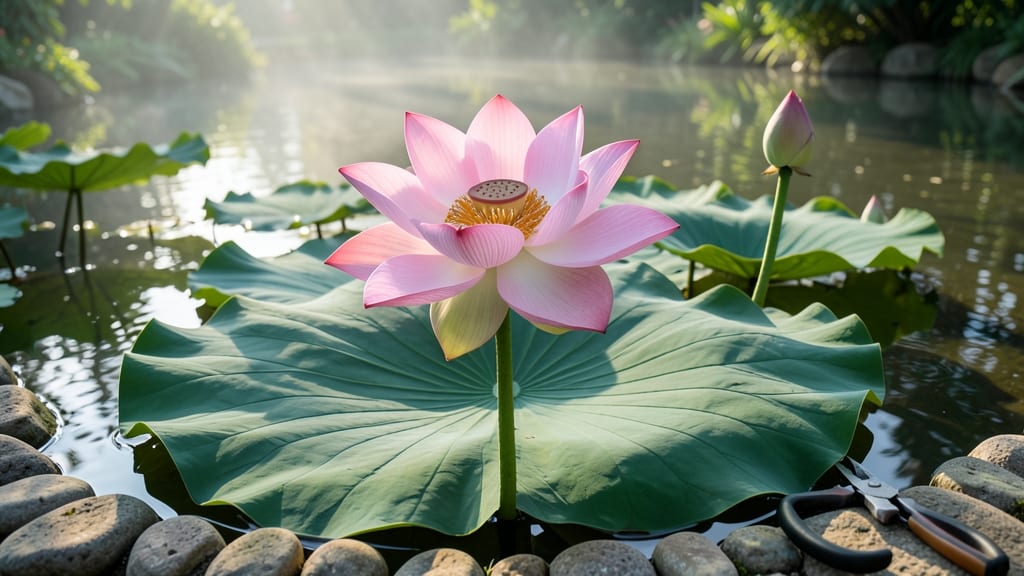
The beautiful lotus flower isn’t just a bloom—it’s a living symbol of purity and rebirth rising from muddy depths, and my first pond garden transformed when I added these velvety pink varieties, their petals unfurling like nature’s own silk. 🌿 The secret lies in their placement: anchor them near the water’s edge where sunlight kisses the surface, and watch how they become the centerpiece of any water feature.
You’ll need a sunny pond (at least 18 inches deep), nutrient-rich soil for planting, and a few companion plants like water lilies or irises to frame their drama.
The magic happens in late spring when the first buds break the surface—imagine jewel-toned blooms floating above rippling water, their scent lingering in the air like a whisper of summer. Even small spaces can accommodate them with container ponds or half-barrel setups.
Pair them with smooth river stones, bamboo accents, or lanterns for an Asian-inspired retreat, or keep it minimal with driftwood and pebbles for modern elegance. The lotus thrives alongside fragrant water mint or cattails, creating layers of texture and movement.
By midsummer, your garden will feel like a serene sanctuary—one where every visitor pauses to admire the quiet power of nature’s most sacred bloom.
Perfect for meditation gardens, wedding venues, or simply adding drama to your backyard. The key is patience—these beauties take time to establish, but once they do, they reward you with years of effortless splendor. Ready to make your pond the talk of the neighborhood?
📚 In This Guide
- What you need
- Instructions
- Tips and common mistakes
- Wrapping up and next steps
What you need
- ● Lotus tubers or rhizomes: 1–3 per plant (depending on desired size; choose Nelumbo nucifera for classic pink/white blooms or Nelumbo lutea for golden-yellow varieties).
- ● Pond or container: At least 18" deep (lotus roots need space to spread!). Use a pre-formed pond liner or a large, sturdy pot (20+ gallons) with drainage holes.
- ● Pond substrate: 3–6 inches of gravel, sand, or aquatic soil (for root stability and nutrient retention).
- ● Water source: Freshwater (chlorine-free; use a dechlorinator if tap water is used). Aim for 2–3 feet of water depth for mature plants.
- ○ Floating pond plants (optional but recommended): Water hyacinth, water lilies, or duckweed to create a natural ecosystem and reduce algae.
- ● Garden trowel or transplanting spade (for planting rhizomes).
- ● Gloves (to protect hands from sharp pond edges or rhizome debris).
- ○ Water testing kit (optional but helpful to monitor pH, 6.0–7.5 ideal, and nutrient levels).
- ● Pond net or skimmer (to keep debris away from leaves).
- ● Sunlight access: Full sun (6+ hours daily) for vibrant blooms.
How to create a sacred lotus pond garden
This serene aquatic display transforms any backyard into a tranquil sanctuary.
🪴 Step 1: Design and Prepare the Pond Structure
Start by selecting a sunny, shallow location—lotuses thrive in 5-7 inches of water with full sun exposure. I recommend a preformed pond liner (24-36 inches deep) for easy installation, or dig a circular basin with gently sloping sides. The edges should be 12-18 inches wide to accommodate mature plants and provide easy access for maintenance.
Line the basin with pond underlayment to protect the liner from rocks and roots. Smooth out wrinkles completely—any sharp edges will puncture the liner over time. For a 4-foot diameter pond, use a 24-inch deep liner to allow room for both submerged and floating plants. Place the liner before adding water to prevent air pockets that could tear it during filling.
💧 Step 2: Install Water Filtration and Circulation
Lotus plants benefit from gentle water movement that prevents stagnation and algae growth. Install a submersible pond pump (rated for 100-200 gallons per hour) near the deepest point. Connect it to a UV clarifier to break down algae before water re-enters the pond—this keeps your lotus leaves pristine and reduces maintenance.
Position the pump's outflow nozzle to create soft ripples across the water's surface. Avoid strong currents that could damage delicate lotus stems. Test the setup by filling the pond to 6 inches below the rim—this allows room for water expansion in hot weather. Add 1 quart of beneficial bacteria to establish a healthy microbial balance before introducing plants.
☀️ Step 3: Plant Lotus Tubers and Companion Species
For a 4-plant lotus display, use 4 dormant lotus tubers (varieties like 'Mauritius' or 'Champagne' work beautifully). Plant them in 6 inches of water using pond planting baskets filled with aquatic planting soil. Space tubers 18-24 inches apart—this gives mature plants room to spread their striking blooms without overcrowding.
Add floating plants like water hyacinth or water lettuce around the edges to provide shade for fish and reduce evaporation. These companions also create a natural, layered look that enhances the sacred garden aesthetic. Avoid deep-rooted species that could compete with your lotuses for nutrients.
✂️ Step 4: Maintain Water Quality and Plant Health
Check water levels weekly during summer—evaporation can drop levels 2-3 inches per month. Top off with dechlorinated water (let tap water sit for 24 hours or use a water conditioner). Test pH monthly; lotuses prefer 6.0-7.5. If pH drifts too high, add pond acidifier in small doses.
Trim spent blooms just above the first set of leaves to encourage continuous flowering. In late fall, when foliage yellows, reduce water levels to 3-4 inches and leave tubers in place—they'll overwinter naturally in most climates. Apply a light layer of mulch around the pond edges to insulate roots during cold snaps.
🌱 Step 5: Enhance the Sacred Garden Aesthetic
Surround the pond with native aquatic plants like cattails or sweet flag for texture contrast. Add smooth river stones along the edges to create a natural transition to the lawn. I like to incorporate solar-powered uplighting (submerged LED lights) to highlight blooms at night—this transforms the space into an evening focal point.
For a truly sacred feel, include small stepping stones arranged in a circular pattern around the pond's perimeter. Plant fragrant herbs like lavender or mint nearby to attract pollinators and create a multisensory experience. The combination of lotus blooms, gentle water movement, and aromatic plants creates a peaceful retreat that feels like a hidden temple.
Tips & tricks for perfect sacred lotus pond gardens
Between us, creating a stunning lotus garden isn't just about planting—it's about crafting a thriving ecosystem. Here's what nobody tells you about making your lotus sanctuary truly exceptional.
Location is Everything: That sunny, shallow spot you chose in Step 1? Double-check it gets at least 6-8 hours of direct sunlight daily. Morning sun is ideal—it warms the water gradually without creating algae hotspots. I've seen lotuses struggle in afternoon-only sun, so orient your pond to capture those golden morning rays. The 5-7 inches of water depth mentioned is perfect for tuber establishment, but deeper areas (up to 12 inches) let roots spread more freely for larger blooms.
Pump Placement Matters: When installing your 100-200 GPH pump in Step 2, position it slightly off-center to create natural water flow patterns. The soft ripples should flow toward one side of the pond, then gently curve back—this mimics natural water movement and prevents dead zones where algae might accumulate. I've found that placing the outflow nozzle just below the water's surface creates the most visually pleasing ripple effect while protecting delicate stems.
Winter Prep Secret: Before reducing water levels to 3-4 inches in fall (Step 4), add a 1-inch layer of pond sand over the tubers. This insulates them better than mulch alone and prevents temperature fluctuations that can shock dormant roots. I've had lotuses survive winters with temperatures dropping to 20°F using this method—just make sure your pond has no standing water left after winter to prevent rot.
Lighting for Maximum Impact: The solar-powered uplighting mentioned in Step 5? Use warm white LEDs (2700K-3000K) to create that sacred glow. Place lights at 12-inch intervals around the pond's perimeter, angling them slightly upward to highlight blooms without creating harsh shadows. I've seen gardeners use blue-tinted lights for contrast, but warm tones better complement the lotus's natural colors and create a more inviting ambiance at night.
Pro Tips for Beautiful Lotus Flower
- Between us, creating a stunning lotus garden isn't just about planting—it's about crafting a thriving ecosystem.
- Location is Everything: That sunny, shallow spot you chose in Step 1?
- Pump Placement Matters: When installing your 100-200 GPH pump in Step 2, position it slightly off-center to create natural water flow patterns.
Frequently asked questions
Got questions about growing, caring for, or appreciating the stunning beautiful lotus flower? Here are answers to the most common inquiries to help you cultivate confidence in your lotus garden!
How long does it take for a lotus flower to bloom after planting?
A lotus flower typically takes 60–90 days to bloom after planting, depending on the variety and growing conditions. Hardy lotuses (like Nelumbo nucifera) may bloom sooner, while tropical varieties can take longer. Patience is key—think of it as nature’s slow-motion masterpiece!
Do lotus flowers need full sun, and how much water do they require?
Lotus flowers thrive in 6–8 hours of direct sunlight daily. As for water, they’re aquatic divas—plant them in at least 2–3 feet of water (deeper for tropical lotuses). Over time, their roots will anchor naturally, and they’ll even prefer slightly murky water to stay healthy.
Can I grow lotus flowers in a small pond or container?
Yes, but with a twist! A minimum 18-inch diameter container works for small ponds, and ensure it has drainage holes. For containers, use a water-tight bucket with a mesh liner to mimic natural soil conditions. Just avoid overcrowding—give each plant 12–18 inches of space to stretch their roots and bloom beautifully.
Are lotus flowers toxic to pets or wildlife?
Generally, lotus flowers are non-toxic to pets and wildlife, but their roots and seeds contain small amounts of alkaloids that may cause mild stomach upset if ingested in large quantities. Monitor curious pets (like cats or dogs) around your pond, and keep an eye on local wildlife—deer and birds adore them!
How do I protect lotus flowers in winter?
Hardy lotuses (like Nelumbo lutea) can survive mild winters, but tropical varieties need extra love. In freezing temps (below 20°F/-7°C), trim dead foliage and cover the pond with floating insulation (like bubble wrap). For container lotuses, move them to a deep, unfrozen part of the pond or store them in a cool, damp environment.
Wrapping up and next steps
The beautiful lotus flower isn’t just a symbol of purity and resilience—it’s a living work of art that transforms any pond or garden into a serene sanctuary.
Whether you’re drawn to its spiritual significance, striking beauty, or the joy of nurturing it, growing lotuses is a rewarding journey that connects you to nature’s timeless elegance. 🌸
Ready to dive in? Start small—choose your favorite variety, gather your supplies, and let the magic unfold. Before you know it, your pond will be blooming with floating elegance, and you’ll be sharing your newfound passion with friends, family, or even the world! 🌊✨