
Shrubs
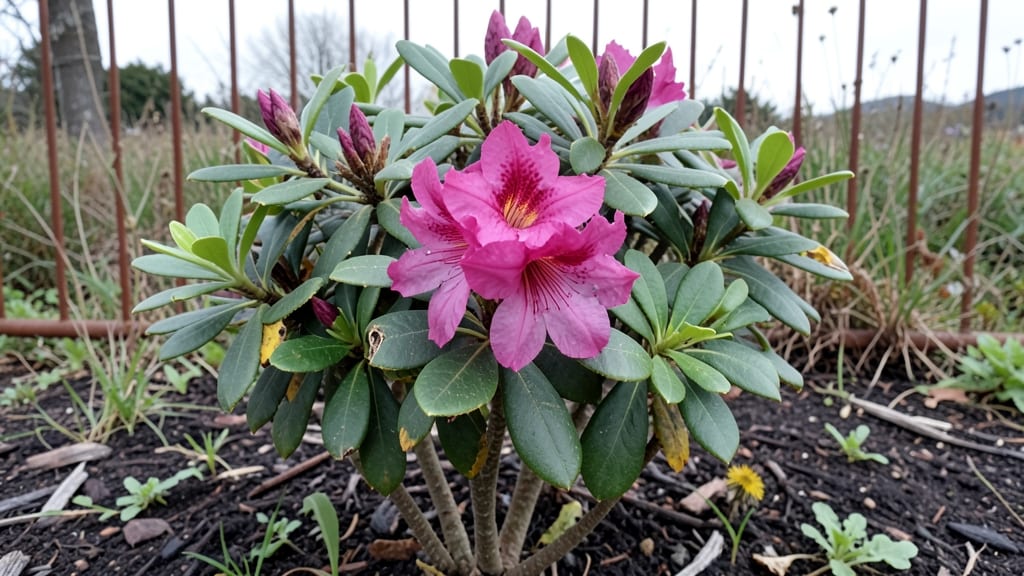
After years of battling soggy soil and stunted growth, I finally coaxed my azalea flowering shrub into a glorious display of Pacific Northwest blooms that stretch from spring to summer. The key isn’t just picking the right shrub; it’s matching it to your yard’s microclimate and soil quirks.
My favorite varieties now thrive where others gave up, and the secret lies in acidic, well-draining soil and strategic winter protection.
You’ll need part shade (morning sun, afternoon shade) to prevent scorched blooms, a pH test kit (aim for 4.5–6.0), and mulch to shield roots from winter freeze-thaw cycles. Watering’s the trickiest part—too much drowns roots, too little stresses the plant.
I’ve found drip irrigation set to 1–1.5 inches per week keeps them happy without the guesswork. The payoff? Shrubs that burst into color by late April and stay vibrant until frost.
Pruning after blooms fade (June–July) keeps them bushy and encourages next year’s flowers. My biggest mistake? Trimming too late—now I mark the calendar. For vibrant blooms, feed with acid-loving fertilizer in early spring, and watch for lace bugs (those tiny pests that turn leaves white).
Once you get the rhythm, these shrubs become the showstopper of your garden.
Works for urban yards, rain gardens, or woodland edges—just adjust mulch depth for your climate. The PNW’s damp winters actually help azaleas, but winter protection (burlap wraps or evergreen boughs) saves them from harsh freezes. Let’s get yours thriving!
📚 In This Guide
- What you need
- Instructions
- Tips and common mistakes
- Wrapping up and next steps
What you need
- ● Azalea plants: Choose Rhododendron varieties like 'Gable', 'Cascade', or 'Tundra'—all cold-hardy (Zones 5-8). Quantity: 3-5 plants for a small hedge or 10+ for a full border.
- ● Well-draining soil: Mix 50% peat moss or pine bark with 50% native soil (avoid clay-heavy soil). pH: 4.5–6.0 (test with a soil pH kit).
- ● Organic mulch: 3–4 inches of pine needles, cedar chips, or bark to retain moisture and acidity.
- ● Slow-release fertilizer: 10-10-10 or azalea-specific formula (apply in early spring and late summer).
- ● Garden trowel (for planting and soil amendments)
- ● Pruning shears (sterilized with rubbing alcohol)
- ● Garden hose or watering can (with a rain nozzle for gentle watering)
- ● Gloves (gardening or nitrile for chemical protection)
- ● Measuring tape (to space plants 3–6 feet apart, depending on variety)
- ● Soil acidifier (e.g., sulfur or aluminum sulfate) if your soil tests too alkaline.
- ● Drip irrigation system for consistent moisture (azaleas hate soggy roots!).
- ● Frost cloth (for young plants in Zone 5 during late frosts).
- ● Azalea food (liquid or granular, high in iron and magnesium).
How to establish Pacific Northwest frost-resistant azaleas for reliable blooms
Here's my battle-tested approach for growing hardy azaleas that thrive in the PNW's damp, cool climate.
🌱 Step 1: Select and Prepare the Planting Site
Choose a location with morning sun and afternoon shade—azaleas need protection from hot afternoon rays but still require bright light for flowering. The Pacific Northwest's mild summers make this ideal. Test your soil pH using the provided kit—azaleas demand acidic soil between 4.5 and 6.0. If your soil tests higher, amend with 2 pounds of sulfur per 100 square feet and mix it into the top 12 inches of soil 2-3 months before planting.
Dig a hole twice as wide as the root ball but only as deep as the container's height. This prevents burying the plant too deeply, which can cause root rot. Gently loosen the roots if they're circling in the container—this encourages outward growth. I always water the root ball thoroughly before planting to reduce transplant shock.
🪴 Step 2: Plant with Acidic Soil Mix and Mulch
Backfill the hole with a 50/50 mix of native soil and peat moss—this maintains the critical acidity while providing good drainage. As you fill, tap the soil gently to remove air pockets but don't compact it. The top of the root ball should sit 1 inch below the surrounding soil level—this allows for future settling.
Spread 3 inches of pine bark mulch over the planting area, keeping it 6 inches away from the stem. The mulch retains moisture, suppresses weeds, and slowly acidifies the soil as it breaks down. Water deeply after planting to settle the soil and remove any air gaps around the roots. You'll know it's properly settled when water stops beading on the surface after 10 minutes.
☀️ Step 3: Establish Watering and Light Routines
Water newly planted azaleas twice weekly for the first month, providing 1 gallon per plant each time. After establishment, maintain 1 inch of water per week, either from rainfall or supplemental watering. Check soil moisture by inserting your finger 2 inches deep—water when it feels dry but not bone-dry. Overwatering is the fastest way to kill azaleas in the PNW's damp climate.
Fertilize in early spring with 1/2 cup of acid-loving plant fertilizer spread around the drip line. Avoid high-nitrogen fertilizers—they promote leafy growth at the expense of flowers. I've found that azaleas in the PNW respond best to slow-release, acidic fertilizers applied in early spring and again after blooming. Watch for new growth in 4-6 weeks—this confirms the plant is establishing properly.
✂️ Step 4: Prune for Shape and Encourage Future Blooms
Prune azaleas immediately after flowering, when buds for next year's blooms are already forming. Remove no more than 1/3 of the plant's growth in any season to avoid stress. Focus on shaping the plant by cutting back leggy stems to an outward-facing bud. I always use clean, sharp pruners to make cuts just above a leaf node—this prevents tearing and promotes faster healing.
Deadhead spent blooms by cutting the stem back to the first set of healthy leaves. This redirects the plant's energy toward next year's flowers rather than seed production. In the PNW, where winters are mild but damp, avoid heavy pruning in fall—this can stimulate new growth that won't harden off before winter.
Tips & tricks for Pacific Northwest frost-resistant azaleas
Real talk: The PNW's damp climate can make or break your azaleas. Here's how to give your plants the best shot at thriving blooms year after year.
Soil Prep Secret: When amending your soil with sulfur for that critical 4.5-6.0 pH range, mix it into the top 12 inches of soil 2-3 months before planting—this gives the sulfur time to fully acidify the soil. I've seen gardeners rush this step and end up with uneven pH levels that stress the roots. Test your soil again just before planting to confirm the pH is in range. The right soil chemistry makes all the difference in the PNW's naturally alkaline conditions.
Root Ball Prep: Before planting, give your azalea's root ball a thorough soaking—this reduces transplant shock by ensuring the roots are hydrated when they go into the ground. I like to do this 24 hours before planting so the water has time to penetrate fully. When you plant, the root ball should feel moist but not soggy. This step is especially important in the PNW's damp climate where roots can easily become waterlogged.
Mulch Placement: That 3 inches of pine bark mulch should stay 6 inches away from the stem to prevent rot. I've learned this the hard way—mulch piled against the trunk creates a moist environment that invites fungal diseases. The mulch's job is to protect the soil, not smother the plant. After spreading, give it a gentle rake to create a smooth surface that encourages even water distribution.
Watering Wisdom: The 10-minute settling test after planting is non-negotiable. This ensures there are no air pockets around the roots that could lead to poor establishment. In the PNW's rainy climate, you might be tempted to skip watering, but newly planted azaleas need consistent moisture to root properly. Use a rain gauge to track your 1 inch per week target—this helps prevent both underwatering and overwatering, which are equal threats to your azaleas.
Pro Tips for Azalea Flowering Shrub
- Real talk: The PNW's damp climate can make or break your azaleas.
- Soil Prep Secret: When amending your soil with sulfur for that critical 4.5-6.0 pH range, mix it into the top 12 inches of soil 2-3 months before planting—this gives the sulfur time to fully acidify the soil.
- Root Ball Prep: Before planting, give your azalea's root ball a thorough soaking—this reduces transplant shock by ensuring the roots are hydrated when they go into the ground.
Frequently asked questions
Got questions about growing azaleas in the Pacific Northwest?
You’re not alone! Here are answers to the most common questions about these stunning flowering shrubs—from timing to troubleshooting.
When is the best time to plant azaleas in the PNW?
Plant azaleas in early fall or late spring (April–May) for best results. This gives roots time to establish before summer heat or winter frost. Avoid planting in extreme heat or cold—root shock is a real risk!
Why aren’t my azaleas blooming?
Azaleas need full sun to partial shade (4–6 hours of sunlight daily) and acidic soil (pH 4.5–6.0). Over-fertilizing (especially with high-phosphorus feeds) can also stunt blooms. Prune after flowering to encourage next year’s buds. Pro tip: Test your soil—lime or alkaline soil? That’s likely the culprit!
Are PNW azaleas truly frost-resistant?
Most frost-resistant varieties (like ‘Gable Pink’ or ‘Coral Bells’) tolerate 10–20°F without issues. However, new growth can still suffer in hard freezes (<10°F). Mulch heavily in winter and avoid late-season pruning—it exposes tender stems to cold.
What’s a good alternative if azaleas struggle in my yard?
Try rhododendrons (closer cousins with similar care) or pieris japonica (andromeda). For low-maintenance options, camellias or viburnums thrive in PNW shade. Just ensure they share azaleas’ love for acidic, well-draining soil!
How do I keep pests like lacewings or spider mites off my azaleas?
Prevent pests with regular watering (drought stress attracts mites) and neem oil sprays early in the season. Remove affected leaves promptly. For lacewings, avoid broad-spectrum insecticides—they’re natural predators! Pro tip: Ladybugs love azaleas too—invite them with a small water dish nearby.
Wrapping up and next steps
Growing azalea flowering shrubs in the Pacific Northwest is a rewarding journey—especially when you choose frost-resistant varieties tailored to your climate! 🌸 With the right soil, sunlight, and care, these vibrant shrubs will thrive and bring bursts of color to your garden for years.
Whether you're a beginner or a seasoned gardener, the key is patience and consistency.
Ready to transform your outdoor space? Start by selecting your favorite variety from our guide, then grab your gardening tools and get planting! Your blooming oasis awaits—happy growing! 🌿